
















electricity outages in Nigeria
Electricity outages in Nigeria have once again taken center stage as authorities officially announced widespread power supply disruptions affecting Bauchi, Adamawa, and at least five other states across the country.
The announcement has sparked growing concern among residents, businesses, and civil society groups who continue to bear the brunt of Nigeria’s persistent energy challenges.
Millions of Nigerians in the affected regions woke up to darkened homes and shuttered businesses as the grid failures deepened across multiple zones.
What Happened: Authorities Announce Electricity Outages Across Multiple States
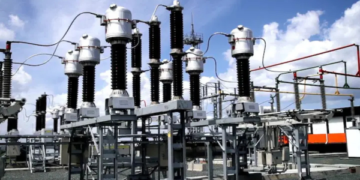
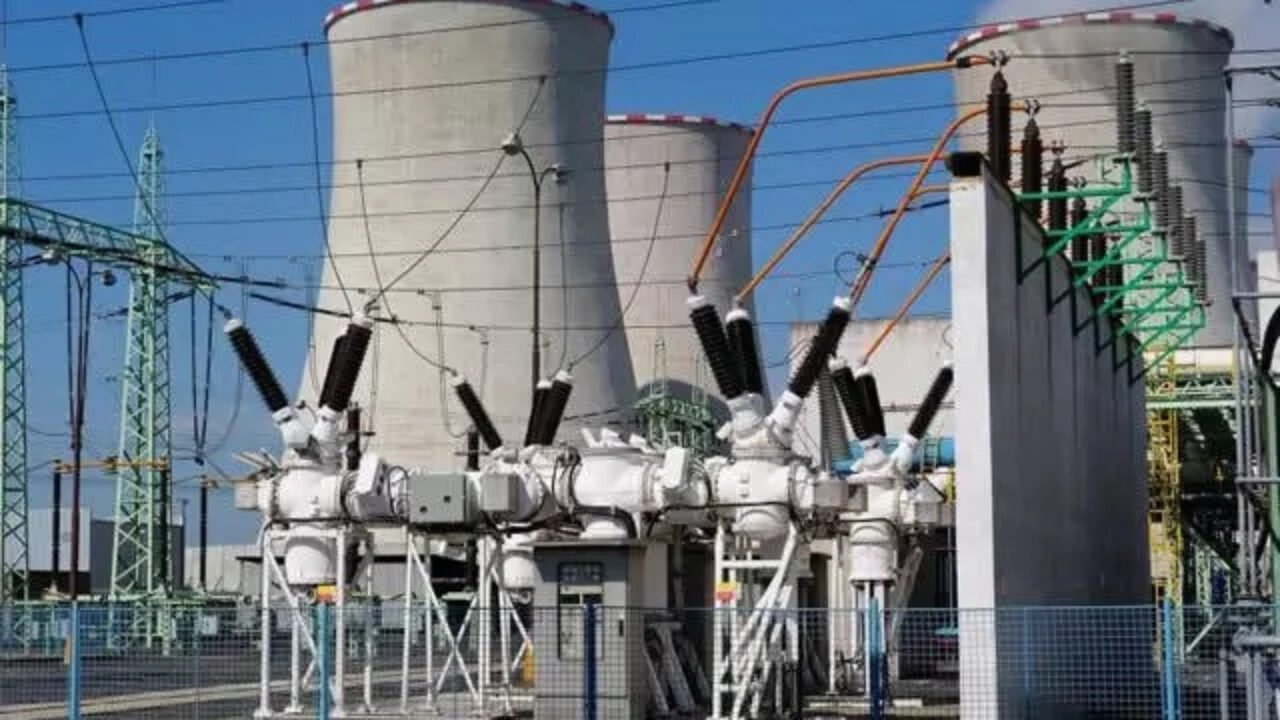
According to official reports, the electricity outages in Nigeria were triggered by significant disruptions along key transmission corridors managed by the Transmission Company of Nigeria (TCN).
Bauchi and Adamawa states were among the first regions confirmed to be affected, with the Nigerian Electricity Regulatory Commission (NERC) and related authorities subsequently releasing a list of five additional states experiencing gridrelated blackouts.
The disruption is believed to stem from a combination of factors including equipment failures, vandalism of transmission infrastructure, and the ongoing challenges of maintaining a stable national grid.
Power supply to several distribution companies (DisCos) serving the affected states was severely curtailed, leaving both urban and rural communities without electricity for extended periods.
The affected states, according to the official list released by authorities, include Bauchi, Adamawa, and five others spread across the North East and other geopolitical zones of the country.
Residents in these areas reported that the electricity outages in Nigeria began without prior warning in many cases, catching households, hospitals, schools, and small businesses completely off guard.
Casualties and Economic Damage From the Power Disruptions
While no direct human casualties have been confirmed as a direct result of this latest round of electricity outages in Nigeria, the economic and social damage is reported to be significant.
Small and medium-sized enterprises (SMEs) in the affected states have raised alarms over spoiled goods, halted production lines, and mounting losses from reliance on expensive diesel-powered generators.
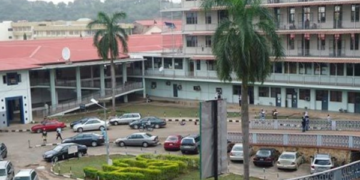
Hospitals and health facilities in Bauchi and Adamawa reportedly activated emergency
backup systems to continue delivering critical care to patients.
However, health workers warned that prolonged outages could compromise cold chain storage for vaccines and
essential medicines a recurring and dangerous consequence of the electricity outages in Nigeria that policymakers have yet to comprehensively address.
Agricultural processors and food vendors in the affected communities also reported significant losses, with refrigeration failures causing perishable goods to spoil within hours of the outages beginning.
Eyewitness Accounts and Public Reaction
Residents across the affected states took to social media platforms and local radio stations to express frustration and demand answers from utility providers and government officials.
Many described the situation as a continuation of a long standing failure by Nigerian authorities to guarantee stable electricity supply to citizens.
“We have been in darkness since the early hours of the morning.
No one has told us when power will be restored,” one resident in Bauchi State told a local correspondent.
“These electricity outages in Nigeria are becoming too frequent and too long.
We cannot continue like this.”
Business owners echoed similar sentiments, with market traders in Adamawa State noting that the recurring blackouts are making it nearly impossible to plan or sustain any meaningful economic activity without heavily investing in alternative power sources a luxury many Nigerians simply cannot afford.
Authorities’ Response and Investigation Into the Grid Failure
Following the public outcry, officials from the TCN and relevant regulatory bodies issued statements acknowledging the electricity outages in Nigeria and promising swift restoration of power to the affected states.
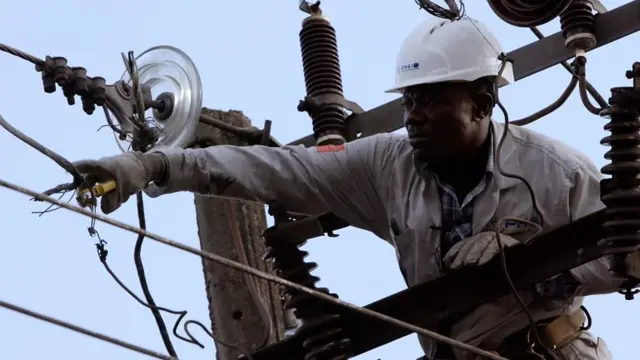
Engineers and technical teams were reportedly deployed to the affected transmission stations to identify
and repair faults along the grid.
The Nigerian Electricity Regulatory Commission (NERC) also indicated that an investigation into the root causes of the outages had been initiated.
Authorities urged residents to remain patient while restoration efforts were underway, though no
specific timeline was given for when full power supply would be reinstated across all seven affected states.
The Ministry of Power has also been briefed on the situation, and sources within the ministry suggest that emergency protocols have been activated to fast track repairs and minimize the duration of the disruptions.
Broader Safety and Infrastructure Concerns
The latest episode of electricity outages in Nigeria has reignited a broader national conversation about the state of the country’s power infrastructure.
Nigeria’s electricity grid has long been described by energy experts as one of the most fragile in Africa, with installed generating capacity far exceeding what the transmission and distribution networks can reliably carry.
Analysts point out that unless Nigeria undertakes comprehensive investment in transmission infrastructure, grid modernization, and anti vandalism security, episodes of widespread electricity outages in Nigeria will continue to recur, undermining economic growth, public health, and the overall quality of life for millions of citizens.
Rights groups and civil society organizations have also renewed calls for greater accountability from electricity sector stakeholders, demanding that DisCos and government agencies provide clearer, more timely communication to affected communities whenever outages occur.
Conclusion: The Road Ahead for Nigeria’s Power Sector
The official announcement of electricity outages in Nigeria affecting Bauchi, Adamawa, and five other states is yet another stark reminder of the urgent reforms needed within the country’s power sector.
While authorities have moved to restore supply and investigate the grid failures, the underlying structural weaknesses that make such disruptions inevitable remain largely unresolved.
As Nigeria continues to grapple with its energy challenges, stakeholders across government, the private sector, and civil society must work together to implement long term, sustainable solutions.
For the millions of Nigerians currently sitting in darkness across seven states, that work cannot begin soon enough.