






















Nigerian fuel depot owners brace for petrol price hikes
Nigerian fuel depot owners brace for petrol price hikes as the international oil market faces one of its most volatile moments in recent years.
With Brent crude prices creeping dangerously close to the $100 per barrel threshold and tensions escalating around the Strait of Hormuz, petroleum depot operators across Nigeria are sounding the alarm warning that pump prices could surge significantly in the days and weeks ahead.
For millions of Nigerians already struggling under the weight of inflation and a weakened naira, this development carries serious economic consequences.
What Is Driving the Crisis: Brent Crude Surge and the Hormuz Flashpoint
The current pressure on global fuel markets stems from a convergence of geopolitical and economic forces.
The Strait of Hormuz a critical chokepoint through which approximately 20% of the world’s oil supply passes has become a flashpoint for international tension.
Disruptions or threats in this corridor have historically triggered sharp spikes in crude oil prices, and the current crisis is proving no different.
Brent crude, the global benchmark for oil pricing, has surged toward the $100 per barrel mark, a level not consistently seen since the post pandemic demand boom.
For Nigeria, a country that imports refined petroleum products despite being a major crude oil producer, the timing could not be worse.
Nigerian fuel depot owners brace for petrol price hikes precisely because the cost of importing refined fuel rises in direct proportion to global crude prices.
Industry analysts warn that if Brent crude breaches and sustains the $100 mark, the downstream petroleum sector in Nigeria will face an almost immediate cost push effect.
Depot owners who purchase fuel in dollars will see their naira denominated costs balloon costs that will ultimately be passed on to consumers at the pump.
Nigerian Fuel Depot Owners Brace for Petrol Price Hikes: What the Marketers Are Saying
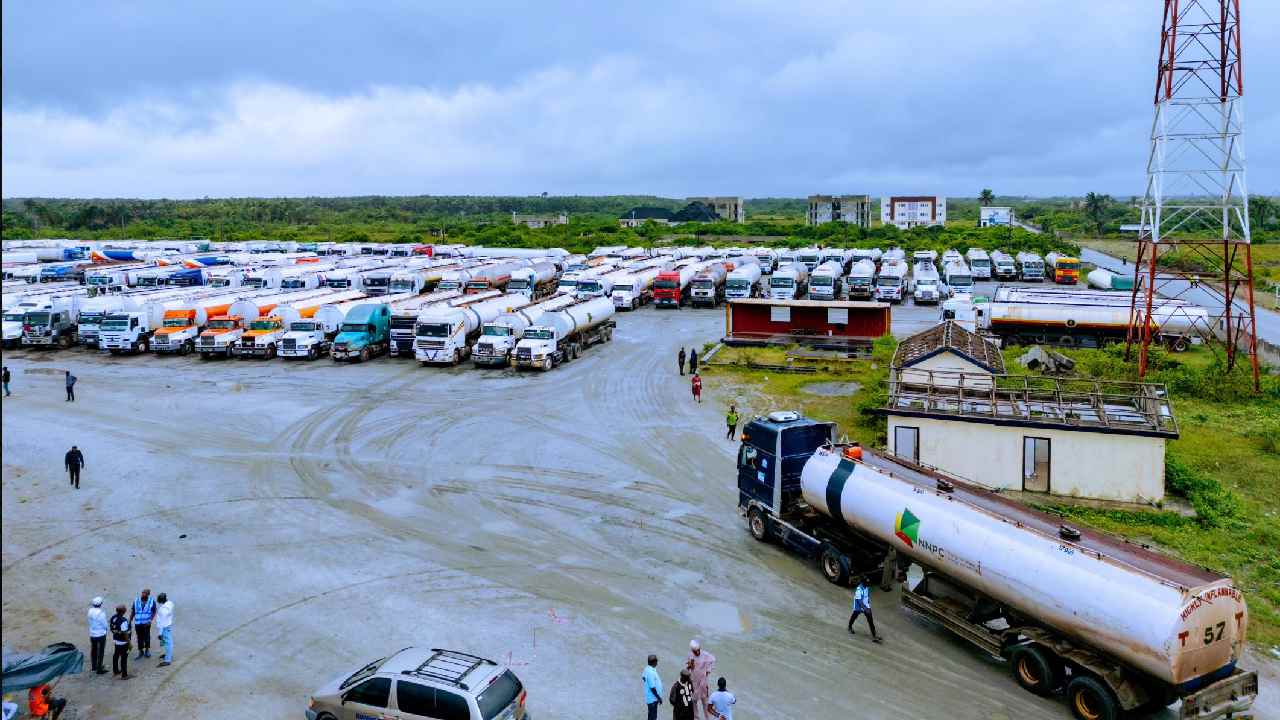
Petroleum marketers and fuel depot operators in Nigeria have begun speaking out publicly about the pressure building within the supply chain.
According to reports from Legit.ng, depot owners are already factoring in higher landing costs as they negotiate new shipment contracts.
Many are warning that the current retail price of petrol which has already risen sharply since the removal of the fuel subsidy may no longer be sustainable if global crude continues to climb.
“We are watching the market very carefully,” one depot operator was quoted as saying.
“Every time Brent crude goes up by $5, our cost per litre increases.
We cannot absorb that indefinitely.
” This sentiment is widely shared across the industry, as Nigerian fuel depot owners brace for petrol price hikes that could ripple through the entire economy.
The Nigerian downstream oil sector operates in a deregulated environment following the removal of the controversial fuel subsidy by the Tinubu administration in 2023
.While deregulation was designed to create market efficiency, it also means that global price shocks are transmitted directly and rapidly to local consumers with little buffer remaining.
Casualties and Damage to Consumer Purchasing Power
The economic impact of rising petrol prices in Nigeria cannot be overstated.
Fuel is not merely a transport commodity in Nigeria it is the lifeblood of small businesses, generators powering homes and offices, and agricultural logistics.
When pump prices rise, the cost of food, goods, and services follows almost immediately.
Low and middle income Nigerians, who spend a disproportionate share of their income on transportation and energy, stand to be the hardest hit.
Economists have cautioned that another significant jump in petrol prices could push Nigeria’s headline inflation even higher, eroding purchasing power at a time when the naira has already lost substantial value against the dollar.
As Nigerian fuel depot owners brace for petrol price hikes, civil society groups and consumer rights advocates are urging the federal government to take proactive steps to shield ordinary Nigerians from the full brunt of the global price shock.
Eyewitness Accounts and Public Reaction
At fuel depots and petrol stations across Lagos, Abuja, Port Harcourt, and other major cities, the mood is one of cautious anxiety.
Motorists who spoke to reporters expressed frustration and resignation, with many recalling how quickly prices jumped following previous crude oil surges.
“I just filled my tank today because I heard prices might go up again,” said one Lagos resident at a filling station on the mainland. ”
We don’t have a choice we need fuel to survive.”
Transport workers and commercial drivers echoed similar fears, with many indicating they would be forced to increase fares if depot prices rise.
Within the petroleum marketing community, the tone is measured but serious.
Depot owners and independent marketers are not panicking, but they are clearly preparing.
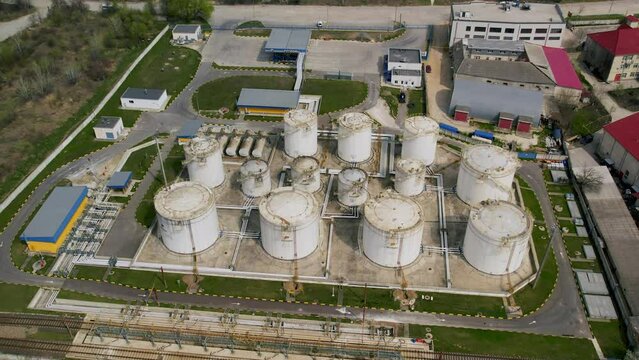
Industry insiders say that several depot owners have already begun stockpiling fuel at current prices a hedging strategy that, while rational for individual businesses, could contribute to supply tensions if practiced widely.
Government and Regulatory Response
As of the time of reporting, the Nigerian Midstream and Downstream Petroleum Regulatory Authority (NMDPRA) and the Nigerian National Petroleum Company Limited (NNPCL) had not issued formal statements specifically addressing the Hormuz crisis and its potential impact on local prices.
However, government officials have consistently maintained that Nigeria’s deregulated fuel market is designed to respond organically to global price signals.
The NNPCL, which remains a dominant player in fuel importation, is expected to adjust its pricing templates in response to the changing crude oil environment.
Critics, however, argue that the government needs to do more than allow market forces to operate particularly when millions of vulnerable Nigerians lack adequate social safety nets to absorb the shock.
Energy policy experts are calling on the government to accelerate domestic refining capacity, particularly through the Dangote Refinery, which has the potential to insulate Nigeria from global crude price volatility by processing locally sourced crude into refined products for domestic consumption.
Broader Safety Concerns for Nigeria’s Energy Sector
Beyond the immediate price implications, the Hormuz crisis raises deeper structural questions about Nigeria’s energy security.
The country’s heavy dependence on imported refined petroleum despite sitting atop vast crude oil reserve has long been identified as a critical vulnerability.
As Nigerian fuel depot owners brace for petrol price hikes, energy analysts are renewing calls for urgent investment in domestic refining infrastructure, diversification of energy sources, and stronger foreign exchange management to cushion the naira against import cost pressures.
The crisis also underscores the urgency of accelerating the Petroleum Industry Act (PIA) implementation to attract investment into the downstream sector.
Without structural reforms, Nigeria will remain exposed to precisely the kind of external shocks currently being triggered by the Hormuz crisis with ordinary citizens paying the heaviest price each time global markets turn volatile.
Conclusion: A Critical Moment for Nigeria’s Fuel Market
The convergence of rising Brent crude prices and geopolitical instability around the Strait of Hormuz has placed Nigeria’s fuel market at a critical juncture.
As Nigerian fuel depot owners brace for petrol price hikes, the pressure is mounting on government regulators, petroleum marketers, and policymakers to act swiftly and decisively.
Whether through emergency market interventions, accelerated domestic refining, or targeted consumer support programmes, Nigeria must find ways to shield its most vulnerable citizens from the full impact of this global energy crisis.
The coming weeks will be decisive and all eyes are on both the global oil markets and Abuja’s response.