





















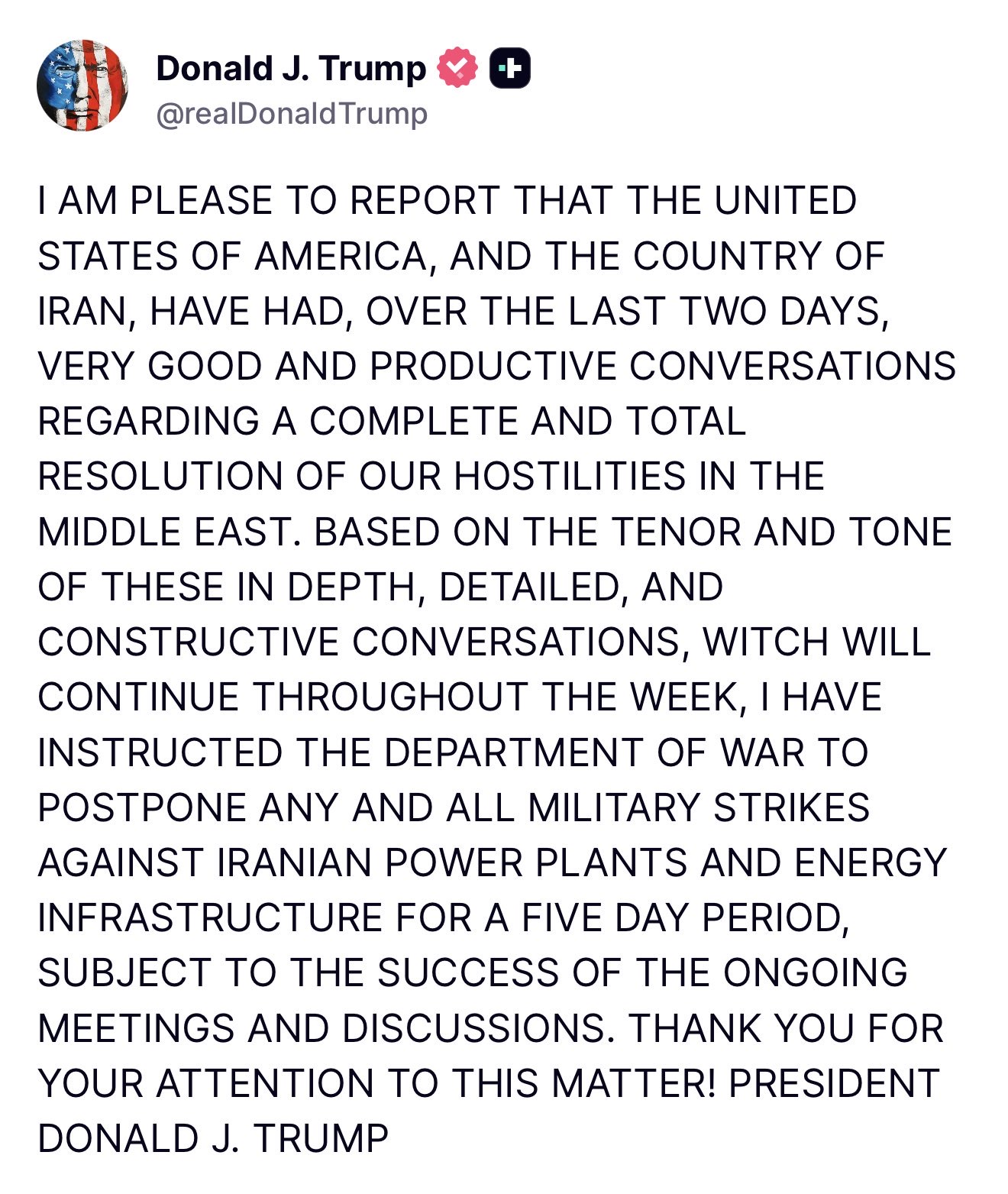
Trump postpones airstrikes on Iranian power plants, a move that has introduced a fresh layer of uncertainty into an already tense international situation. The development is attracting global attention because any shift involving military action, especially in a volatile region, can have consequences far beyond the countries directly involved.
The reported decision to delay the strikes for five days comes at a moment when expectations of escalation had been building. Instead of immediate action, the pause now places focus on what may be unfolding behind the scenes and whether the delay could influence the direction of the broader standoff.
What Happened as Trump Postpones Airstrikes
Reports indicate that Trump postpones airstrikes that had been expected to target Iranian power plants, choosing instead to delay the operation for a limited period. The decision has quickly become a major international talking point because of the potential scale of its consequences.
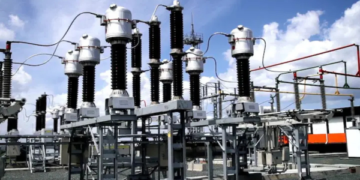
Military strikes on energy or power infrastructure are often seen as highly sensitive because they can affect civilian life, economic stability and wider regional security. That is part of why the latest move is being watched so closely by governments, analysts and international observers.
The five-day delay has also sparked speculation over whether diplomatic channels, intelligence assessments or strategic reconsiderations may have influenced the timing.
Why the Delay Matters
The fact that Trump postpones airstrikes rather than moving ahead immediately changes the atmosphere around the crisis. In moments of high geopolitical tension, even a short delay can open space for negotiation, recalculation or further pressure from international actors seeking to prevent direct conflict.
At the same time, a postponement does not necessarily mean the threat of military action has disappeared. It may simply shift the timeline while keeping all options on the table. That uncertainty is part of what makes the situation especially tense.
Global Reaction and Strategic Questions
As Trump postpones airstrikes, attention is likely to turn to both Washington and Tehran, as well as to other global powers that may be trying to influence the next phase of events. Allies, markets and diplomatic missions often react quickly when military action appears possible, especially in a region with major implications for energy and security.
The delay may also prompt closer scrutiny of the strategic calculations behind the move. Observers will likely ask whether this was a tactical pause, a diplomatic window or a sign of internal debate over the risks of escalation.
Broader Tension Beyond the Immediate Decision
The fact that Trump postpones airstrikes does not erase the deeper tensions surrounding the standoff. Instead, it highlights how fragile the situation remains. A temporary delay may calm fears briefly, but it can also heighten suspense if the underlying conflict remains unresolved.
For more on international diplomacy and conflict prevention, readers can visit the United Nations.
Conclusion
That Trump postpones airstrikes on Iranian power plants has changed the immediate tone of the crisis, but not the seriousness of it. With the situation still highly sensitive, the coming days may prove critical in determining whether the pause leads to de-escalation or merely delays a more dangerous turn.