




















Nigeria public debt soars
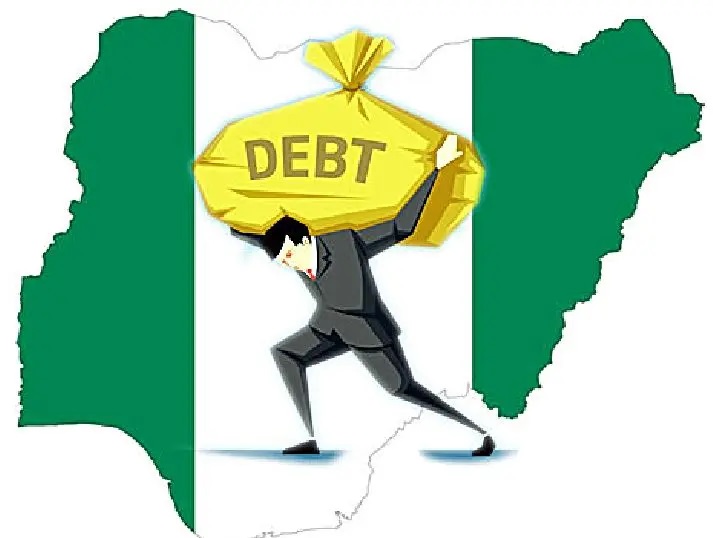
Nigeria public debt soars to an unprecedented ₦159.28 trillion, according to the latest figures released by the Debt Management Office (DMO), sending shockwaves through economic and financial circles across the country.
The new data reveals that Nigeria’s total public debt stock has ballooned dramatically, with every single Nigerian including newborns now carrying an individual debt burden of approximately ₦66,250
As President Bola Tinubu’s administration continues its economic reform agenda, critics and analysts are raising urgent questions about the country’s long term fiscal sustainability and the weight this growing debt places on ordinary Nigerians.
What the Latest DMO Report Reveals About Nigeria’s Debt Crisis
The Debt Management Office’s most recent report confirms that Nigeria public debt soars to ₦159.28 trillion as of the latest reporting period, marking a significant increase from previous figures.
This total encompasses both domestic and external debt obligations owed by the Federal Government and state governments across the country.
To put this figure into perspective, Nigeria’s estimated population of over 220 million people means that the debt per capita now stands at approximately ₦66,250 per person.
This means every man, woman, and child in Nigeria statistically owes this amount a figure that underscores
the sheer scale of the country’s growing debt obligations.
The domestic debt component of the total figure accounts for a substantial portion of the overall burden, with the Federal Government relying heavily on Treasury Bills,
FGN Bonds, and Sukuk instruments to finance its budget deficits.
External debt, on the other hand, includes borrowings from multilateral institutions such as the
World Bank, the International Monetary Fund (IMF), the African Development Bank (AfDB), and bilateral creditors including China and other foreign governments.
How Nigeria Public Debt Soars Under the Tinubu Administration
Since President Tinubu assumed office in May 2023, Nigeria public debt soars have continued to accelerate, driven largely by increased government spending, subsidy removal fallout, currency devaluation, and revenue shortfalls.
The removal of the petrol subsidy while designed to free up fiscal space simultaneously triggered inflationary pressures that have forced the government to borrow more to meet basic obligations including salaries, infrastructure, and social interventions.
Economic analysts note that the naira’s significant devaluation has also worsened the debt picture in local currency terms
. As the naira weakens against the dollar, Nigeria’s external debt originally denominated in foreign currencies becomes far more expensive to service when converted to naira.
This dual pressure of growing nominal debt and currency depreciation has contributed significantly to the alarming speed at which Nigeria public debt soars in naira terms.
The Federal Government’s fiscal deficit has remained persistently wide, with revenue collection continuing to fall short of targets.
Despite efforts by the Federal Inland Revenue Service (FIRS) and the Nigerian Customs Service to boost revenue generation, Nigeria’s tax-to-GDP ratio remains one of the lowest in sub Saharan Africa, forcing continued reliance on debt financing to bridge the gap between income and expenditure.

Debt Servicing: Nigeria’s Most Pressing Financial Challenge
Perhaps more alarming than the headline debt figure itself is Nigeria’s debt servicing burden.
Reports indicate that Nigeria spends a disproportionately high percentage of its revenue in some months exceeding 90 to 100 percent on servicing existing debt alone.
This leaves little room for capital investment in education, healthcare, infrastructure, and social welfare programs that millions of Nigerians desperately need.
As Nigeria public debt soars to new record levels, the debt service to revenue ratio has become one of the most closely watched indicators among international investors and credit rating agencies.
Fitch Ratings and Moody’s have both previously flagged Nigeria’s debt sustainability as a key concern, and the latest DMO figures are likely to intensify that scrutiny.
Expert Reactions and Public Outcry
Financial experts and economists across Nigeria have responded to the latest debt figures with a mixture of alarm and resignation.
Many argue that while borrowing itself is not inherently problematic, the pace and purpose of Nigeria’s borrowing raises serious red flags.
“The fundamental issue is not just that Nigeria public debt soars, but that a significant portion of this borrowing is being used to fund recurrent expenditure rather than productive, revenue generating investments,” said one Lagos based economist who spoke to financial media outlets.
“When you borrow to pay salaries and service existing debt, you are essentially digging a deeper hole.”
On social media, the revelation that each Nigerian now owes ₦66,250 sparked widespread outrage, with many citizens expressing frustration that government borrowing decisions are made without meaningful public consultation or accountability.
The hashtag related to Nigeria’s debt crisis trended across multiple platforms as Nigerians debated the economic implications of the rising figures.
Government’s Position on the Rising Debt
The Tinubu administration has defended its borrowing strategy, arguing that strategic investment in infrastructure and economic reforms will ultimately generate the growth needed to manage and reduce the debt burden over time.
Government spokespersons have pointed to ongoing rail projects, road construction, and the Renewed Hope Agenda as evidence that borrowed funds are being channeled into productive use.
The Minister of Finance and the DMO have also emphasized that Nigeria’s debt-to-GDP ratio, while rising, remains within internationally acceptable thresholds on a percentage basis although critics argue that this metric is misleading given Nigeria’s extremely low revenue base relative to its GDP.
The fact that Nigeria public debt soars even as GDP growth remains sluggish suggests that the debt burden is becoming increasingly difficult to sustain without structural economic transformation.
Broader Concerns: What Does This Mean for Ordinary Nigerians?
For the average Nigerian already grappling with record inflation, rising food prices, unemployment, and a weakened naira, the news that
Nigeria public debt soars to ₦159.28 trillion translates into very real and tangible consequences. A higher debt burden typically means:
- Higher taxes in the future as the government seeks to increase revenue to service debt
- Reduced public spending on essential services like healthcare and education
- Currency pressure as foreign debt repayments demand more dollars, weakening the naira further
- Slower economic growth as debt servicing crowds out productive investment
- Reduced investor confidence if debt sustainability concerns continue to mount
These downstream effects make the rising debt figures not merely a macroeconomic statistic, but a deeply personal challenge for millions of Nigerians across every socioeconomic level.
Looking Ahead: Can Nigeria Reverse the Debt Trajectory?
Reversing the trend in which Nigeria public debt soars will require a combination of bold structural reforms, aggressive revenue mobilization, and a disciplined approach to expenditure management.
Experts recommend that the government prioritize:
- Expanding the tax base by bringing more businesses and individuals into the formal tax net
- Diversifying the economy away from oil dependency to create more stable revenue streams
- Improving the efficiency and transparency of public spending to eliminate waste and corruption
- Pursuing concessional loans with favorable terms rather than expensive commercial borrowing
- Implementing a credible medium term debt management strategy with clear targets
Nigeria has navigated debt crises before most notably in 2005 when the country secured a landmark debt relief deal with the Paris Club under then Finance Minister
Ngozi Okonjo Iweala.
However, analysts warn that the current situation requires equally decisive and politically courageous leadership to prevent the debt trajectory from becoming irreversible.
Conclusion: A Critical Moment for Nigeria’s Fiscal Future
The fact that Nigeria public debt soars to ₦159.28 trillion with each citizen carrying a per capita debt of ₦66,250 represents a defining moment for the country’s economic future.
While the Tinubu administration maintains that its reform agenda will eventually yield dividends, the numbers demand urgent, transparent, and accountable fiscal management.
Nigeria cannot afford to treat these debt figures as abstract statistics.
Behind every trillion naira owed is a real cost paid by real Nigerians in the form of underfunded hospitals, crumbling schools, poor infrastructure, and lost economic opportunity.
The time for decisive action is now, before the weight of debt makes meaningful reform exponentially harder to achieve.