





















female hijabite refused entry JAMB hall
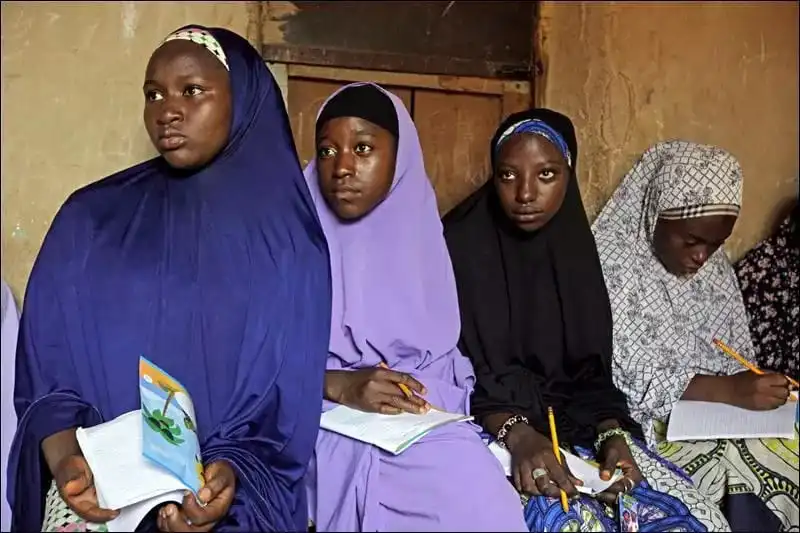
A controversial incident has emerged from Nigeria’s education sector after a female hijabite refused entry into JAMB hall for wearing a veil during an examination.
The occurrence has sparked intense debate across the country, raising critical questions about religious freedom, examination security protocols, and the rights of Muslim students in educational settings.
The Joint Admissions and Matriculation Board (JAMB) examination is a crucial gateway for thousands of Nigerian students seeking admission into tertiary institutions.
However, this recent incident has brought to light the ongoing tension between maintaining examination integrity and respecting religious practices.
What Happened During the JAMB Examination
According to reports, the female hijabite refused entry into JAMB hall incident occurred when examination officials prevented a female Muslim candidate from entering the examination venue while wearing her religious veil. Examination supervisors cited security protocols and identification verification procedures as the primary reasons for the decision.
The candidate, who arrived fully prepared for her examination, was reportedly asked to remove her veil to allow for proper facial identification and verification against her registration documents.
When she declined to remove the religious garment, citing her faith based obligations, she was denied access to the examination hall, effectively preventing her from writing the crucial examination.
This incident is not isolated, as similar cases have been reported across various JAMB centers throughout Nigeria, suggesting a systematic implementation of policies that may conflict with religious practices.
Details of the Examination Center Incident
Eyewitnesses at the examination center reported that the female hijabite refused entry into JAMB hall remained calm despite the distressing situation.
She reportedly attempted to explain that she could be identified by female officials in a private setting, a compromise that has been accepted in similar situations in other countries and institutions.
However, examination officials maintained their position, insisting that the established protocols must be followed without exception.
The standoff lasted several minutes, during which other candidates entered the hall and began their examinations, while the hijab-wearing student remained outside, unable to participate in the examination she had prepared for.
The incident has raised questions about whether adequate provisions were communicated to Muslim female candidates before the examination date, and whether alternative verification procedures could have been implemented to accommodate religious practices while maintaining security standards.
Public Reaction and Social Media Response
News of the female hijabite refused entry into JAMB hall spread rapidly across social media platforms, generating passionate responses from various segments of Nigerian society.
Many Muslims expressed outrage at what they perceived as discrimination and a violation of constitutional rights to religious freedom.
Human rights organizations and Muslim advocacy groups quickly condemned the incident, calling for immediate policy reviews and demanding that JAMB implement examination protocols that respect religious diversity while maintaining security standards.
Conversely, some security experts and education stakeholders defended the examination body’s position, arguing that standardized identification procedures are essential to prevent examination malpractice, impersonation, and other forms of fraud that have plagued the Nigerian educational system.
JAMB’s Official Response and Policy Clarification
Following the widespread controversy surrounding the female hijabite refused entry into JAMB hall, the Joint Admissions and Matriculation Board released statements addressing the incident.
JAMB officials emphasized their commitment to maintaining examination integrity while respecting the diverse religious backgrounds of Nigerian students.
The examination body explained that their security protocols require clear facial identification of all candidates to prevent impersonation and other fraudulent activities.
However, they also indicated a willingness to explore accommodations that balance security concerns with religious sensitivities.
JAMB has previously implemented policies allowing hijab wearing candidates to be verified by female officials in private settings at some examination centers, though the inconsistent application of these accommodations has led to confusion and incidents like this one.

Broader Implications for Religious Rights in Education
The incident where a female hijabite refused entry into JAMB hall reflects broader challenges facing Nigeria’s educational system regarding religious accommodation. Similar controversies have emerged in various institutions, from secondary schools to universities, concerning the wearing of religious garments.
Legal experts have pointed to Nigeria’s Constitution, which guarantees freedom of religion, suggesting that educational institutions have an obligation to make reasonable accommodations for religious practices unless such accommodations would fundamentally compromise legitimate institutional objectives.
The incident has also prompted discussions about the need for clear, nationally standardized policies that provide guidance to examination bodies, schools, and other educational institutions on balancing security requirements with religious freedoms.
Moving Forward: Finding Common Ground
As stakeholders continue to debate the female hijabite refused entry into JAMB hall incident, there are growing calls for dialogue between examination authorities, religious leaders, security experts, and human rights advocates to develop comprehensive policies that protect both examination integrity and religious rights.
Several solutions have been proposed, including the deployment of female examination officials specifically tasked with verifying the identity of hijab wearing candidates in private settings, the use of advanced biometric identification technology that can work with religious garments, and clearer communication of policies to candidates well before examination dates.
This incident serves as a crucial reminder of Nigeria’s religious diversity and the ongoing need to develop inclusive policies that respect all citizens’ constitutional rights while maintaining the integrity of important national institutions and processes.
The resolution of this controversy will likely set important precedents for how educational institutions handle similar situations in the future.