










EFCC arrested Blessing CEO
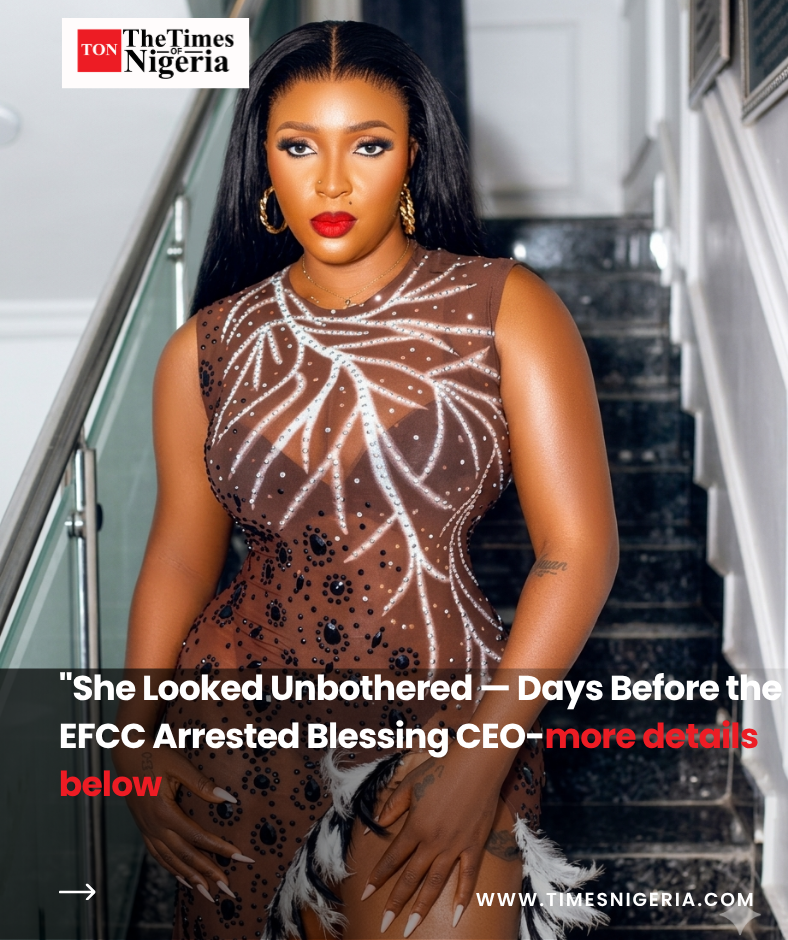
A reliable BBC source has spoken publicly about the circumstances that led to the moment the EFCC arrested Blessing CEO, the popular Nigerian relationship influencer and content creator known for her bold and controversial opinions.
According to the source, Nigeria’s Economic and Financial Crimes Commission did not act arbitrarily the agency responded directly to mounting pressure from everyday Nigerians who had long been calling for an investigation into the social media personality.
The arrest has since sparked massive conversations online and offline across the country.
What the BBC Source Said About Why the EFCC Arrested Blessing CEO
The BBC source, speaking on the matter, made it clear that the decision by the EFCC to arrest Blessing CEO was not a random clampdown on freedom of speech or social media expression.
Rather, the agency was said to have acted on the volume of petitions, complaints, and public outcry from Nigerians who believed that Blessing Okoro widely known as Blessing CEO had engaged in conduct that warranted scrutiny by law enforcement.
The source confirmed that the EFCC arrested Blessing CEO in line with its mandate to investigate economic and financial misconduct, particularly when backed by public demand.
Blessing CEO, whose full name is Blessing Okoro, rose to prominence through her relationship advice content and outspoken personality on social media platforms.
Over time, however, she became a polarizing figure, attracting both devoted followers and fierce critics.
It was this wave of public criticism, reportedly documented in formal complaints, that reportedly prompted the EFCC to take action.

Nigerians React After EFCC Arrested Blessing CEO
The moment news broke that the EFCC arrested Blessing CEO, social media in Nigeria erupted. Reactions were sharply divided.
A significant portion of Nigerians expressed satisfaction, arguing that the arrest was long overdue and that public figures must be held accountable for their actions particularly those who wield large influence over impressionable audiences.
Several commenters pointed out that Nigerians had been calling for this intervention for months, lending credibility to the BBC source’s claim that public pressure played a central role in the EFCC’s decision.
On the other hand, a vocal group of supporters rallied behind Blessing CEO, questioning the basis of the arrest and raising concerns about what they described as the selective targeting of female content creators and influencers in Nigeria.
Some critics of the EFCC’s move argued that the agency should focus its resources on higher-profile financial crimes rather than social media personalities.
Despite the divided reactions, the fact remains that the EFCC arrested Blessing CEO in what the BBC source described as a direct and deliberate response to citizens’ demands a development that signals a shift in how Nigerian authorities may begin to treat complaints involving public figures in the digital space.
EFCC’s Role and Mandate in the Arrest
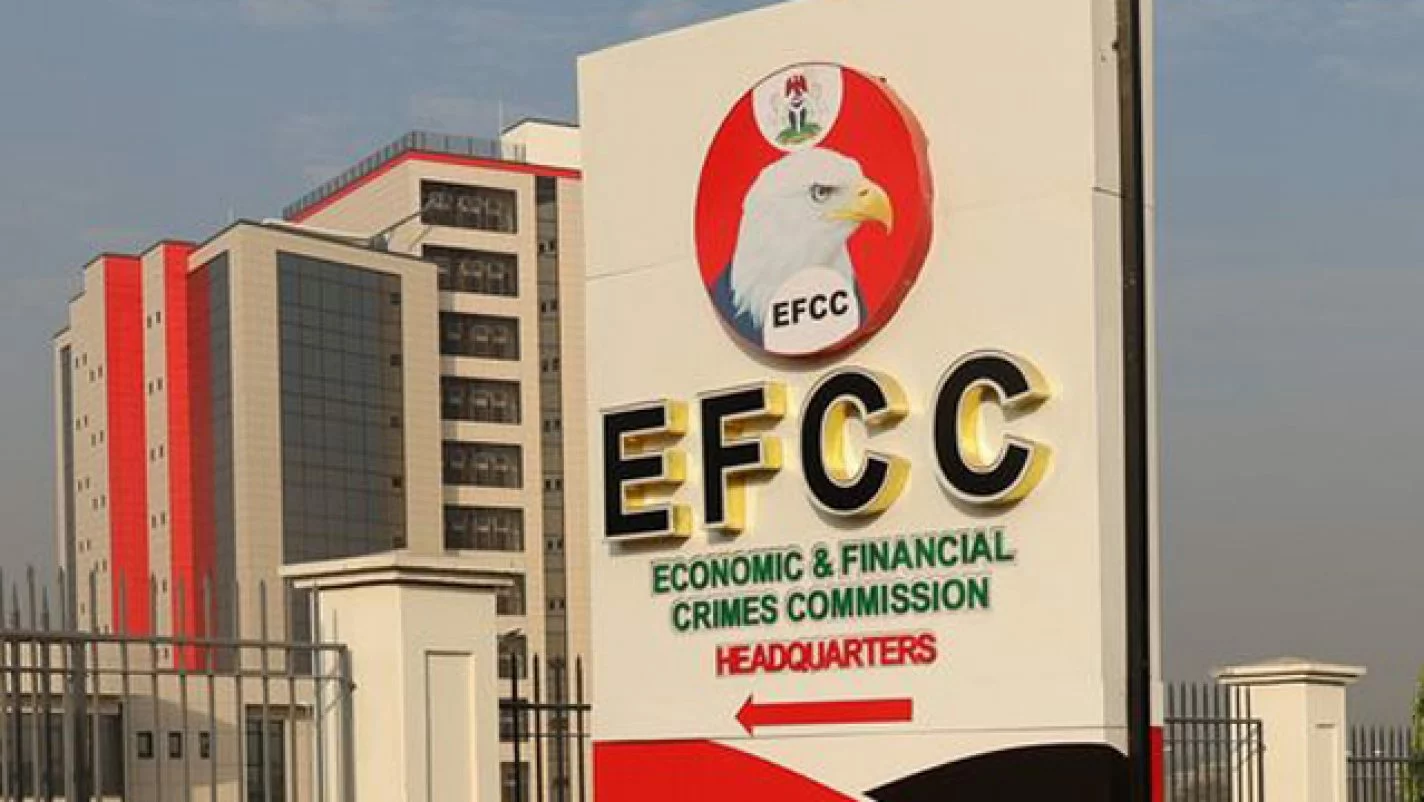
The Economic and Financial Crimes Commission (EFCC) is Nigeria’s foremost anti-corruption and financial crimes agency.
While it is primarily known for prosecuting high profile fraud and money laundering cases, the agency has increasingly turned its attention to social media related financial offences in recent years.
The decision by the EFCC to arrest Blessing CEO fits within a broader pattern of the commission extending its reach into the digital economy, where financial misconduct including alleged fraud, misrepresentation, and cyber related offences has become increasingly common.
It is worth noting that the EFCC has not, at the time of this report, released a comprehensive official statement detailing the specific charges or allegations against Blessing CEO.
However, the BBC source’s disclosure provides the clearest explanation yet of what motivated the agency to act when it did.
Broader Implications for Nigerian Social Media Influencers
The fact that the EFCC arrested Blessing CEO following public petitions raises important questions about the future of social media influencing in Nigeria.
Legal analysts and digital rights advocates are already weighing in, with some warning that this could set a precedent where influencers are vulnerable to arrest based on public sentiment rather than concrete, independently verified evidence of wrongdoing.
Others, however, argue that accountability must apply equally to everyone influencer status notwithstanding. They contend that if Nigerian citizens have legitimate grievances against a public figure and bring those grievances to the appropriate authorities, it is the duty of agencies like the EFCC to investigate.
In that sense, the arrest could be seen as a positive step toward greater accountability in Nigeria’s growing digital economy.
Conclusion
The revelation by a BBC source confirming that the EFCC arrested Blessing CEO in direct response to calls from Nigerians marks a significant moment in the intersection of social media influence and legal accountability in Nigeria.
As the situation continues to develop, all eyes will be on the EFCC to provide full transparency on the charges and legal process ahead.
Nigerians, regardless of which side of the debate they stand on, appear united in one expectation that justice, whatever form it takes, must be fair, transparent, and firmly grounded in the rule of law.