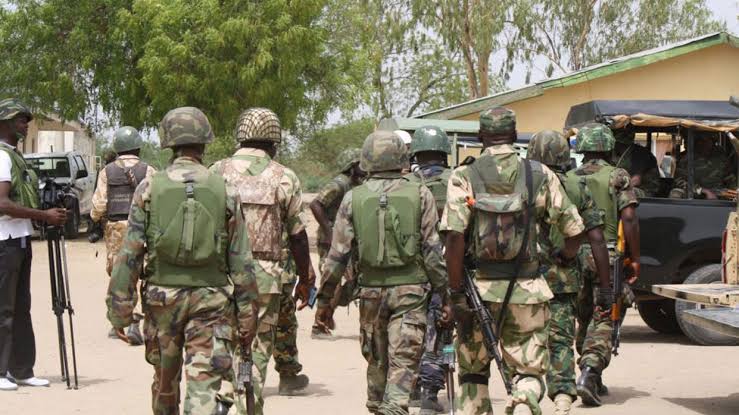
Terrorist Suppliers in Borno: Military Seizes Two Trucks in Fresh Crackdown
The latest move against
terrorist suppliers in Borno has once again drawn attention to the quiet networks that keep insurgency alive behind the scenes. According to a
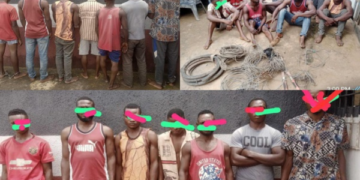
Daily Post report, the military seized two trucks and arrested 16 suspected terrorist suppliers in Borno State. At first glance, it may look like a simple security update. But stories like this often point to something much deeper. Wars are not sustained by fighters alone. They are sustained by food, fuel, tyres, phones, transport routes and the people willing to move those supplies from one point to another.
Why this operation matters
The significance of going after
terrorist suppliers in Borno becomes clearer when placed beside other recent interceptions in the North-East. In a March 25 report,
Vanguard said troops of Operation Hadin Kai apprehended 18 suspected logistics suppliers allegedly travelling toward Gubio and the Gudumbali axis, an area described as a known Boko Haram enclave. Earlier,
BusinessDay reported that troops working with the Civilian Joint Task Force intercepted two pick-up vans moving from Dapchi toward the Magumeri area of Borno. Items allegedly recovered in that operation included spare tyres, spare rims, ignition starters, bicycles, flour, charcoal, yam, clothing, mobile phones and cash.
- What Daily Post reported: two trucks seized and 16 suspected suppliers arrested
- Why it matters: logistics networks keep insurgent activity alive
- Wider pattern: recent Borno operations have repeatedly focused on supply routes
The bigger story behind terrorist suppliers in Borno
This is why the issue of
terrorist suppliers in Borno goes beyond one arrest story. In an advisory on terrorism financing, the
Nigeria Financial Intelligence Unit explained that logistics suppliers can include non-state actors who transport food, drink, fuel, transport services, money transfers and medical support to terrorist groups. That means every intercepted truck or arrested courier may be more important than it first appears. A supply chain is not as dramatic as a firefight, but it can be just as dangerous. Once those channels remain open, armed groups keep moving, feeding, communicating and planning.
Why Nigerians should pay attention
For many readers, the real issue is not just what was seized, but what might have happened if it had not been intercepted. In January 2026,
AP reported that armed extremists killed at least 25 construction workers in Sabon Gari and also attacked a military installation in Borno. Incidents like that make it easier to understand why cutting off supply routes is such a serious part of the fight against insurgency. That is also what gives this story its weight. It is not only about trucks or suspects. It is about the hidden structure behind violence in the North-East the people, goods and movements that allow terror cells to survive longer than they should.
More than a routine arrest story
In the end, this is why the latest report on
terrorist suppliers in Borno deserves attention. Every time security forces cut into one of these support chains, they are not just making arrests. They are striking at the quieter part of the insurgency, the part that does not always make the biggest headline but often makes the violence possible. And that may be the most important part of the story. Some of the most dangerous threats are not always the ones firing the guns. Sometimes, they are the ones making sure the guns, food, fuel and movement never run out.