






















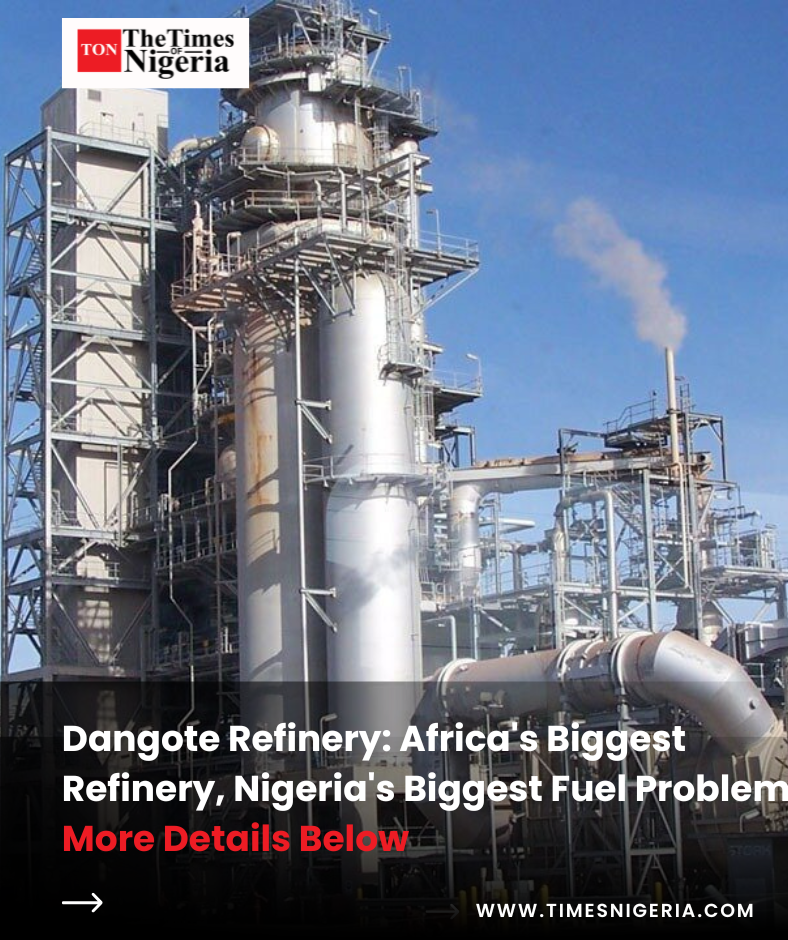
Dangote Refinery crude oil allocation Nigeria
In a blunt address that rattled industry circles, the Dangote Petroleum Refinery’s chief executive exposed
the regulatory and supply chain obstacles quietly inflating fuel prices and urged Abuja to change course
When David Bird, the Managing Director and CEO of the Dangote Petroleum Refinery, stepped before
journalists in Lagos, few expected the candour that followed.
With calm precision, he laid out a picture of a world class refinery strangled not by technology or demand, but by bureaucratic weight and a perverse crude-allocation system that consistently pushes domestic refiners to the back of the queue.
The Weight of 47 Agencies
Bird’s most headline grabbing disclosure was deceptively simple: the Dangote Refinery is required to
comply with and pay fees to no fewer than 47 distinct government agencies.
Customs authorities,port regulators, environmental bodies, safety inspectorates, and a patchwork of others each impose their own levies on refinery operations.
Individually, each charge may appear administrative.
Cumulatively, they amount to a structural tax on local refining that finds its way, inevitably,into the pump price of petrol that every Nigerian pays.
The issue is not merely the cost. It is the friction the compliance burden, the documentation,the delays that each additional agency introduces.
Bird’s argument was that a rationalisation of this regulatory landscape is long overdue, and that simplifying it would be one of the fastest levers government could pull to bring fuel prices down without spending a single naira in subsidy.
“Domestic refineries are being treated as customers of last resort that has to change if Nigeria is serious about energy security.”
Customers of Last Resort
The second and perhaps more structurally damaging problem Bird raised concerns crude oil allocation.
Despite Nigeria being one of Africa’s largest oil producers, the Dangote Refinery consistently finds
itself at the bottom of the allocation priority list.
Each month, the refinery submits formal requests for specific crude grades Bonny Light, Escravos, and others suited to its configuration.
International buyers are served first. What remains is offered to local refiners.
The consequences are concrete. Industry data indicates the refinery requires approximately
13 crude cargo vessels per month to run at meaningful capacity and meet domestic consumption.
It has been receiving closer to five.
To bridge the gap, the refinery is forced to source additional crude through international trading intermediaries who have already priced in their own premium and pay at international market rates, including bearing foreign exchange costs at open market prices.
In other words, Nigeria’s own refinery pays more for Nigerian crude than foreign buyers sometimes do.
A Global Crisis, A Local Lesson
Bird’s remarks arrive at a particularly charged moment for global energy markets.
Geopolitical tensions including the US Iran standoff that temporarily threatened the Strait of Hormuz, through
which an estimated 20–30 percent of global oil supply flows have sent Brent crude surging above $84 per barrel, a rise of over 26 percent within weeks.
The world’s major energy consumers responded by turning inward: China banned exports of gasoline and diesel;
Thailand and Vietnam restricted refined product exports to protect domestic supply.
The lesson was unmistakable when markets tighten, nations protect their own populations first.
Nigeria, Bird argued, has both the asset and the opportunity to do the same.
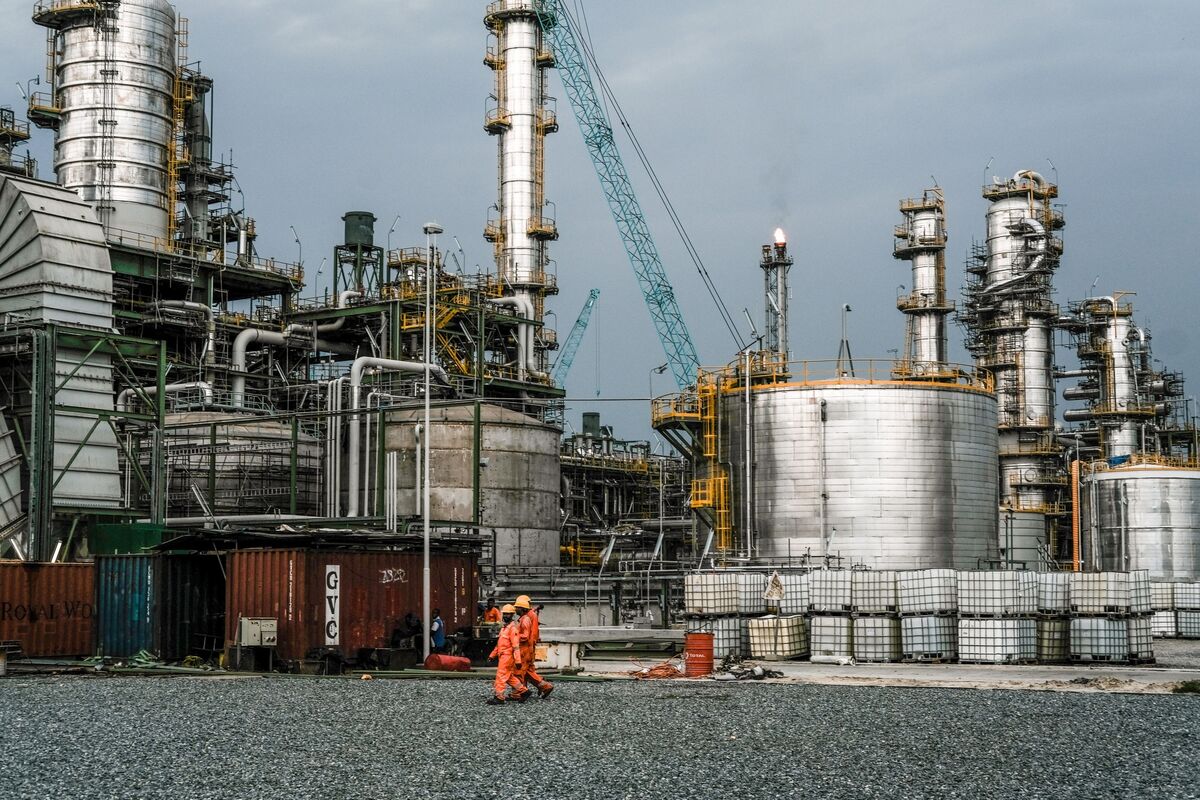
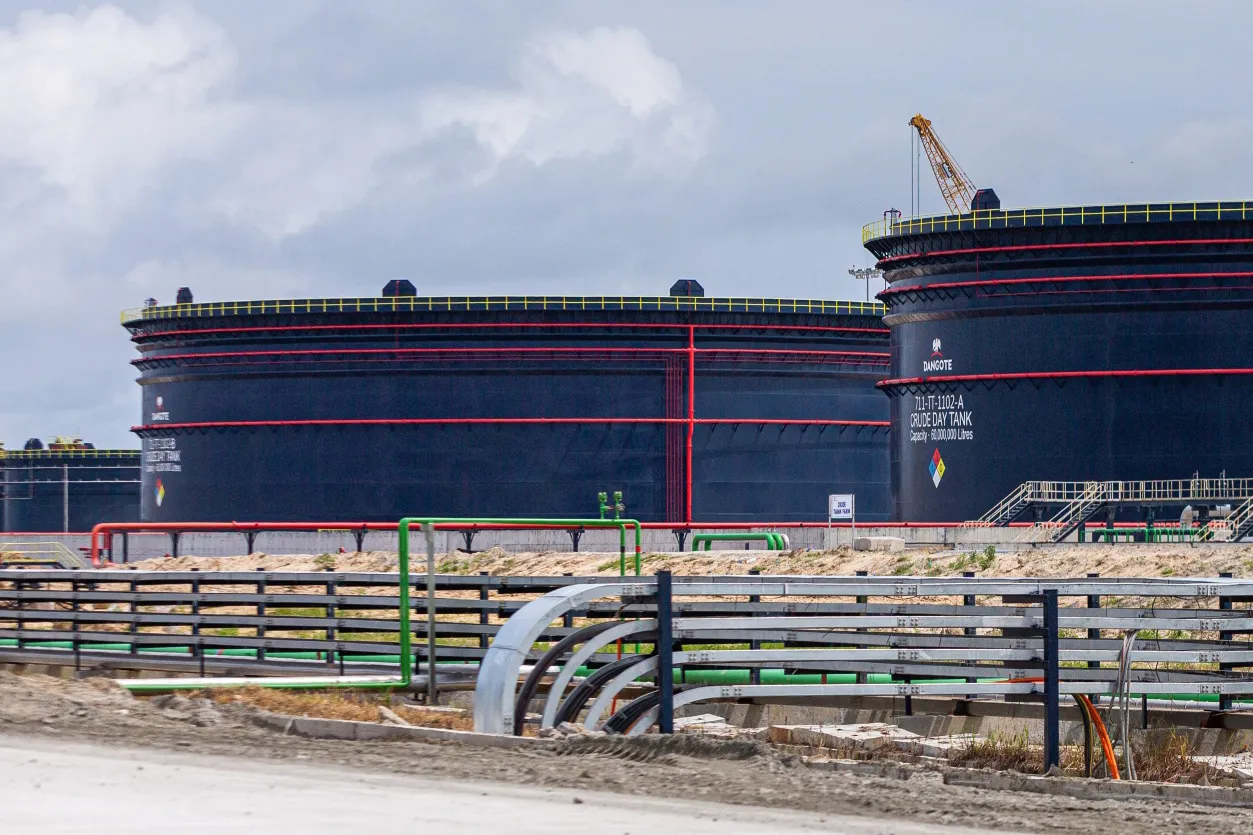
The Dangote Refinery, at 650,000 barrels per day the largest single-train refinery on earth, is purpose-built to insulate
Nigeria from exactly these kinds of shocks.
But it can only do so if it has crude to run.
Notably, despite the global price surge, the refinery raised its ex depot price by only around 12 percent against a crude cost increase exceeding 32 percent absorbing a significant share of the shock on behalf of Nigerian consumers.
The Ask: Prioritise Local Refining
Bird’s prescription was direct.
The Federal Government must restructure Nigeria’s crude allocation framework so that domestic refiners hold first-preference status, not last-resort status.
Obligations under the Petroleum Industry Act that require upstream producers to supply local
refineries must be enforced, not overlooked.
And the tangle of 47 regulatory agencies must be rationalised into a streamlined system that reduces friction without compromising genuine oversight.
The stakes extend well beyond one company’s bottom line.
Stable, affordable fuel is the upstream input to virtually every sector of Nigeria’s economy agriculture, logistics, manufacturing, retail.
When pump prices spike unpredictably, inflation follows.
When the refinery runs below capacity because it cannot secure crude, Nigeria remains dependent on imported refined products, and the naira remains under pressure from fuel import bills.
Every barrel the Dangote Refinery processes locally is one fewer barrel Nigeria has to buy on the international market at international prices.
Conclusion: A Strategic Choice
What Bird’s address ultimately reveals is that Nigeria’s energy challenge is not a capacity problem
the Dangote Refinery represents more than sufficient capacity to transform the country’s fuel landscape.
It is a policy problem, a coordination problem, and, at root, a question of priorities.
Will the government treat domestic refining as a national strategic asset, or continue to leave it
scrambling for scraps after international commitments are fulfilled?
The answer to that question will shape the price every Nigerian pays at the pump and the resilience
of the entire economy for years to come.