























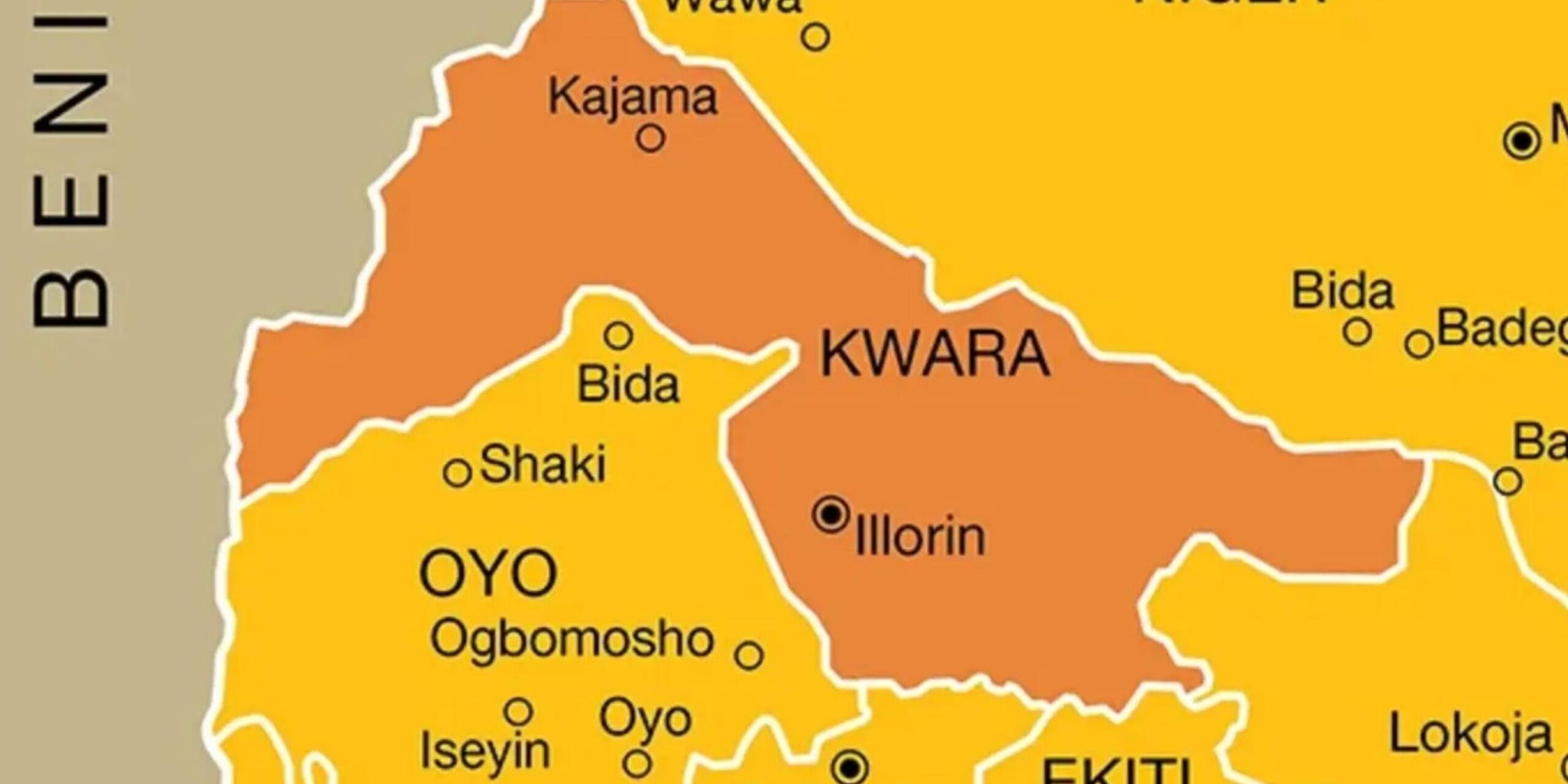
The Moro Bridge collapse on the Ilorin–Igbeti Federal Highway in Asa Local Government Area of Kwara State has thrown vehicular movement into severe disarray, severing a critical transport link connecting Kwara and Oyo states and leaving thousands of commuters, traders, and businesses counting the cost.
The bridge reportedly gave way at approximately 5 a.m. on Thursday under the weight of a heavy-duty truck that was passing over the aged structure. The sudden collapse brought traffic to an immediate standstill along one of the region’s most heavily used federal corridors — a route that serves not only inter-state travellers but also goods heading toward the Benin Republic border.
Motorists caught in the aftermath described scenes of frustration and confusion as vehicles backed up across the highway with no immediate alternative. The disruption cascaded quickly into the commercial sphere, with traders reporting delays in the delivery of goods, sharp increases in transportation fares, and a broader slowdown in economic activity along the route. A businesswoman who identified herself simply as Kafayat captured the mood of many affected commuters when she told reporters that the incident had inflicted real economic pain on ordinary people. “This development has negatively affected economic activities, causing delays and increasing the cost of transportation for commuters and businesses,” she said.
In a swift response, the Kwara State commissioner for Works, Engr. Abdulquawiy Olododo, confirmed the collapse and announced an immediate traffic diversion through a statement released by the ministry. He said the government was working in coordination with federal authorities to manage the situation and minimise disruption to road users. He further disclosed that engineers had been mobilised to commence palliative work on the diversion routes, while traffic managers had been directed to collaborate with transport unions to ensure orderly movement along the available alternatives. He appealed to commuters for patience as efforts to ease congestion continue.
The Moro Bridge, a colonial-era Bailey bridge straddling the boundary between Oko-Olowo/Mandala in Ilorin West and Asa LGA, has been a recurring source of concern for road users, engineers, and transport officials for decades. Despite multiple rounds of rehabilitation over the years, the structure has remained fragile — a product of age, design limitations, and the unrelenting pressure of modern heavy-duty traffic far exceeding its original load-bearing capacity.
As the primary land crossing linking Kwara State’s northern corridor to Oyo State, the bridge sits at the heart of a supply chain that supports commerce, agriculture, and passenger movement across a wide swath of north-central and south-western Nigeria. Every hour it remains out of service translates directly into economic losses, supply chain delays, and hardship for ordinary Nigerians who depend on the route daily.