

























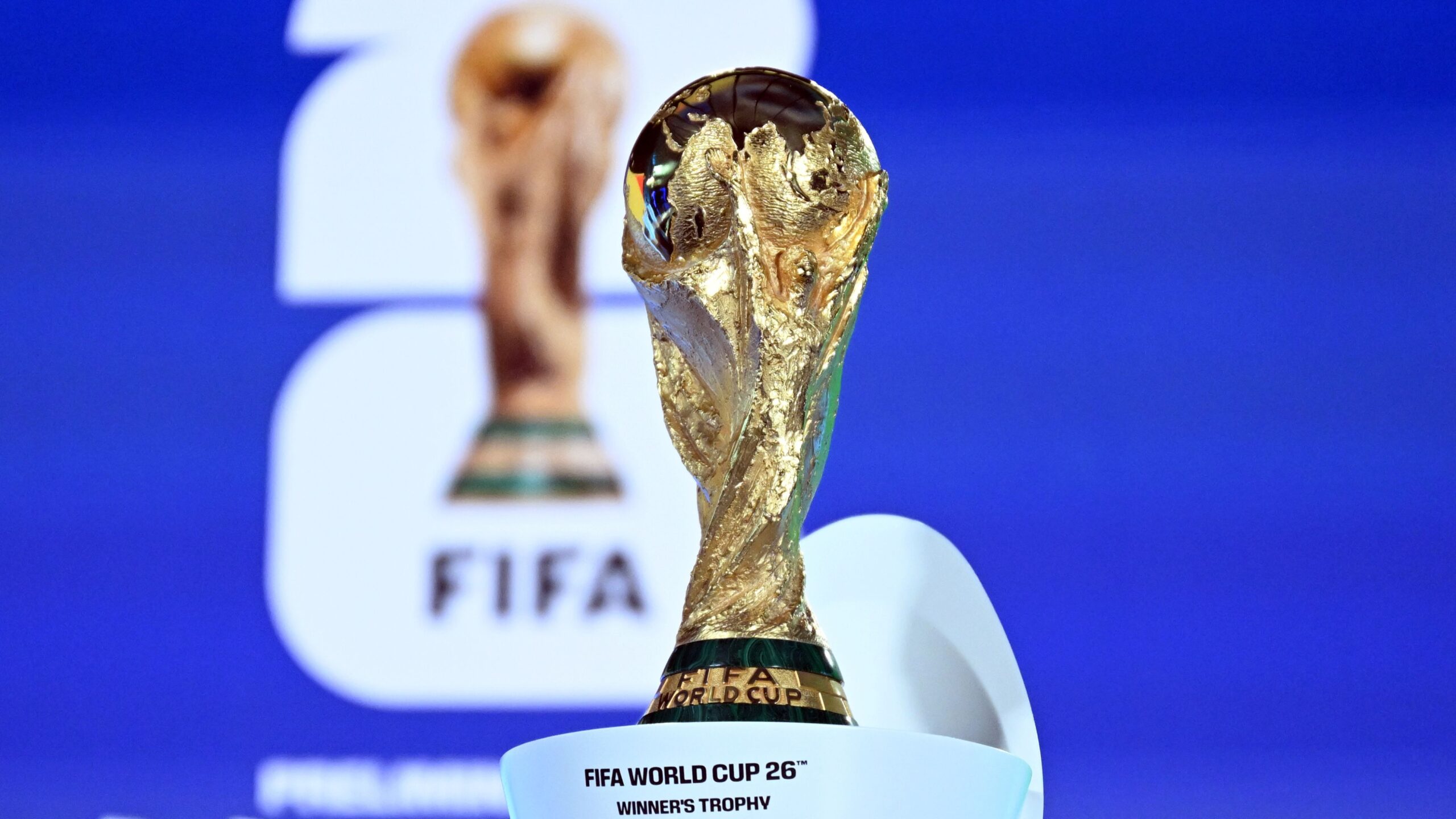
The International Football Association Board (IFAB) and FIFA have approved a comprehensive package of new rules for the 2026 World Cup, aimed at reducing time-wasting, improving match flow, and enhancing fairness.
The 2026 tournament, co-hosted by the United States, Mexico, and Canada, will be the biggest in history with 48 teams. To manage the expanded competition, FIFA has introduced significant rule changes.
The 48 teams will be divided into 12 groups of four. The top two teams from each group and the eight best third-placed teams will advance to a 32-team knockout stage, resulting in a record 104 matches.
Below are confirmed key rule changes for the 2026 edition of the Mundial.
Tiebreakers: To seamlessly manage ties, the tiebrekers will be applied in this order: goal difference, goals scored, head-to-head points, head-to-head goal difference, head-to-head goals scored, fair play points, or drawing of lots.
Throw-in and Goal-kick Countdown: A visible five-second countdown will be introduced. Deliberate delay of a throw-in will result in possession being awarded to the opposition. Delaying a goal-kick can result in a corner kick for the opposing team.
Time-Limited Substitutions: Substituted players have only 10 seconds to leave the field from the nearest point. Failure to comply means the substitute cannot enter for at least one minute, and the team must play with 10 players.
Off-Field Treatment: Players receiving on-pitch medical treatment (except goalkeepers and certain injury cases) must remain off the field for 60 seconds after play restarts.
Covering Mouths: Any player who covers their mouth with hands, arms, or shirt during a confrontational situation with an opponent will receive a straight red card.
VAR Expansions: Video Assistant Referees can now review incorrectly awarded corners (before the restart) and can check decisions involving second yellow cards.
Hydration Breaks: There will be a mandatory three-minute hydration breaks in each half and restrictions on outfield players leaving the pitch for tactical instructions while a goalkeeper is receiving treatment.
These changes form part of FIFA’s broader efforts to make matches faster, more entertaining, and less susceptible to cynical time-wasting tactics that have frustrated fans in past tournaments.
The new rules are expected to significantly reduce stoppage time and increase effective playing time. With the tournament draw approaching and the opening match just weeks away, teams and coaches have already begun adapting to the regulations.
The 2026 World Cup promises to be the most dynamic and fastest-paced edition yet, thanks to these landmark rule changes designed to enhance the spectacle for billions of fans worldwide.