






















Banned items in Nigeria cover a much wider range of goods than most people realize and ignorance of the law is never an excuse. The Federal Government, through the Federal Competition and Consumer Protection Commission (FCCPC), has published a strict list of products that are absolutely prohibited across all 36 states. Whether you are a trader, importer, or everyday consumer, knowing what is on this list could save you from serious legal trouble.
What You Need to Know About Banned Items in Nigeria
The FCCPC operates under the Federal Competition and Consumer Protection Act (FCCPA) 2018, which gives it full authority to prohibit goods that threaten public safety, cultural values, or environmental wellbeing. The banned items in Nigeria fall into three categories general prohibited goods, banned spirits, and prohibited weapons. Violating any of these restrictions carries serious penalties including fines, seizure of goods, and criminal prosecution.
Beyond this list, the federal government also maintains a separate import prohibition list.
Full List of Banned Items in Nigeria
The following 19 items are completely prohibited across Nigeria and cannot
be bought, sold, owned, or traded under any circumstances:
- Air Pistols
- Airmail Photographic Printing Paper
- Counterfeit and Pirated Materials — including fake coins from any country
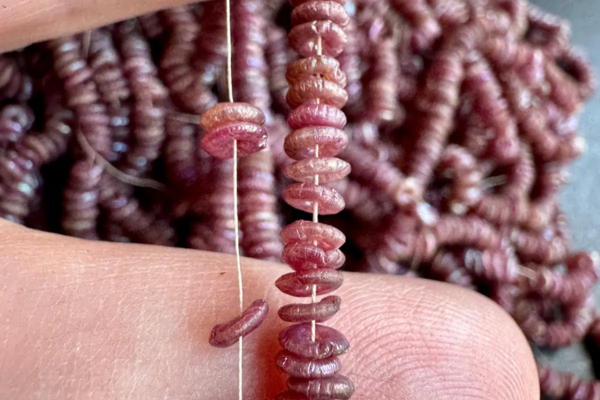
- Inflammable Celluloid Beads — fire and safety hazard
- Blank Invoices — commonly used to facilitate fraud
- Foreign Football Pool Coupons and Betting Arrangements
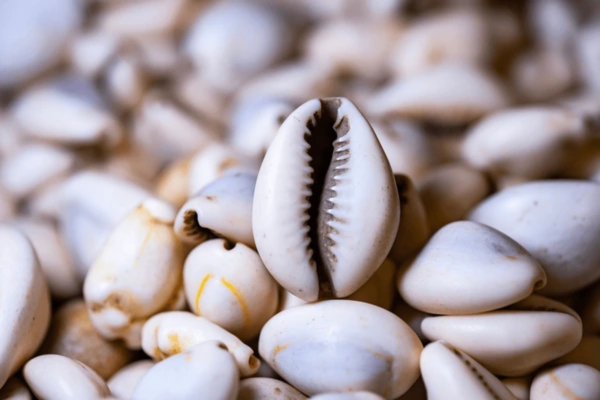
- Cowries
- Exhausted or Adulterated Tea — tea stripped of its natural quality
- Cartridge Reloading Equipment
- Indecent or Obscene Materials — prints, books, cards, engravings
- Manilas
- White Phosphorous Matches — extremely hazardous
- Peace-Threatening or Religiously Offensive Materials
- Food Declared Unfit for Human Consumption
- Textiles Bearing Koranic Inscriptions
- Disguised Pistols — firearms hidden within everyday objects
- Second-Hand Clothing
- Non-Legal Tender Coins
- Nuclear and Toxic Waste
Additionally, most spirits containing more than 48.5% pure alcohol by volume are prohibited with limited exceptions for properly produced brandy, gin, rum, and whisky that meet strict production standards. Any weapon designed to discharge noxious liquids or gases is also completely banned.
What Happens if You Are Caught With Banned Items in Nigeria
Getting caught with any of these banned items in Nigeria is not something to take lightly. Offenders face heavy fines, immediate seizure of goods, and potential criminal prosecution under the FCCPA 2018. Violations involving weapons, toxic waste, or counterfeit currency carry the risk of custodial sentences. Nigeria Customs Service officers are also empowered to seize prohibited goods at ports and borders without warning.
For the complete official documentation, visit the FCCPC’s official prohibited products page here.
Staying informed about banned items in Nigeria is not just bout legal compliance it is about protecting yourself, your business, and your community.
📢 Share this. Someone you know might need to see it.