






















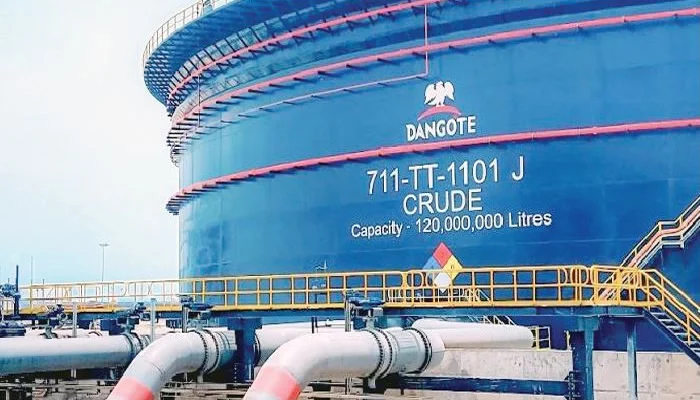
Dangote refinery raises petrol price to N1,275 per litre, deepening concerns over the rising cost of fuel and the pressure it could place on transportation, goods and everyday living expenses across Nigeria.
The latest adjustment is significant not only because of the new price level, but also because it reportedly marks yet another increase within a short period. Repeated fuel price changes often create uncertainty for consumers and businesses alike, especially in an economy where petrol prices directly affect the cost of movement, food distribution and general market prices.
For many Nigerians, any increase in petrol cost goes beyond filling stations. It quickly filters into transport fares, generator use, production expenses and the price of essential goods and services.
Dangote Refinery Raises Petrol Price Again In March
The decision by the refinery to revise its petrol price upward is likely to attract national attention because of the company’s growing influence in Nigeria’s downstream petroleum sector. As one of the biggest players in local refining, pricing decisions from the plant can shape market expectations and affect what many consumers eventually pay.
That Dangote refinery raises petrol price again in the same month is likely to intensify concerns among households and business owners already dealing with inflation and reduced purchasing power. Even small price adjustments can have wide economic consequences when fuel remains central to daily life and commercial activity.
The repeated increases may also revive debate over fuel pricing mechanisms, market regulation and how much relief consumers can realistically expect in the near term.
What The Increase Could Mean For Nigerians
Whenever Dangote refinery raises petrol price, the immediate concern is how quickly the effect will spread. Transport operators may review fares, traders may adjust prices and small businesses that depend on petrol-powered generators could face even higher operating costs.
This ripple effect is one reason fuel price movements remain such a politically and economically sensitive issue in Nigeria. Petrol is not just another commodity; it is deeply tied to how millions of people live, work and move each day.
For businesses, especially those operating on thin margins, another fuel increase could mean passing costs on to customers or cutting back in other areas.
Pressure On Cost Of Living Debate
The latest development is also likely to feed into wider discussions about inflation and the cost of living. Many Nigerians are already struggling with high food prices, electricity issues and transport challenges. A fresh hike in petrol cost may worsen that pressure, especially for low- and middle-income households.
As Dangote refinery raises petrol price, attention may now shift to how marketers, transport unions and consumers respond in the coming days.
For more on global oil and energy market trends, readers can visit the International Energy Agency.
Final Note
The decision as Dangote refinery raises petrol price to N1,275 per litre is likely to be felt beyond the fuel market alone. From transport to household spending, the impact may spread quickly, making this more than just another business update for Nigerians already coping with economic pressure.