























Just days after giving Nigerians a brief reason to smile at the pump, the Dangote Petroleum Refinery has reversed its petrol price cut — pushing ex-depot prices back up and sending ripples across fuel distribution hubs nationwide. Petroleum marketers have now released a fresh depot pricing template reflecting the new reality, and the numbers are not pretty.
Dangote Petrol Price Reversal
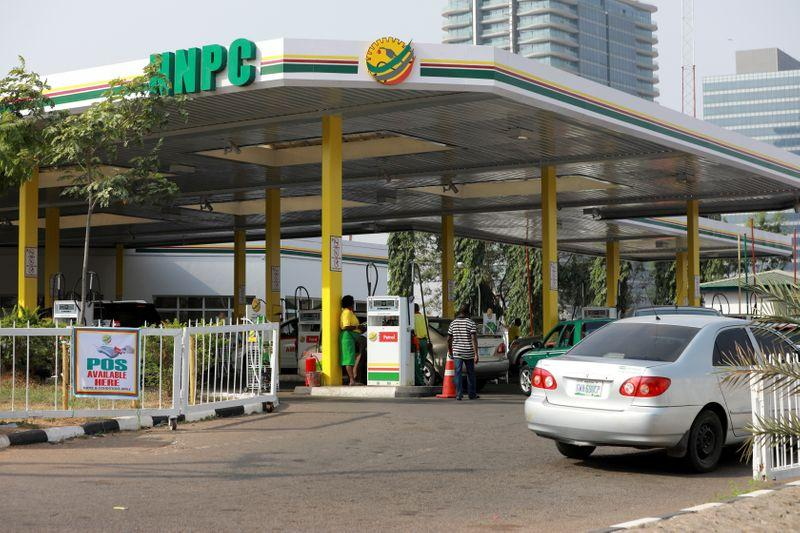
On March 10, 2026, the Dangote refinery had slashed its gantry price of Premium Motor Spirit (PMS) by N100 from N1,175 to N1,075 per litre a move that triggered immediate buying activity at depots and brief relief for Nigerians already battered by rising fuel costs. Some depot operators quickly began selling at around N1,100 per litre, and NNPC retail outlets in Abuja reduced their pump prices in response.
That relief lasted barely 72 hours. On March 13, 2026, at 1:00 pm, the refinery communicated a full reversal to its customers through its Group Commercial Operations Department, restoring the gantry price to N1,175 per litre exactly where it had been before the cut. The coastal supply price also surged, jumping from N1,378,548 per metric tonne to N1,512,648 a rise of over N134,000 per tonne, equivalent to roughly 9.7 per cent.
The refinery’s explanation? Global geopolitics. In its notice to customers, the refinery stated that the price review was necessitated by “the current global geopolitical situation, which has further escalated.” The ongoing US-Iran conflict has driven crude oil prices sharply higher, squeezing refining margins and forcing the adjustment.
New Petrol Depot Prices Across Nigeria
Following the reversal, the Major Energies Marketers Association of Nigeria released an updated pricing template showing depot costs across key distribution hubs. Here is what marketers are now working with:
- Lagos — depot prices ranging from N1,075 to N1,085 per litre at private depots
- Warri — prices adjusted upward in line with new Dangote gantry rate
- Calabar — depot operators revising loading prices following refinery notice
- Port Harcourt — prices trending higher across distribution points
Industry sources also confirmed that the refinery temporarily suspended loading operations at its Lekki facility to allow for stock reconciliation and alignment with the revised pricing structure a move that could further tighten supply at depots in the short term.
Why This Keeps Happening: The Bigger Picture
This is not an isolated incident. Since early March 2026, the Dangote refinery has revised its gantry price multiple times from N774 per litre to N874, then N995, then N1,175, briefly down to N1,075, and now back up to N1,175. All of this within roughly two weeks a level of volatility that has left marketers, depot operators and ordinary Nigerians struggling to plan.
The root cause is the US-Iran war, which has driven global crude oil prices above $100 per barrel and disrupted supply chains across the Middle East. Since Dangote processes crude at international benchmark prices with no government subsidy, every global price movement flows directly into Nigerian fuel costs.
Meanwhile, a separate but related debate is brewing over fuel imports. Nigeria’s Midstream and Downstream Petroleum Regulatory Authority has refused to grant any petrol import licences in the first quarter of 2026, citing that local production led by Dangote now meets national demand. The refinery currently accounts for roughly 92 per cent of Nigeria’s daily petrol supply. Not everyone agrees that is enough of a buffer, and the price swings of recent weeks have done little to settle that argument.
For Nigerians at the pump, the message for now is clear relief, when it comes, may not last long. For the latest fuel price updates, follow PetroleumPrice.ng.