





















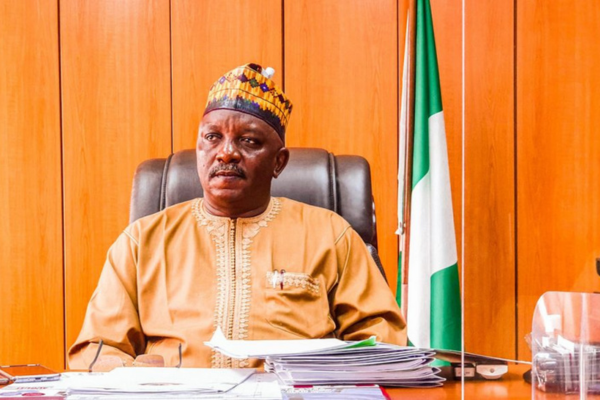
Justice James Omotosho of the Federal High Court in Abuja has sentenced the former Minister of Power, Saleh Mamman, to a total of 75 years’ imprisonment. The landmark judgment, delivered on Wednesday, May 13, 2026, follows a conviction in a multi-billion-naira corruption scandal involving the Mambilla and Zungeru hydroelectric power projects.
The court found Saleh Mamman guilty on a 12-count charge bordering on conspiracy and money laundering. The Economic and Financial Crimes Commission (EFCC) successfully proved that approximately N33.8 billion (previously cited as N22bn in early trial stages) was diverted during his tenure under the administration of former President Muhammadu Buhari.
Justice Omotosho ruled that the prison terms for each count would run consecutively rather than concurrently, resulting in the cumulative 75-year sentence. Because Saleh Mamman was absent during the sentencing with his legal team unable to account for his whereabouts, the judge issued a stern directive to law enforcement. Sentenced in Absentia, the 75-year term will officially begin on the day of his arrest. All national security agencies have been ordered to locate and arrest the former minister wherever he may be found. The court ordered the immediate forfeiture of all recovered monies and properties traced to the former minister to the Federal Government.
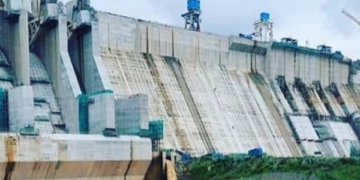
The conviction centers on the illegal diversion of public funds earmarked for Nigeria’s critical power infrastructure. Saleh Mamman was accused of conspiring with ministry officials and private entities to convert funds meant for the Mambilla and Zungeru Hydroelectric Power projects.
The judge criticized the former minister’s actions, noting that instead of addressing the nation’s “epileptic power supply,” he chose to enrich himself at the expense of the public. In addition to the jail time, the court ordered Saleh Mamman to refund the outstanding balance of the diverted funds.
The legal battle against Saleh Mamman began following his arrest by the EFCC in May 2021, shortly after he was relieved of his ministerial duties. The trial featured 17 witnesses and dozens of exhibits detailing complex financial transactions, including a $655,700 cash payment for a property in Abuja that violated anti-money laundering laws.
The sentencing marks one of the most significant judicial outcomes in Nigeria’s recent anti-corruption drive, signaling a strict stance on the mismanagement of national infrastructure funds.