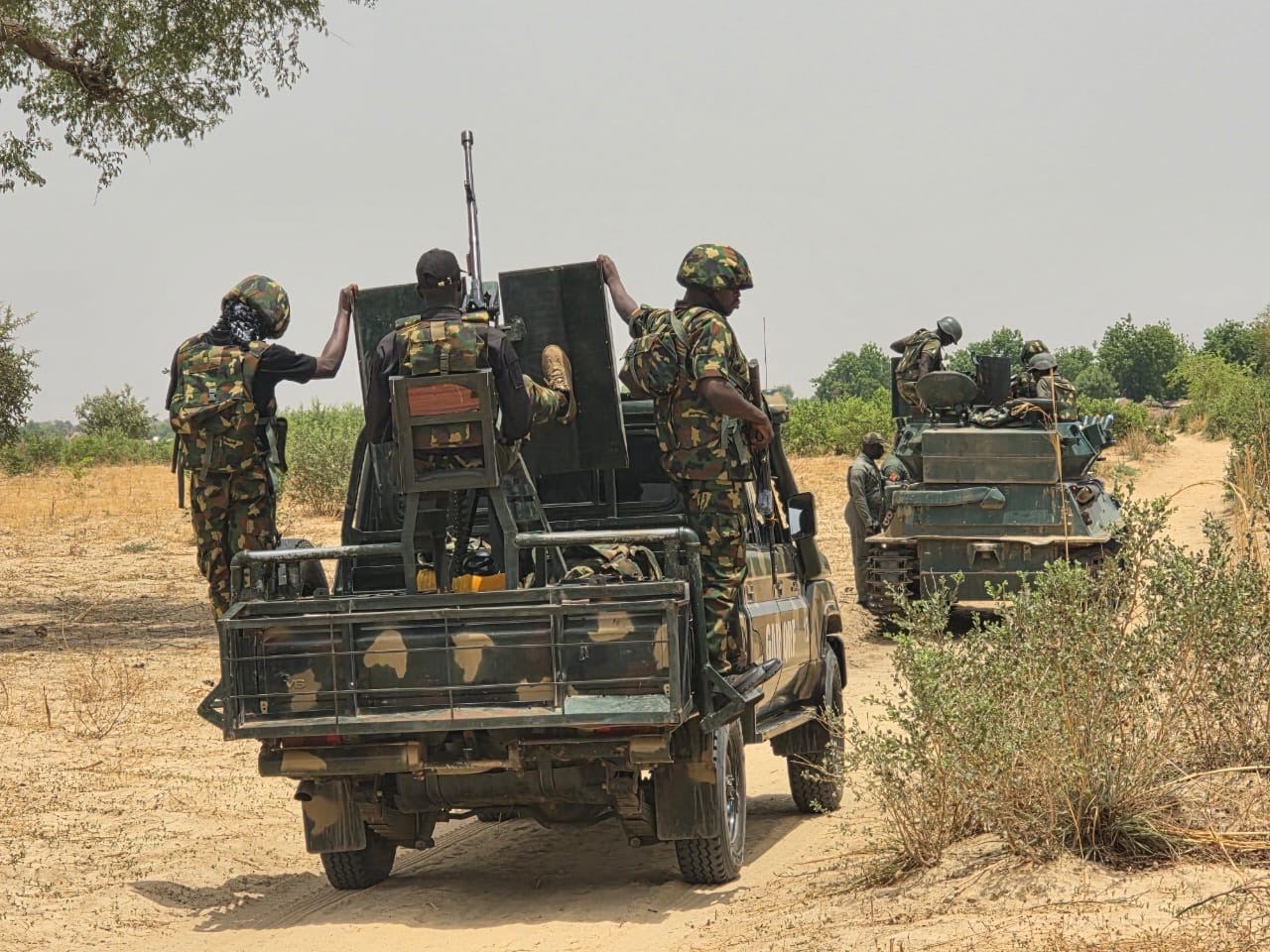
Zamfara Troops Rescue Five Victims After Bandit Attack
Zamfara troops rescue five victims in a fresh operation that has once again drawn attention to the danger facing commuters in parts of the state. What should have been an ordinary journey turned into another moment of fear after armed bandits reportedly attacked travellers, forcing troops to respond before the situation became even worse. The incident is the latest reminder that in Zamfara, some roads still carry more than traffic. They carry uncertainty. And for many residents, that uncertainty has become part of daily life. A report by
Daily Post highlighted the operation, while same-day details published by
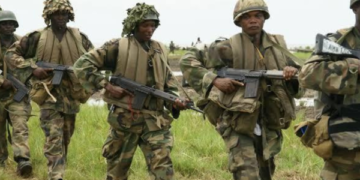
Zagazola Makama said troops of Operation FANSAN YAMMA responded to a bandit attack on commuters along the Sabon Gida–Anguwan Rogo axis in Gusau Local Government Area of Zamfara State.
- Location: Sabon Gida–Anguwan Rogo axis, Gusau LGA, Zamfara State
- Date: March 29, 2026
- Security response: Troops of Operation FANSAN YAMMA
- Outcome: Five victims rescued
- Additional detail: One victim was found dead and another sustained gunshot wounds
What happened on the Gusau axis
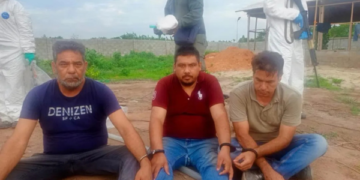
According to the account published by Zagazola, troops of 1 Brigade Counter-Terrorism Unit 2, deployed at Forward Operating Base Sabon Garin, responded after reports that bandits had attacked commuters around 8:25 p.m. The troops reportedly engaged the attackers in a firefight, forcing them to retreat and abandon five victims at the scene. One of the rescued victims was said to have suffered gunshot injuries and was evacuated for treatment. Troops also recovered the corpse of another victim, which was later handed over to relatives. That detail changes the emotional weight of the story. Yes, lives were saved. But for at least one family, the rescue came too late.
Why Zamfara troops rescue five victims matters
The reason
Zamfara troops rescue five victims is more than just a routine security headline is simple: it speaks to the wider reality of life in Zamfara. For many road users, especially in vulnerable areas, travel has become a gamble. A normal trip can turn into panic within minutes, and rescue often depends on how quickly security personnel are able to respond. This is also happening against the backdrop of a much larger crisis. In February 2026,
AP reported that police said 38 people were killed and others abducted in another attack in Zamfara. That earlier case underlined how deadly the security situation in the state can become when attackers strike before help arrives.
A state still living under pressure
Stories like this hit differently because they no longer feel isolated. They are part of a repeated pattern of raids, abductions, roadside attacks and displacement. In March 2026,
Vanguard reported that Zamfara had 276,887 internally displaced persons, a figure that shows how deeply insecurity has reshaped everyday life across the state. That context matters. When
Zamfara troops rescue five victims, it is not only about a successful military response. It is also about a population that has been forced to live with recurring fear for too long. Every rescue brings relief, but it also raises a painful question: how many attacks are still happening before intervention arrives?
Beyond the rescue
There is no doubt that the troops’ response prevented a worse outcome. But stories like this are never only about what was stopped. They are also about what nearly happened, what one family already lost, and why commuters in parts of Zamfara still travel with fear in the back of their minds. For now, five people are alive because help came in time. That is the hopeful part of the story. The harder part is that the threat itself remains, and communities across Zamfara know it too well.
Sources: Daily Post.