























Nigeria fuel price hike 2026
As global crude surges toward $117 per barrel on Middle East fears,
ordinary Nigerians face a cost of living crisis that no oil windfall is cushioning
Nigeria is once again staring down a painful economic truth one etched into
the daily lives of millions of its citizens. Global crude oil prices are surging
toward $117 per barrel, propelled by an eruption of violence in the Middle East,
and for a country that exports raw crude yet still imports much of its refined
fuel, the shockwaves at home are swift and severe.
The irony is almost unbearable. Africa’s largest oil producer watches global
prices soar, only for that very surge to drain wallets at Nigerian petrol
stations a structural paradox that decades of promised refinery investment
have failed to resolve.
Brent crude per barrel (March 2026)
NNPCL pump price per litre
of global oil flows through Strait of Hormuz
income drop per 1% fuel price rise
The Spark: War in the Middle East
The current price spiral traces back to late February 2026, when coordinated
US-Israeli strikes on Iran triggered a dramatic escalation in the Gulf.
The
death of Iranian Supreme Leader Ayatollah Ali Khamenei and the retaliatory
attacks that followed sent shockwaves through international energy markets.
Closures of key oil infrastructure across the Gulf stoked fears of a sustained
supply crunch fears that traders wasted no time pricing in.
“Brent crude could climb as high as $120 per barrel if conflict continues
to threaten flows through the Strait of Hormuz.”
The Strait of Hormuz the narrow waterway through which roughly one-fifth of
the world’s oil passes sits at the epicentre of the crisis. Any prolonged
disruption there would tighten global supply dramatically, pushing prices
even higher and adding more pressure on import-dependent economies like Nigeria.
Nigeria’s Pump Prices: Feeling the Heat
The ripple effects reached Nigerian filling stations with alarming speed.
Before the Middle East conflict escalated, Nigeria’s 2026 federal budget had
been anchored on a Bonny Light crude benchmark below $65 per barrel. That
assumption has been obliterated.
The Dangote Petroleum Refinery Nigeria’s flagship domestic refiner moved
swiftly, raising its gantry price by over N200 per litre within days, citing
crude oil market volatility.
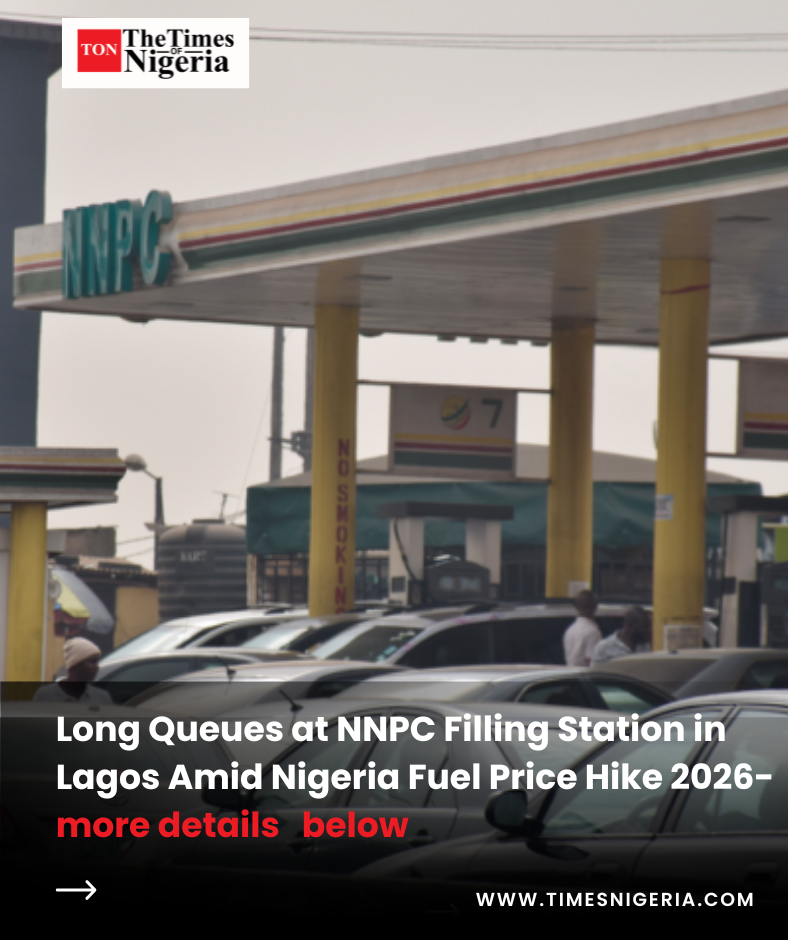
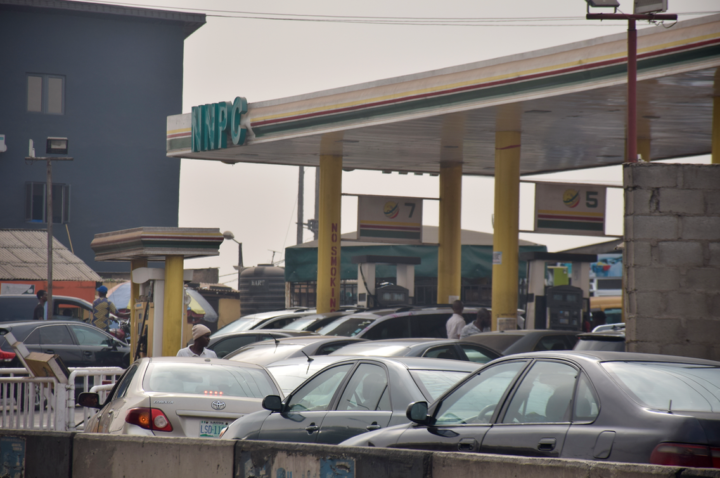
The Nigerian National Petroleum Company Limited
(NNPCL) followed suit, pushing its retail price from roughly N870 to N1,082
per litre in a matter of hours a cumulative jump of over N200 in under
a week.
Bonny Light crude would average below $65/barrel. With global prices nearly
double that figure, fiscal projections are under intense strain even as
consumers pay more at the pump.
Ordinary Nigerians: Bearing the Heaviest Burden
Behind every price figure is a human cost. Bus fares have jumped across
major cities as transport operators pass higher fuel costs onto commuters.
Small business owners who rely on generators an everyday necessity in a
country where grid electricity remains unreliable are facing soaring
operational expenses, compressing already thin margins.
Academic research into Nigerian fuel economics is unambiguous: for every
one percent increase in petrol prices, household per capita income declines
by roughly 0.58 percent, while headline inflation rises by approximately
0.23 percent.
With prices now exceeding N1,000 per litre in many areas,
the accumulated blow to purchasing power is substantial.
This is especially alarming because Nigeria had been on a promising
disinflation path heading into 2026.
The Central Bank of Nigeria had
projected headline inflation easing toward 12.94 percent this year
a target now seriously at risk of being knocked off course.
A Paradox Nigeria Cannot Escape
There is a deep and enduring cruelty to Nigeria’s energy predicament. Sitting
atop some of Africa’s most abundant petroleum reserves, the country remains
structurally exposed to global crude price volatility because domestic refining
capacity even with the Dangote Refinery now operational has not been
sufficient to fully shield the domestic market from international shocks.
Energy analysts and economists are calling urgently for government intervention:
targeted household relief programmes, accelerated investment in local refining
and distribution, and a serious, long-overdue rethink of Nigeria’s energy
security strategy. Without such measures, every geopolitical tremor in a
distant region will continue translating, almost automatically, into deeper
hardship for Nigerian families.
Conclusion
The current fuel price crisis is a stark and urgent reminder of how exposed
and how fragile Nigeria’s energy security truly is. Global shocks will keep
finding their way to the pump for as long as the country remains structurally
dependent on imported refined petroleum. For Nigerian households already
navigating high inflation and a relentless cost-of-living squeeze, rising
fuel prices are not a distant economic variable; they are a daily crisis.
The government, regulators, and private sector must act in concert before
the pain at the pump deepens beyond recovery.