























Table of Contents
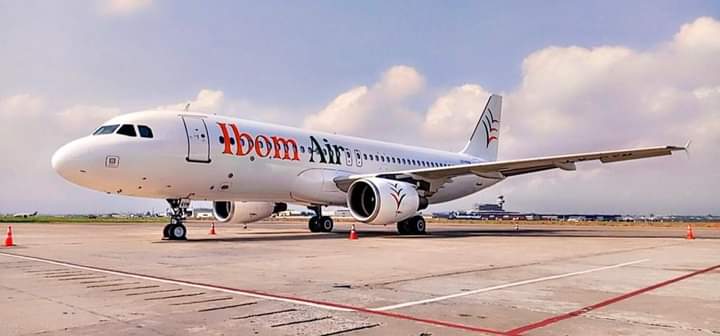
The Ibom Air aviation fuel crisis has taken a dramatic and alarming turn. In a bombshell statement released on Monday, the Akwa Ibom State-owned carrier revealed that fuelling a single flight now costs approximately N7.6 million up from just N2.1 million in January 2026.
That is a staggering 350 per cent increase in just seven weeks — and the airline is warning that the situation is no longer sustainable. Nigeria’s entire domestic aviation sector is teetering on the edge, and passengers may soon feel the full impact.
1. The Shocking Numbers Behind the Fuel Crisis
To understand how serious this is, consider the numbers. Jet A1 fuel the standard fuel used by commercial aircraft has skyrocketed from around N900 per litre in late February 2026 to between N2,700 and N3,300 per litre, with some marketers reportedly charging as high as N3,500 per litre.
Meanwhile, globally, crude oil prices only rose by approximately 30 per cent during the same period. That gap between global trends and local pricing is what has pushed Nigerian airlines to the edge and what has made the Ibom Air aviation fuel crisis a headline issue.
2. Ibom Air Aviation Fuel Crisis — What the Airline Said
Ibom Air did not mince words. In its official statement, the airline described the current situation as “an unprecedented crisis” for Nigeria’s domestic airlines, noting that its fuel costs have more than tripled since the start of the year.
The airline disclosed that, despite absorbing these mounting losses, it has been unable to fully pass the burden on to passengers due to competitive pressures. In other words fares have stayed relatively low, but the airline has been quietly bleeding money to keep flights running.
Ibom Air also raised pointed questions about why aviation fuel prices in Nigeria are so much higher than global rates, particularly given that fuel marketers source 95 per cent or more of their Jet A1 from the Dangote Refinery a domestic source.
The airline’s warning was stark: if conditions do not change, it will be forced to cut capacity meaning fewer flights and fewer options for Nigerians.
3. How the Ibom Air Aviation Fuel Crisis Is Hitting the Entire Industry
Ibom Air is not suffering alone. The Airline Operators of Nigeria (AON) have been sounding the alarm for weeks. The group has formally written to fuel marketers, the Ministry of Aviation, and even President Bola Tinubu himself, demanding immediate action.
The AON has warned that if the fuel price surge is not addressed, domestic airlines may halt all operations. In fact, one domestic airline has already been forced to ground its entire fleet since March 13, 2026 the first airline casualty of this crisis.
There are strong indications that more airlines could follow, with industry insiders warning that a full nationwide shutdown of domestic flights could happen as early as Thursday, April 30, 2026, if no resolution is reached.
- Air Peace has flagged inconsistent fuel supply at regional airports
- Multiple airlines are absorbing heavy operational losses to keep flying
- One unnamed airline has already grounded its fleet entirely since March 2026
- AON has threatened a full industry shutdown if nothing changes
4. What Is the Government Doing About It?
The Federal Government has not been completely silent. Aviation Minister Festus Keyamo convened an emergency meeting with airline operators and fuel marketers in Abuja last week in a bid to find a resolution.
President Tinubu has since approved a 30 per cent relief on debts owed by local airlines to key aviation agencies including FAAN, NAMA, and the NCAA as a first phase of intervention. He also ordered that representatives from government, airlines, fuel marketers, and regulators meet within 72 hours to agree on what the minister described as a “fair and reasonable” jet fuel price.
Additionally, a presidential committee is expected to be established to review and potentially eliminate multiple taxes, levies, and charges embedded in domestic airfares. However, industry players say that while these moves are welcome, the core pricing problem remains unresolved as of today.
For a broader view of how global fuel price tensions are affecting aviation worldwide, visit Associated Press or BBC Business News.
5. What This Means for Nigerian Passengers
If you rely on domestic flights for business or personal travel, this crisis directly affects you. Here is what to watch out for:
- Higher ticket prices — airlines may eventually be forced to raise fares significantly to survive
- Reduced flight frequencies — fewer daily flights on popular routes
- Possible cancellations — especially on routes served by smaller carriers
- Last-minute disruptions — a nationwide shutdown, if triggered, could happen with little warning
Travel experts advise Nigerians to monitor airline announcements closely, book refundable tickets where possible, and have alternative travel plans ready in case of sudden disruptions.
6. Frequently Asked Questions
How much does it cost Ibom Air to fuel a single flight right now?
As of April 27, 2026, Ibom Air is spending approximately N7.6 million to fuel a single flight, compared to just N2.1 million in January 2026 an increase of over 350 per cent.
Why is aviation fuel so expensive in Nigeria compared to the rest of the world?
Globally, crude oil prices rose by about 30 per cent during the same period. However, Nigeria’s Jet A1 fuel prices surged by over 300 per cent a disparity that airlines and industry groups have described as disproportionate and unjustified, especially since most fuel is sourced domestically from the Dangote Refinery.
Could Nigerian domestic flights be grounded soon?
There is a real and active threat of a nationwide shutdown. Industry insiders have warned that if no resolution is reached, airlines may halt operations as early as Thursday, April 30, 2026.
What is the Nigerian government doing to resolve the aviation fuel crisis?
President Tinubu has approved a 30 per cent debt relief for airlines and ordered urgent talks between fuel marketers, airlines, and regulators to agree on a fair price. A presidential review committee is also being established to tackle excess charges and taxes on airfares.
Has any airline already shut down due to the fuel crisis?
Yes. At least one domestic airline has grounded its entire fleet since March 13, 2026, making it the first known casualty of the current aviation fuel crisis in Nigeria.
Conclusion
The Ibom Air aviation fuel crisis is more than one airline’s problem, it is a full-blown sector emergency that could reshape air travel in Nigeria in the weeks ahead. From a single flight costing N7.6 million in fuel to the looming threat of a nationwide shutdown, the signs are impossible to ignore.
The ball is now firmly in the court of fuel marketers, regulators, and the Federal Government. Nigerians both those who fly and those who depend on air cargo and connectivity are watching closely and hoping for swift, decisive action.
Will the government act in time? Or will the runways go quiet? Stay close — this story is far from over.
📌 Want more updates on Nigeria’s economy and business news? Read our latest economic and business stories here.