


















Table of Contents
- Tinubu Charges Nigerian Ambassadors — The Full Mandate
- Nigeria’s Foreign Policy Just Changed — The New 4D Doctrine Explained
- Attracting Foreign Investment: A Core Mission for Nigeria’s Envoys
- Diaspora Welfare Moves to the Front of the Line
- Digital Diplomacy and the New Face of Nigerian Foreign Engagement
- Frequently Asked Questions
- Conclusion
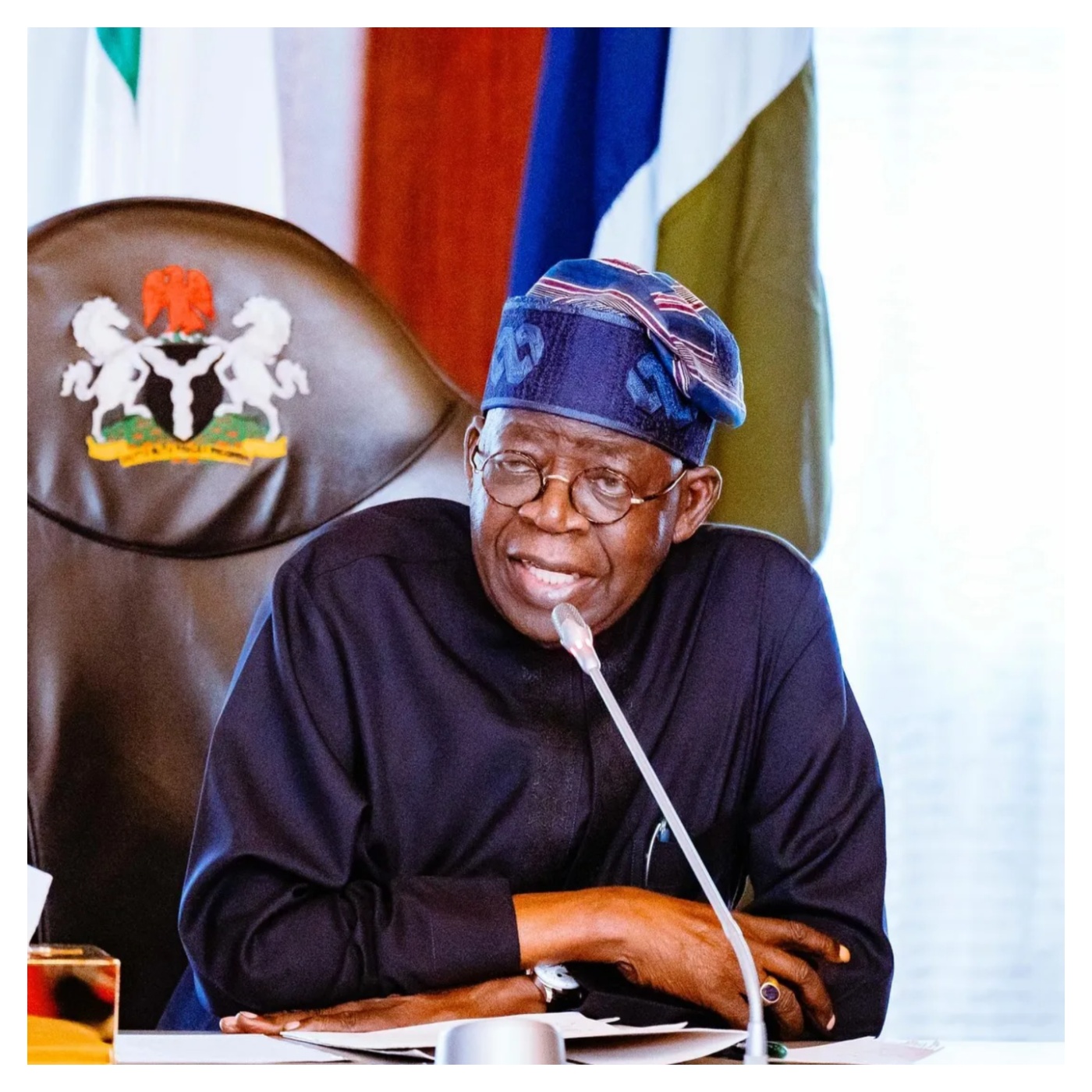
Tinubu charges Nigerian ambassadors with one of the most comprehensive and ambitious diplomatic briefs in recent Nigerian history. At the opening of an induction ceremony held at the Ministry of Foreign Affairs in Abuja on Monday, the President set out a clear and demanding vision for Nigeria’s newly appointed envoys and the world is already paying attention.
From aggressively pursuing foreign direct investment to repositioning Nigeria’s battered global image, the newly minted ambassadors and high commissioners have been handed a mission that goes well beyond the traditional boundaries of diplomacy. And at the heart of it all is a quiet but significant shift in how Nigeria intends to engage with the rest of the world.
1. Tinubu Charges Nigerian Ambassadors — The Full Mandate
Although represented at the induction ceremony by the Secretary to the Government of the Federation, Senator George Akume, President Tinubu’s message was direct and unambiguous. The newly appointed ambassadors and high commissioners were reminded that their appointments reflect the administration’s confidence in their ability to deliver measurable results on the international stage.
This was not a ceremonial pep talk. The President outlined specific, results-oriented expectations for every envoy stepping into a Nigerian mission abroad. He stressed that the world is watching and that Nigeria’s diplomatic corps must rise to meet the moment.
The key mandates handed to the envoys include:
- Aggressively pursue foreign direct investments into Nigeria
- Strengthen strategic partnerships with host nations and international organisations
- Reposition Nigeria’s global image through credible and compelling storytelling
- Protect and prioritise the welfare of Nigerians living in the diaspora
- Combine traditional diplomacy with digital engagement and strategic communication
Tinubu also called for professionalism, integrity, and patriotism, noting that envoys function as both government representatives and custodians of Nigeria’s national identity wherever they serve.
2. Nigeria’s Foreign Policy Just Changed — The New 4D Doctrine Explained
Perhaps the most significant announcement to come out of Monday’s induction ceremony was President Tinubu’s declaration of a formal shift in Nigeria’s foreign policy framework. The policy, known as the 4D Doctrine, has been reordered to reflect the administration’s updated priorities.
Originally, the 4D Doctrine was structured as:
- Democracy
- Development
- Demography
- Diaspora
Under the Tinubu administration’s revised framework, the order now reads:
- Demography
- Development
- Diaspora
- Democracy
The reordering is deliberate and symbolic. By placing Demography first, the President is signalling that Nigeria’s 220 million-strong population its greatest asset must be the starting point and primary beneficiary of every foreign policy decision. Development follows as a natural second priority, reinforcing that international engagement must translate into tangible economic gains for ordinary Nigerians.
Moving Diaspora to third place ahead of Democracy also reflects a recognition of the enormous economic and social contributions Nigerians abroad make to the country. Nigeria consistently ranks among the top remittance-receiving nations in Africa, with figures often exceeding $20 billion annually according to data tracked by the World Bank.
This is a significant pivot one that puts citizens, not political structures, at the very heart of Nigerian diplomacy.
3. Attracting Foreign Investment: A Core Mission for Nigeria’s New Envoys
One of the loudest themes running through the President’s charge was the urgent need for foreign direct investment (FDI). Nigeria has struggled in recent years to maintain consistent inflows of foreign capital, with investors citing concerns around policy consistency, infrastructure gaps, and the business environment.
Tinubu’s directive to ambassadors to become active investment ambassadors not just diplomatic liaisons marks a shift toward what analysts describe as economic diplomacy. Rather than simply representing government positions, Nigerian envoys are now expected to function almost like investment promotion officers in their host countries.
The ambassadors have been urged to:
- Proactively identify and engage potential investors in their host nations
- Promote Nigeria as a destination for manufacturing, technology, and energy investment
- Facilitate business-to-business connections between Nigerian firms and foreign partners
- Track and report on investment opportunities relevant to Nigeria’s Renewed Hope Agenda
This approach aligns with a broader global trend. Countries like Rwanda, Ghana, and Kenya have successfully deployed their diplomatic missions as active economic development tools and Nigeria appears ready to follow suit in a far more deliberate way than before.
4. Diaspora Welfare Moves to the Front of the Line
For millions of Nigerians living and working abroad, the President’s emphasis on diaspora welfare was both timely and welcome. Tinubu made clear that protecting the interests and wellbeing of Nigerians in the diaspora must remain a top priority for every mission not an afterthought.
This directive comes against a backdrop of growing reports of Nigerians abroad facing legal challenges, labour exploitation, and inadequate consular support. The charge signals that the administration is aware of these gaps and expects the newly appointed envoys to close them urgently.
Key diaspora priorities highlighted include:
- Stronger and faster consular assistance for Nigerians in distress
- Better documentation support and legal advisory services
- Encouraging and facilitating diaspora remittances and investment back into Nigeria
- Building stronger community networks between diaspora groups and Nigerian missions
Nigeria’s diaspora remittances have long been a critical pillar of the country’s economy. According to the International Monetary Fund (IMF), diaspora remittances often outstrip foreign direct investment in developing economies making the people abroad not just citizens, but strategic economic partners.
5. Digital Diplomacy and the New Face of Nigerian Foreign Engagement
Tinubu’s charge also touched on a dimension of diplomacy that previous administrations largely left unexplored digital and public diplomacy. In a world where perception is shaped as much by social media as by official statements, the President recognised that Nigeria’s story must be told loudly, consistently, and credibly across all platforms.
Envoys were urged to leverage strategic communication, digital tools, and public engagement to reshape how the world sees Nigeria. This means moving beyond press releases and formal speeches and into the spaces where global opinion is actually formed today.
The President also made a pointed call for ambassadors to actively project the achievements of his administration’s Renewed Hope Agenda from infrastructure progress to economic reforms so that the international community has a more complete and accurate picture of what is happening in Nigeria.
It is a frank acknowledgement that Nigeria’s image problem is, at least in part, a storytelling problem and that fixing it requires a different kind of diplomatic muscle.
6. Frequently Asked Questions
What did Tinubu charge Nigeria’s newly appointed ambassadors to do?
President Tinubu charged the ambassadors and high commissioners to aggressively pursue foreign direct investments, strengthen strategic partnerships, reposition Nigeria’s global image, protect diaspora Nigerians, and embrace digital diplomacy as part of a modern, results-driven approach to foreign engagement.
What is Nigeria’s 4D Doctrine and how has it changed?
The 4D Doctrine is Nigeria’s foreign policy framework. Originally ordered as Democracy, Development, Demography, and Diaspora, President Tinubu has reordered it to Demography, Development, Diaspora, and Democracy — placing Nigerian citizens and their welfare at the very centre of the country’s foreign policy agenda.
Where did the induction ceremony for Nigeria’s new ambassadors take place?
The induction course was held at the Ministry of Foreign Affairs in Abuja on Monday. President Tinubu was represented at the event by the Secretary to the Government of the Federation, Senator George Akume.
Why is diaspora welfare now a top diplomatic priority for Nigerian missions?
Growing reports of Nigerians abroad facing inadequate consular support, legal challenges, and exploitation have made diaspora welfare a pressing concern. Additionally, diaspora remittances contribute billions of dollars to Nigeria’s economy annually, making the diaspora a critical economic and social asset that demands stronger protection and engagement.
What is the Renewed Hope Agenda that ambassadors have been asked to promote?
The Renewed Hope Agenda is President Tinubu’s flagship governance programme, covering economic reforms, infrastructure development, social investment, and security improvements. Ambassadors have been tasked with actively promoting the agenda’s achievements to reshape international perceptions of Nigeria.
Conclusion
The moment Tinubu charged Nigeria’s newly appointed ambassadors with this sweeping diplomatic mandate, it became clear that Nigeria is attempting to write a new chapter in its engagement with the world. From a reshuffled foreign policy doctrine to a laser focus on investment, diaspora welfare, and digital storytelling the vision is ambitious, the expectations are high, and the pressure on these envoys is real.
Whether Nigeria’s diplomatic corps can deliver on this mandate will depend on more than good intentions. It will require accountability, innovation, and a genuine willingness to put Nigerian citizens at home and abroad first in every conversation, every negotiation, and every opportunity that arises on the world stage.
The world is watching. And so are 220 million Nigerians.
📌 Want more on Nigerian politics and government news? Read our latest coverage of President Tinubu’s policy updates and announcements here.