











Boko Haram ambush kills Colonel Nigerian Army soldiers in Borno State plunging the nation into grief just four days after the death of Brigadier-General Oseni Omoh Braimah in the Benisheikh base attack.
According to a breaking report by Sahara Reporters, the ambush occurred on April 13, 2026, and targeted a military convoy or patrol in Borno State with insurgents using tactics that have become tragically familiar: coordinated firepower, explosives, and carefully chosen terrain to overwhelm troops before reinforcements can arrive.
This latest ambush marks a catastrophic escalation in the ongoing war between Nigerian security forces and Islamic State West Africa Province (ISWAP) the Islamic State-backed faction of Boko Haram and comes amid growing national outrage over what many Nigerians are calling a failure of leadership and military strategy at the highest levels.
What Happened? Full Details of the Boko Haram Ambush That Killed Nigerian Army Colonel
The attack was reported in the early hours of April 13, 2026, when Boko Haram/ISWAP fighters ambushed a Nigerian military unit in Borno State.
The assailants targeted the convoy using a combination of explosives, heavy gunfire, and coordinated tactical positioning elements that have defined ISWAP’s increasingly sophisticated attack strategy throughout 2026.
How the Boko Haram Ambush Was Executed
Military sources confirmed that the insurgents were lying in wait, choosing a route and timing that left the soldiers dangerously exposed.
The troops reportedly came under attack suddenly and with overwhelming force, giving them minimal time to mount an effective counter-response before significant casualties were sustained.
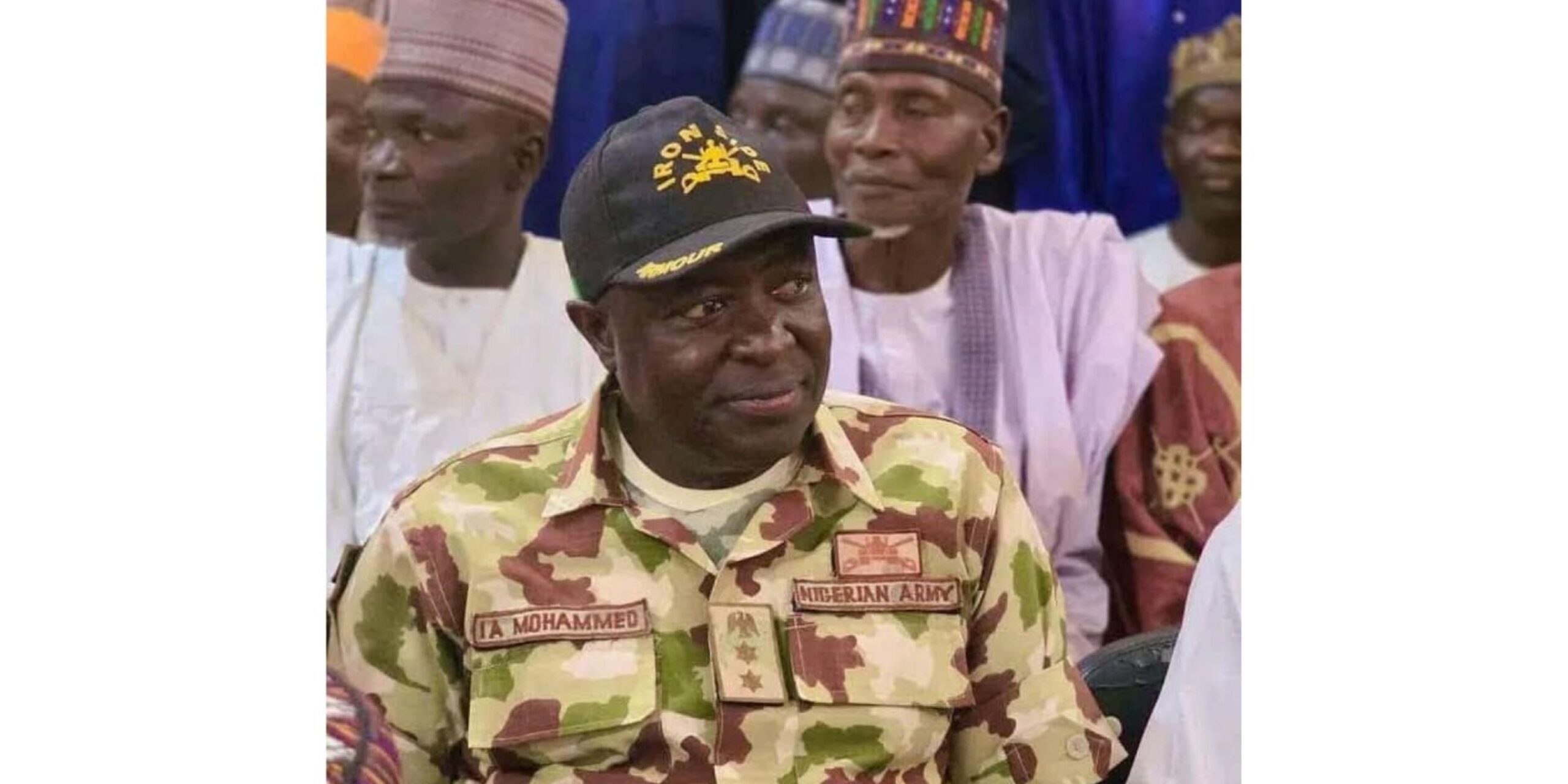
The Colonel whose full identity is yet to be officially confirmed at the time of publication was among those killed in the ambush along with several other soldiers whose numbers are yet to be fully confirmed.
Several other soldiers were injured in the ambush, and the number of personnel still unaccounted for remained unclear as of the time of filing this report.

The Colonel Who Fell: What We Know About the Victim of This Boko Haram Ambush
At the time of this report, the Nigerian Army has not officially released the full name and rank of the Colonel killed in this latest ambush a recurring pattern in which the military minimises or delays public acknowledgement of high-ranking casualties.
This is consistent with documented behaviour throughout 2026, where multiple senior officer deaths were either denied, downplayed, or confirmed only after pressure from investigative journalists and military insiders speaking on condition of anonymity.
What Military Sources Are Saying
Sources within the military told Sahara Reporters that a Colonel was among those killed in the ambush making him one of the most senior officers to be lost in a single engagement since Brigadier-General Braimah’s death on April 9, 2026.
The death of a full Colonel in an ambush as opposed to a base attack signals a troubling reality: Boko Haram/ISWAP is now targeting military convoys and operational movements, not just fixed installations.
This makes every troop movement in Borno State a potential death trap.
Nigerian Army Confirms the Boko Haram Ambush But Disputes Death Toll
In a pattern observed throughout the 2026 insurgency surge, the Nigerian Army confirmed the occurrence of the attack but appeared to downplay the casualty figures reported by military insiders.
Colonel Sani Uba, Media Information Officer of the Headquarters Joint Task Force North East (Operation HADIN KAI), issued a statement acknowledging the engagement but described troop losses in general terms without providing specific numbers or confirming the rank of the officer killed.
This approach has drawn significant criticism from military analysts, veterans, and the Nigerian public who argue that transparency about casualties is essential both for national accountability and for the morale and welfare of fallen soldiers’ families.
Why Does the Nigerian Army Underreport Casualties?
Analysts point to three key reasons why the Nigerian military consistently underreports losses:
- Morale Management: Fear that confirmed high casualty figures will demoralise frontline troops
- Political Optics: Pressure from government to maintain a narrative of military progress against insurgency
- Information Control: Restricting reporting to avoid giving Boko Haram propaganda victories
However, critics argue that cover-ups do more harm than good leaving families without answers, denying soldiers their honour, and allowing the same tactical failures to be repeated without accountability.
A Pattern of Death: Boko Haram’s Ambush on Nigerian Army Colonel Is Part of a 2026 Killing Spree
The April 13 ambush did not happen in a vacuum.
It is the latest chapter in the bloodiest insurgency streak the Nigerian military has faced since 2018 — and the speed at which high-ranking officers are being killed is deeply alarming.
Timeline of Major Attacks in 2026 (January–April)
Here is a chronological summary of the deadliest Boko Haram/ISWAP attacks in Borno State in 2026:
- January 26, 2026 Mobbar LGA Ambush:
Seven soldiers including a newly promoted Lieutenant Colonel were killed when their convoy was ambushed en route to Damasak. Explosives and heavy gunfire were used. - February 6, 2026 Jakana, Kaga LGA:
A military outpost along the Maiduguri–Damaturu Road was attacked, with armoured vehicles destroyed and ammunition looted. - March 1, 2026 Banki Junction, Bama–Gwoza Road:
ISWAP launched an assault on a Forward Base Operations site. Army Major U.I. Mairiga was confirmed killed along with several soldiers. - March 3–9, 2026 Nigeria’s Bloodiest Week:
Over 100 Nigerian soldiers were killed in just seven days across Borno State. Officers killed included Lt. Col. SI Iliyasu (Konduga) and Lt. Col. Umar Farouq (Kukawa). At least five named commissioned officers died in this single week. - April 9, 2026 Benisheikh, Kaga LGA:
Boko Haram launched a devastating coordinated assault on the 29 Task Force Brigade HQ.
Brigadier-General Oseni Omoh Braimah, the Brigade Commander, was killed along with at least 18 soldiers.
A faulty armoured vehicle allegedly prevented the General from escaping. - April 13, 2026 Borno State Ambush (LATEST):
A Colonel and several other soldiers killed in a fresh Boko Haram ambush just four days after the Benisheikh massacre.

Senior Nigerian Army Officers Killed by Boko Haram Ambush and Attacks in 2026: The Full List
Below is a comprehensive list of named senior officers confirmed killed in Borno State in 2026 a record that underscores the severity and frequency of the crisis:
| # | Name | Rank | Date Killed | Location | Circumstances |
|---|---|---|---|---|---|
| 1 | Lt. Col. Mohammed | Lieutenant Colonel | January 26, 2026 | Mobbar LGA, Borno | Convoy ambush — explosives & gunfire |
| 2 | Major U.I. Mairiga | Major | March 1, 2026 | Banki Junction, Bama–Gwoza Road | Forward Base attack |
| 3 | Lt. Col. SI Iliyasu | Lieutenant Colonel | March 5–6, 2026 | Konduga, Borno | Multi-base coordinated night attack |
| 4 | Lt. Col. Umar Farouq | Lieutenant Colonel | March 9, 2026 | Kukawa LGA, Borno | Base overrun died en route to Maiduguri |
| 5 | Brig.-Gen. Oseni Omoh Braimah | Brigadier-General | April 9, 2026 | Benisheikh, Kaga LGA, Borno | Brigade HQ assault faulty armoured vehicle |
| 6 | Name Withheld (Pending Confirmation) | Colonel | April 13, 2026 | Borno State | Boko Haram ambush several others killed |
Why Boko Haram/ISWAP Is Growing Stronger Despite Nigeria’s Counter-Insurgency Operations
The relentless Boko Haram ambushes killing Nigerian Army officers in 2026 raise a fundamental question: Why is ISWAP getting stronger, not weaker?
Key Reasons Behind ISWAP’s Growing Military Capability
- Absorption of Boko Haram Defectors:
Since the death of former Boko Haram leader Abubakar Shekau, ISWAP has expanded its influence around Lake Chad, absorbing hundreds of defectors and significantly growing its fighting force. - Improved Tactical Intelligence:
ISWAP appears to have robust intelligence-gathering capabilities — including the ability to identify convoy routes, base locations, and even the ranking of officers present during attacks. - Looted Military Equipment:
Multiple attacks have resulted in the seizure of armoured vehicles, ammunition, and heavy weapons from overrun Nigerian Army bases directly feeding back into ISWAP’s capacity to fight. - No Air Support During Attacks:
Multiple military insiders have noted that Nigerian Air Force support is often not available during attacks leaving ground troops to face overwhelming odds alone. - Equipment Failures:
The death of Brigadier-General Braimah, allegedly caused by a faulty armoured vehicle, points to a critical problem with military equipment maintenance that continues to cost lives on the frontline.
Conclusion: This Boko Haram Ambush That Killed a
Nigerian Army Colonel Demands Urgent National Action
The killing of a Colonel in yet another Boko Haram ambush just four days after a Brigadier-General was slaughtered is not just a security crisis.
It is a national emergency.
When you line up the names Lt. Col. Mohammed, Major Mairiga, Lt. Col. Iliyasu, Lt. Col. Farouq, Brig.-Gen. Braimah, and now a Colonel all killed within a three-and-a-half-month period in 2026 the picture that emerges is devastating.
Nigeria is not winning this war on the current trajectory.
The nation needs:
- Urgent Presidential-level military strategy review — the current approach is failing
- Immediate suspension of any convoy operations without adequate air cover and escort
- Full equipment audit and replacement of faulty military hardware on the frontline
- Real-time air support deployment during all ground operations in high-risk zones
- Transparent casualty reporting — families deserve truth and honour
- International intelligence partnership to track ISWAP leadership and supply chains
- Welfare and morale programmes for troops stationed in the most dangerous zones
The soldiers of the Nigerian Army are not just statistics.
They are sons, fathers, husbands, brothers.
Every ambush that kills a Colonel or any Nigerian soldier should be treated with the same urgency as an attack on Aso Rock.
Nigeria must act before more names are added to this growing list of fallen heroes.