






















India rejects Tinubu ambassador and Nigeria may not be done receiving bad news on that front. A major diplomatic headache has emerged for President Bola Tinubu’s administration, as India and several other nations are reportedly declining to grant formal approval for Nigeria’s newly nominated envoys, citing concerns over the short time left in the current administration’s tenure.
What Is Happening and Why It Matters
Before any ambassador can officially take up their post in a foreign country, that country must first grant what is known as agrément a formal diplomatic consent required under Article 4 of the 1961 Vienna Convention on Diplomatic Relations. Without it, no envoy can be accredited. And right now, several countries, including India, are dragging their feet or quietly signalling they won’t grant it at all.
The reason? Tinubu’s first term ends in May 2027. With Nigeria’s next presidential election scheduled for February 2027, many of these ambassadors could realistically have less than a year in post before a change of administration sends them packing. That is simply too short a window for many receiving nations to invest in a new diplomatic relationship.
How Nigeria Ended Up Here
This crisis is largely self-inflicted. In September 2023, President Tinubu recalled all ambassadors from Nigeria’s 109 foreign missions worldwide, citing the need for improved efficiency in the foreign service. A commendable intention but what followed was over two years of silence. Nigeria’s missions sat without substantive heads, raising serious concerns about the country’s diplomatic standing globally.
It was not until November 2025 that the President forwarded names of nominees to the Senate. They were screened and confirmed in December 2025. By January 2026, only three postings had been confirmed the UK, France, and the US. It took until March 2026 for the full list of 65 ambassadors to be officially approved and posted.
A senior foreign service official put it bluntly: “The mistake has been made by the current administration already because they shouldn’t have waited two to three years into their term before nomination, screening, and deployment of heads of missions.”
What Officials Are Saying
A Presidency source confirmed the challenge, noting that some envoys may not even depart for their duty posts until August 2026 leaving them with barely nine months on the ground before the political season kicks in. Officials say some host nations are already sending strong signals of reluctance, even without formally rejecting the nominations outright.
Under the Vienna Convention, receiving countries are not obligated to explain a rejection. This means Nigeria could face a wave of quiet, unanswered nomination requests a diplomatic embarrassment that is harder to address precisely because it is never made explicit.
Former Nigerian envoy to Algeria, Mohammed Mabdul, noted that while friendly nations were unlikely to issue outright rejections, political appointees as opposed to career diplomats presented a particular problem. With elections looming, political ambassadors could be expected to return home to campaign, making their postings even shorter and less impactful in practice.
Who Has Been Assigned to India?
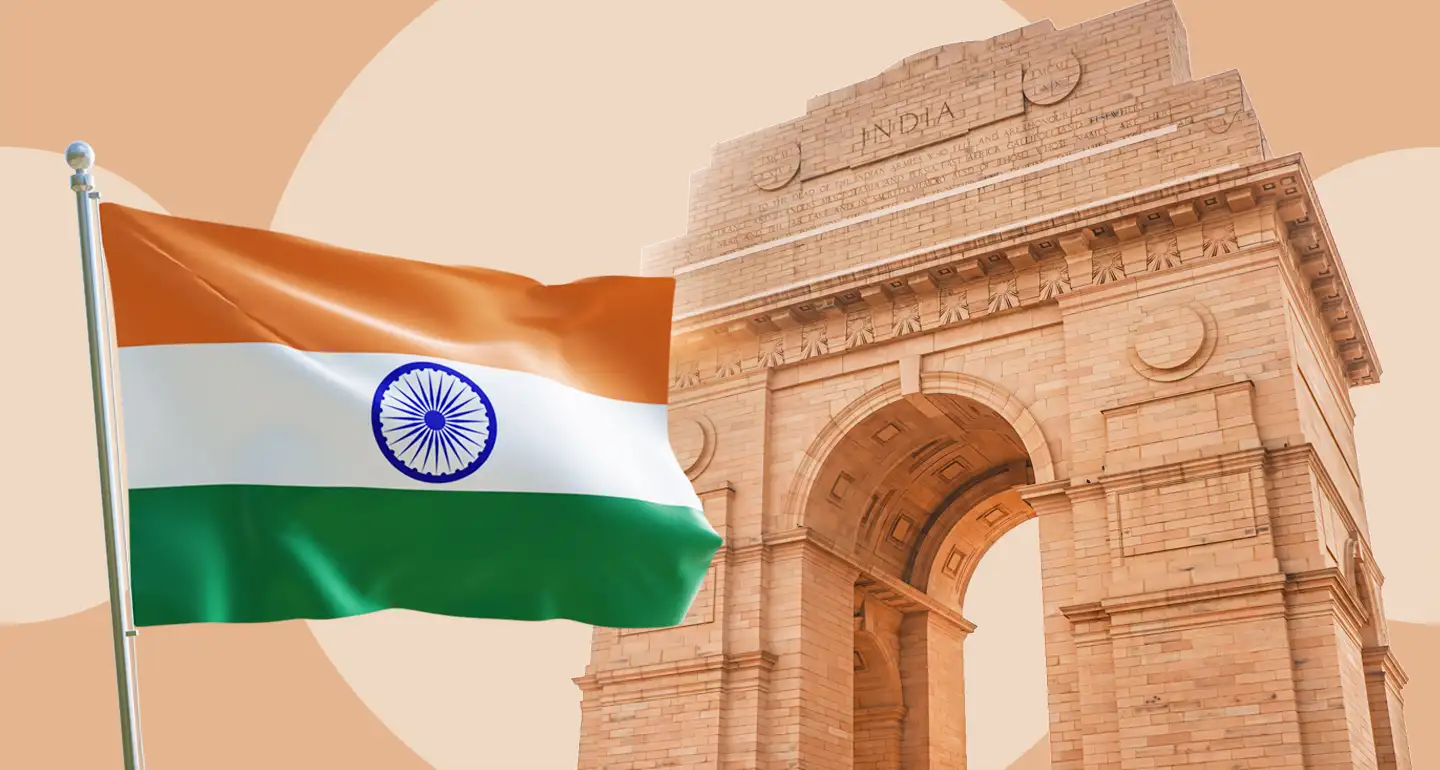
Ambassador Muhammad Saidu Dahiru has been assigned to New Delhi as Nigeria’s envoy to India. Whether his agrément will be granted or quietly ignored remains to be seen. As of the time of this report, India had not publicly confirmed acceptance of his nomination.
The Bigger Picture
Nigeria’s foreign missions have been effectively leaderless since September 2023 a gap of over 27 months. For Africa’s most populous nation and largest economy, that level of diplomatic inactivity carries real costs: weakened bilateral ties, delayed trade negotiations, and a diminished voice on international platforms.
The Vienna Convention on Diplomatic Relations is clear on how ambassador appointments must work, but it offers no protection against the political consequences of poor timing. Nigeria’s Ministry of Foreign Affairs has said it is working urgently to secure agreements from all 65 host countries. You can follow updates on Nigeria’s diplomatic activities through the official Ministry of Foreign Affairs website.
For now, the situation serves as a cautionary tale: diplomatic representation is not a luxury that can be delayed indefinitely without consequence.
Nigeria is learning that lesson the hard way.