
























Boko Haram commander killed Yobe State 2026
operating under Operation HADIN KAI, have successfully neutralised over 20 terrorists including a high-ranking
commander during a fiercely contested engagement in Goniri, Yobe State.
The operation, which began on the night of March 9 and extended into the early hours of March 10, 2026, marks one of the most decisive military victories against ISWAP forces in the region in recent months.
The Attack and Swift Military Response
According to a statement released by Lt. Col. Sani Uba, Media Information Officer for the Headquarters Joint Task
Force (North East), the terrorists launched a coordinated, multi-directional assault on the military camp housing the 120 Task Force Battalion in Goniri.
Surveillance assets detected the insurgents advancing simultaneously from
Goniri village and the Ngamdu junction axis an apparent tactical move to encircle and overwhelm the base.
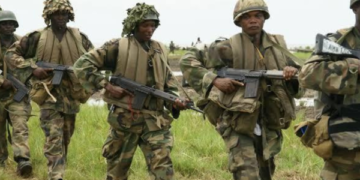
Rather than being caught off guard, the troops responded with disciplined speed and overwhelming firepower. Supported
by the Air Component, ground forces executed tactical manoeuvres to effectively counter the encirclement attempt.
The battle was intense, with militants pressing from multiple fronts, but Nigerian soldiers held their ground and ultimately forced the attackers into a disorganised retreat, leaving behind a trail of casualties and abandoned
weapons.

Commander Abu Yusu Neutralised
Among the more than 20 insurgents killed in the operation was Abu Yusu, identified as the Munzir of Dursula senior ISWAP commander who played a key logistical and operational role within the terrorist network.
His elimination represents a major intelligence and tactical win for Operation HADIN KAI.
Security analysts note that commanders at Abu Yusu’s level are responsible for planning attacks, managing supply lines, and maintaining communication between different cells, making their removal a direct disruption to the group’s operational capacity.
“Over 20 terrorists were neutralised, including a senior terrorist commander identified as Abu Yusu, the Munzir
of Dursula. Following the failed attack, troops recovered several terrorist bodies along with weapons and
equipment abandoned during the retreat.”
Weapons Recovered, Follow-Up Operations Launched
In the aftermath of the engagement, troops conducted thorough exploitation of the battle area. A significant cache of weapons was recovered, including multiple machine guns, AK-47 rifles, improvised explosive devices (IEDs),bombs, and assorted ammunition of varying calibres.
These weapons, had they been deployed successfully, could have caused devastating harm to both military personnel and nearby civilian communities.
Follow up clearance operations were subsequently launched in the Gwaigomari area within the Timbuktu Triangle a known operational corridor for insurgents in the Lake Chad Basin region.
Patrols conducted into the early morning hours of Wednesday, March 11, led to the discovery of additional terrorist bodies, confirming the full scope of the casualties inflicted during the engagement.
The military confirmed that some troops sustained injuries during the battle but were quickly evacuated for medical care and are currently in stable condition.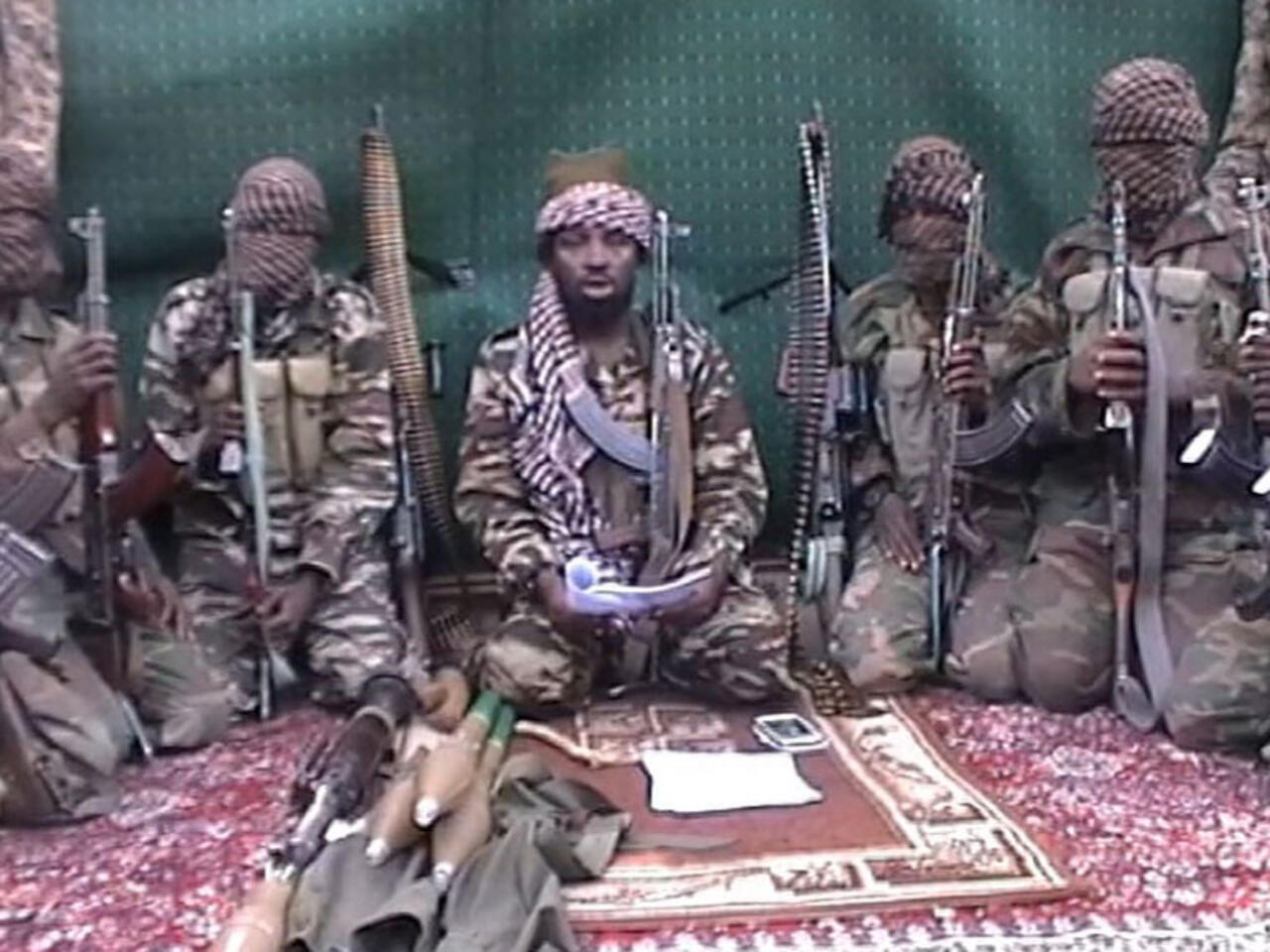
Context: Nigeria’s Ongoing Battle Against Insurgency
The Goniri engagement is part of a broader, long-running military campaign against Boko Haram and its offshoot,
ISWAP (Islamic State West Africa Province), in Nigeria’s northeastern states of Borno, Yobe, and Adamawa. Since
the insurgency began in 2009, the conflict has claimed tens of thousands of lives and displaced millions of
Nigerians. ISWAP, which split from the original Boko Haram faction in 2016, has become increasingly bold in
targeting military positions, government infrastructure, and civilian communities.
The broader northeast security situation has remained challenging in early 2026, with multiple military bases coming under attack in Borno State in preceding weeks. In January and February, a series of deadly assaults claimed the lives of several officers, including a Lieutenant Colonel killed during a convoy ambush.
In this climate of heightened insurgent activity, the Goniri victory comes as a timely morale boost for both the military and the civilian population of the region.
Military Maintains Control
Despite a brief breach of the defensive perimeter during the height of the battle which resulted in some structural and vehicle damage within the base the military confirmed that the location remains firmly under the control of Operation HADIN KAI forces.
The swift containment of the breach and the eventual repulsion of the attackers underscored the resilience and battlefield readiness of the Joint Task Force deployed in the area.
As Nigeria continues to grapple with the persistent threat posed by ISWAP and remnant Boko Haram factions, operations like the one in Goniri reflect the military’s growing capability to anticipate, intercept, and defeat terrorist offensives.
With senior commanders like Abu Yusu now eliminated, the hope remains that the insurgency’s grip on Nigeria’s northeast can be further weakened bringing lasting peace closer for the millions of Nigerians who have endured over a decade of violence.