






















Dollar to Naira Black Market Rate Today : Naira Drops Alarming N25 in Just 1 Trading Day
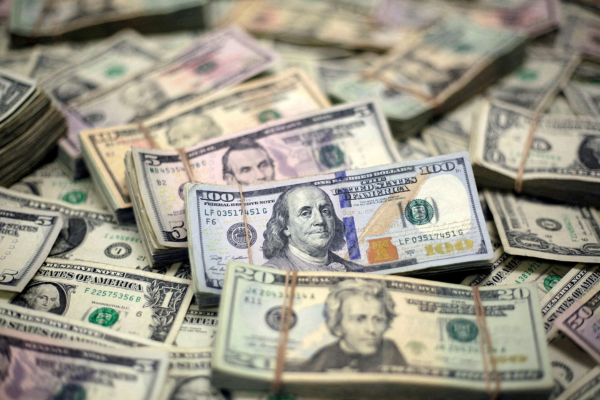
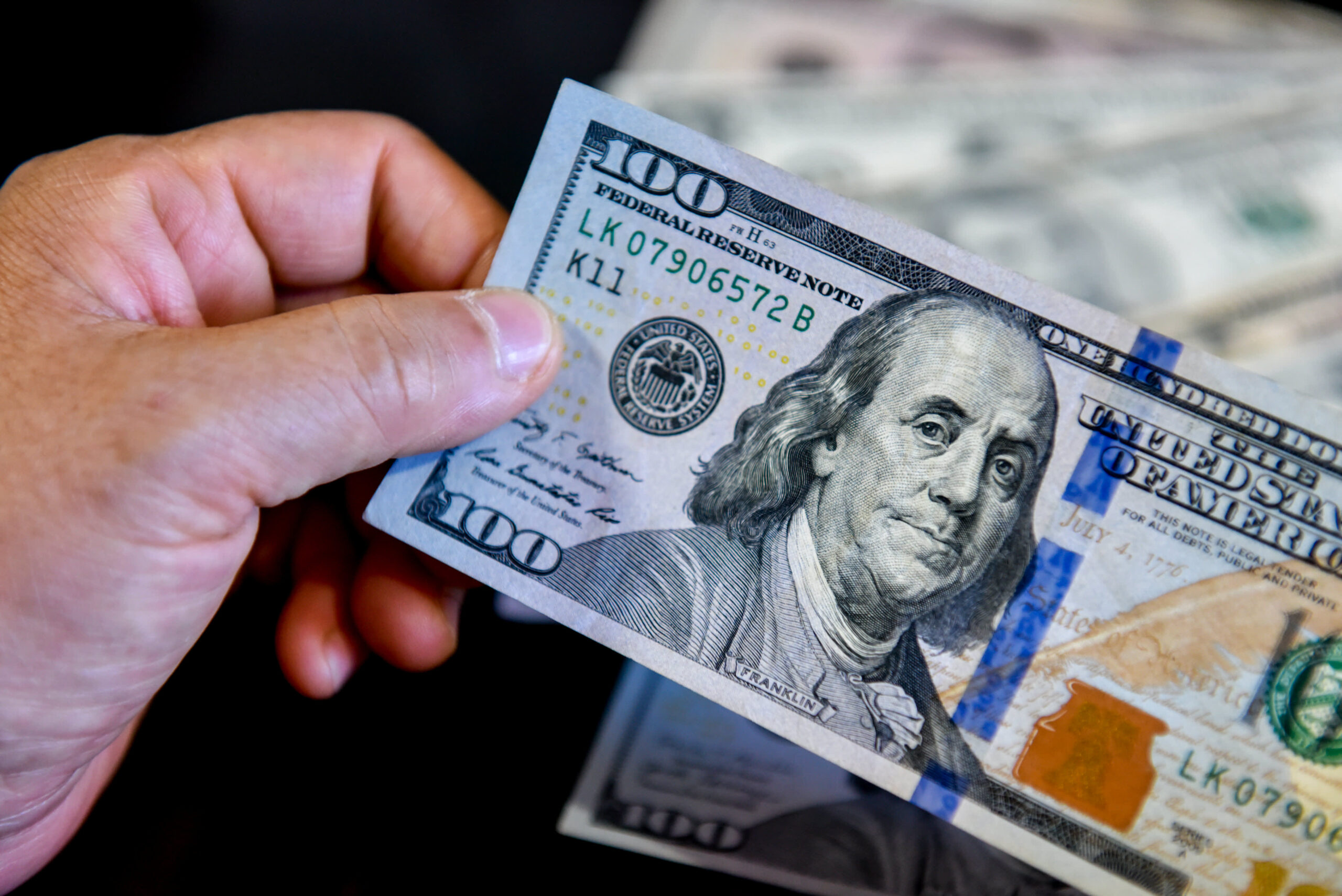
The dollar to naira black market rate today has taken a sharp and painful turn, with the naira shedding a staggering N25 against the dollar in a single trading session one of the most significant single-day drops recorded in the parallel market in recent weeks. For millions of Nigerians who depend on the black market to access foreign currency forbusiness, travel, school fees, and everyday transactions, this latest development is deeply concerning.
Data gathered from parallel market traders and foreign exchange monitoring platforms across major cities including Lagos, Abuja, and Port Harcourt showthat the naira is now trading between N1,410 and N1,420 per
dollar in the black market a sharp climb from the N1,395 rate recorded just the previous day.
Dollar to Naira Black Market Rate Today: The Latest Numbers
Here is a breakdown of what traders are currently offering across the parallel
market as of March 6, 2026:
| Currency | Buying Rate | Selling Rate |
|---|---|---|
| US Dollar (USD) | ₦1,410 | ₦1,420 |
| British Pound (GBP) | ₦1,870 | ₦1,980 |
| Euro (EUR) | ₦1,600 | ₦1,700 |
In the official foreign exchange market, the naira also recorded a marginal
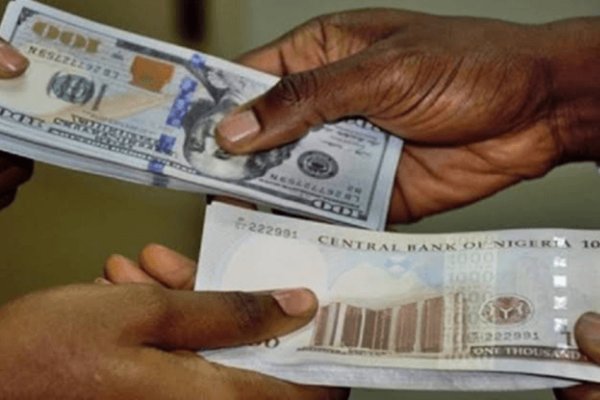
decline, with the dollar quoted at N1,387.09 a drop of N2.80 compared to
the previous session at the Nigerian Foreign Exchange Market (NFEM).
This means pressure is being felt across both the official and parallel markets
simultaneously a sign that broader demand forces are at play.
Why Is the Dollar to Naira Black Market Rate Rising Today?
The sudden spike has not gone unexplained. According to parallel market traders, renewed demand pressure for dollars returned to the market, driving the naira lower in a single session. One trader pointed directly at
the Central Bank of Nigeria, noting that the CBN had been actively purchasing dollars from the market to prevent excessive naira strengthening an intervention that, while designed to manage volatility, appears to have contributed to the current pressure.
Analysts at the Financial Markets Dealers Association also noted that despite CBN interventions aimed at preventing excessive naira strengthening that could distort investor positioning, the currency still recorded gains
across both markets in February 2026 making this week’s reversal all the more striking.
Beyond the CBN’s role, Nigeria’s structural economic challenges continue tofuel ongoing pressure on the naira. As a largely import-dependent nation, demand for dollars never truly eases whether for importing goods, paying
school fees abroad, funding medical trips, or covering business expenses.When supply tightens even slightly, the parallel market responds immediatelyand harshly.
This is not the first time Nigerians have faced a sudden forex shock in 2026.
Official vs Black Market: How Wide Is the Dollar to Naira Gap Today?
One of the most closely watched indicators in Nigeria’s forex market is the gap between the official NFEM rate and the parallel market rate. A wide gap signals market distrust and speculative pressure. A narrow gap, on the other hand, suggests the CBN’s unification efforts are holding.
As of the latest trading session, the gap between the official and parallel market rates has widened slightly to about N8 from N7 recorded previously a modest but notable widening that analysts say bears watching in the days ahead.
While N8 is far from the triple-digit gaps Nigerians endured during the worst periods of the forex crisis in 2023 and 2024, any widening trend is a signal that the convergence the CBN has been working toward could face renewed challenges if demand pressure is not adequately managed.
What This Means for Everyday Nigerians
For the average Nigerian, exchange rate movements are not abstract economic data they are felt directly in the cost of food, transport, household goods, and services. Nigeria imports a significant portion of what it consumes, which means that when the naira weakens, prices across the board tend to follow.
A N25 single-day drop may sound modest in isolation, but cumulatively, these movements add up. Parents paying school fees in foreign currency, small business owners importing raw materials, and individuals sending money abroad all feel the squeeze every time the parallel market shifts upward.
According to BusinessDay Nigeria, the naira’s recent performance reflects a complex mix of CBN policy decisions,
demand pressure, and global economic dynamics with no single quick fix available to stabilize the currency in the short term.
What to Watch Next
Currency traders and economic analysts will be watching several key indicatorsin the coming days. These include the CBN’s next intervention strategy, Nigeria’s crude oil production and export figures, and any shifts in global
dollar demand driven by developments in the United States economy.
For now, Nigerians are advised to monitor the dollar to naira black market rate today closely through trusted platforms and Bureau de Change operators and to approach any forex transaction with caution,
verifying rates before committing to any exchange.
This report will be updated as new rate information becomes available throughout the trading day.
📢 Share this update. Let others know what the dollar is doing today.