























The honeymoon period for established superstars in the national team is officially over.
Three Lions manager Thomas Tuchel has sent a clear message across the dressing room, warning that past reputations mean nothing under his watch and that even marquee names face an intense battle to lock down a spot in the primary lineup for the upcoming tournament. The tactical shake-up comes as the squad finalizes its tournament preparations in the United States. Following a narrow one to zero friendly victory against New Zealand in Florida, the manager clarified that his setup is built on current operational consistency and physical metrics rather than individual status or past tournament heroics.
The structural shift under the new management has directly impacted the team’s midfield hierarchy. While some figures were virtually unmovable during previous qualification cycles, a combination of tactical preferences and fitness issues has completely opened up the competition for the creative midfield positions. The internal competition has fundamentally changed due to a few key factors, primarily the rise of Morgan Rogers. The Aston Villa playmaker has emerged as a favorite under the new management, featuring in twelve out of thirteen matches since January. More importantly, he was one of a select few to play a part in all eight qualifiers, establishing immense tactical trust. Conversely, lingering physical setbacks, including shoulder and hamstring complications, limited alternative options like Jude Bellingham to just four qualification starts over the past year. The coaching staff explicitly noted that the setup currently features fourteen or fifteen individuals who possess the quality to be genuine starters, meaning roles will remain fluid depending on the opposition.
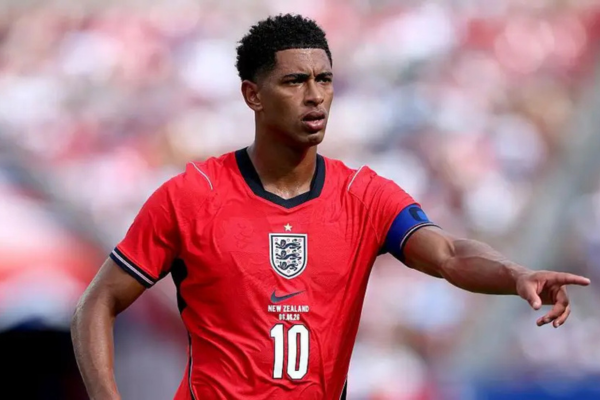
Despite the clear challenge laid down by the coaching staff, the situation surrounding the available creative talent is far from negative. The management group highlighted that forced mid-season breaks have left key individuals physically refreshed and mentally eager, avoiding the extreme burnout that often derails players after grueling European club campaigns. A sharp second-half appearance against New Zealand, which included Bellingham wearing the captain’s armband during a heavy squad rotation, demonstrated the necessary competitive edge and aggression required for tournament football. Meanwhile, the defensive spine of the team has been solidified with the announcement of solid foundational anchors like Declan Rice to maintain structural balance. The approach mirrors classic tournament management, where five available substitutions mean a manager needs a highly competitive group of fifteen players rather than a rigid eleven. Relying on an versatile pool allows the coaching staff to alter strategies mid-game without experiencing a drop-off in performance.