









‘Tinubu Is Not My Father’: Ndume Defends Right to Criticise President, Warns Against Political Violence
Senator Ali Ndume has defended his right to criticise President Bola Tinubu, insisting that loyalty to the President does not require him to remain silent when things go wrong in the country.
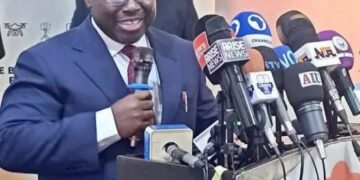
Ndume made the remarks during an appearance on Arise Television on Wednesday, November 18, 2026, while discussing his relationship with Tinubu, national security and preparations ahead of the 2027 general elections.
The conversation followed the Senate’s bipartisan resolution on political violence and growing concerns about threats to Nigeria’s democratic process.
The Borno South senator maintained that his primary responsibility as an elected lawmaker is to Nigeria and its citizens, not to any individual politician.
He stressed that public officeholders must be held accountable and that personal loyalty should never take precedence over national interest.
Explaining his position, Ndume said:
“The President of Nigeria is not my father, you know, or my father-in-law, you know, to say I’m going to say, ah, I love him so much and then I condone what is wrong. The President of Nigeria is Nigeria’s President.”
The senator’s remarks underscored his position that constructive criticism should not be interpreted as hostility or disrespect towards the President.
He argued that speaking against wrongdoing is part of the responsibility of elected representatives, particularly when issues threaten national stability and democratic governance.
Ndume also suggested that Tinubu would appreciate his intervention on the issue of political violence, insisting that raising concerns early could prevent the situation from escalating.
In his words:
“And the way I am, I know that the President will have been much happier that I raised this matter on the floor of the Senate yesterday. And he would be happy that I’m raising this on the programme because we need to nip this thing in the bud before it gets out of control.”
He maintained that drawing attention to political violence should be seen as an effort to protect the President’s administration and the country rather than an attempt to undermine the government.
According to Ndume, Nigeria cannot achieve political stability or democratic progress if threats, intimidation and violence are allowed to dominate the political environment ahead of the 2027 elections.
His position reinforces the argument that loyalty to a government should not prevent public officials from speaking out on matters of national importance.