



















Sabo-Itanrin Road Reconstruction Ogun State
How a 5km road project is reshaping mobility, commerce, and community life in Ijebu-Ode
The steady hum of earthmoving equipment has become a familiar sound along the Sabo Itanrin corridor in Ijebu Ode.
What was once a road marked by potholes, drainage failures, and daily frustration is now the site of a long-awaited transformation one that residents, traders,and commuters say cannot come soon enough.
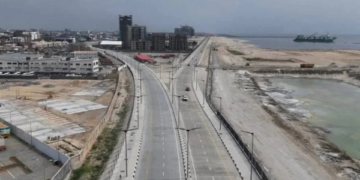
The Ogun State government has confirmed that reconstruction work on the Sabo Itanrin Road iswell underway, with earthworks and drainage construction forming the backbone of early stage activities on site.
The project, spanning approximately 5 kilometres and 10 metres in width through the Ijebu-Ode and Odogbolu Local Government Areas, represents one of the most impactful road interventions the Ijebu axis has seen in years.
From Approval to Action
The project traces its roots to a formal approval by the Ogun State Executive Council during its first sitting at the newly commissioned Exco Chamber in Oke-Mosan, Abeokuta.
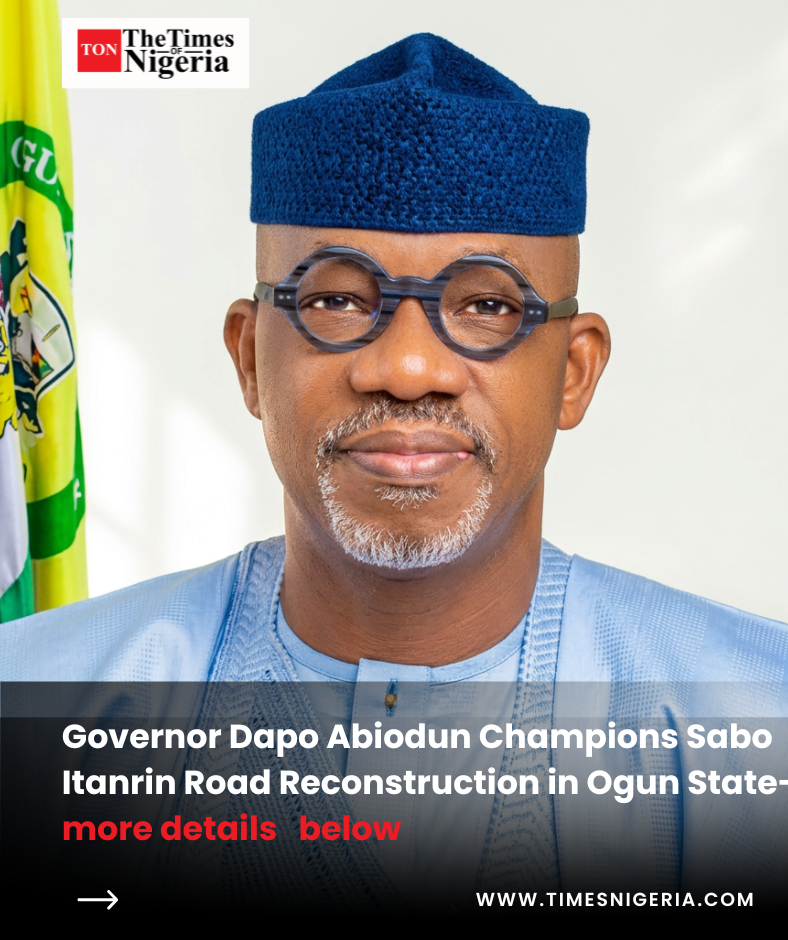
Governor Dapo Abiodun, who presided over the session, announced the reconstruction as part of a broader wave of infrastructure approvals that also included roads in Abeokuta North and Sagamu.
Confirming the approvals, Governor Abiodun stated that the new roads were designed to boost connectivity, shorten travel time, and support commercial activities along affected corridors.
For the Sabo Itanrin route in particular, the goal is to ease the chronic traffic congestion that has long plagued Ijebu-Ode and surrounding communities, while creating a smoother link to the Sagamu Benin Expressway a major national artery for goods movement across southwestern Nigeria.
Total Road Length
Road Width
LGAs Covered
km Roads Rehabilitated Statewide

A Legislative Push That Delivered
The project also carries the weight of years of community advocacy.
The Minority Leader of the Ogun State House of Assembly, Hon. Lukman Adeleye, representing Odogbolu, publicly credited the road award as a direct outcome of his sustained legislative engagements on
behalf of constituents.
He commended the governor for consistently responding to issues raised on the Assembly floor, describing it as proof that people-centred governance is not merely a campaign slogan in Ogun State.
Adeleye emphasised that a properly rehabilitated Itanrin Sabo corridor would serve as a critical alternative artery, dispersing traffic pressure that currently overwhelms the main expressway routes and making everyday movement far more manageable for residents.
“Roads are no longer political rhetoric but economic enablers intentionally linked to commerce, industrial growth, and improved mobility.
Seyi Bakare, public affairs commentator, on the Abiodun administration’s infrastructure drive.
Economic Ripple Effects
The Sabo Itanrin Road is more than a transport upgrade it is an economic catalyst.
Ijebu Ode is one of Ogun State’s most commercially active towns, with a thriving market culture, strong artisan economy, and growing real estate activity.
For years, poor road conditions have added cost and time to daily trade, discouraging investment and limiting
the flow of goods from local producers to regional markets.
Analysts point out that the road’s projected link to the Sagamu–Benin Expressway could meaningfully change the commercial landscape of the entire eastern corridor of the state.
The expressway itself is currently undergoing major federal reconstruction, with the China Civil Engineering Construction Corporation (CCECC) handling a 24-kilometre reinforced concrete section.
A well-connected Sabo Itanrin Road would allow traders and logistics operators to tap into that larger highway network far more efficiently.
Part of a Bigger Infrastructure Vision
The Sabo Itanrin project sits within what many observers are calling a genuine infrastructure
renaissance under Governor Abiodun.
Across Ogun, roads once described as generationally neglected are being tackled systematically from the Magboro Makogi corridor being rebuilt with interlocking concrete blocks suited to flood-prone terrain, to the Alagbole Akute Road where asphalt laying reached impressive daily targets in late 2025.
The Ijebu Ode Epe Majoda Road, another key project in the same eastern zone, has already demonstrated what improved road infrastructure can do for investor confidence and market access.
Community leaders across different parts of the state have consistently noted that these interventions reflect listening governance projects born from engagement rather than political convenience.

What Residents Are Watching For
With earthworks and drainage construction already in progress, the most pressing concern
among Ijebu Ode residents is pace.
The experience of road users along the Sagamu Ijebu Ode
Expressway where federal reconstruction has been criticised for slow delivery has made
locals cautious about timelines.
For the Sabo Itanrin project, the state government’s track record of deploying contractors promptly during dry season windows offers some reassurance that momentum will be maintained.
As construction advances, the road is being watched closely not just as a local infrastructure story, but as a reflection of whether Ogun State’s development ambitions can translate from council approvals to genuinely completed projects that change lives.
If the trajectory holds, the Gateway State may well be adding another chapter to what is shaping up
as a remarkable period of infrastructure-led transformation.