



















INEC Withdraws ADC Recognition: David Mark’s Leadership Suspended Amid Court Battle
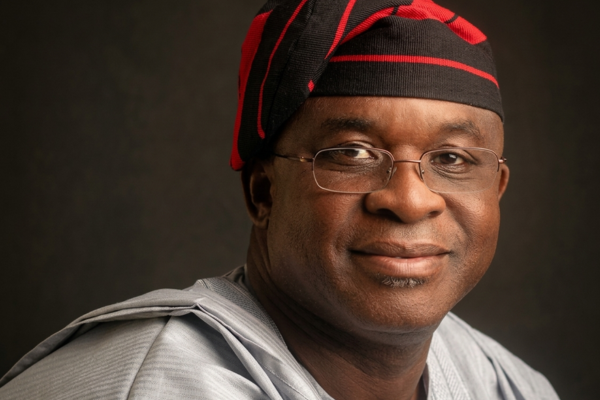
In a stunning development that could reshape Nigeria’s opposition landscape ahead of 2027, INEC withdraws ADC recognition of former Senate President David Mark’s leadership, creating a political vacuum that experts warn could weaken democratic competition in Africa’s largest democracy.
The electoral body announced that the names of the National Working Committee earlier uploaded on its portal would be removed, in compliance with a directive of the Court of Appeal. In a resolution reached at its meeting on 31 March 2026, the Commission stated that it would suspend all interactions relating to the party’s internal affairs until the court delivers its judgment.
The Legal Drama Behind the Decision
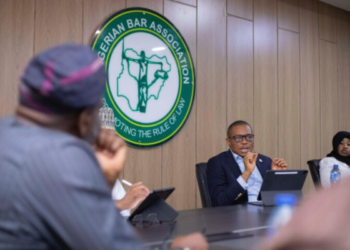
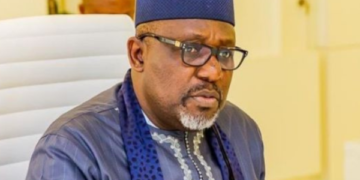
The crisis erupted when the Ralph Okey Nwosu-led executive committee resigned and ratified the appointment of a new National Working Committee led by Senator David Mark during a National Executive Council meeting on July 29, 2025. However, Nafiu Bala Gombe, who was the party’s Vice National Chairman, later rejected the development, insisting he never resigned and should automatically assume leadership following Nwosu’s exit. He subsequently approached the Federal High Court in Abuja on September 2, 2025.
What followed was a complex legal battle that has now effectively paralyzed one of Nigeria’s key opposition parties. According to the commission, the appellate court, in a judgment delivered on March 12, 2026, directed all parties to maintain the existing situation before the dispute arose and refrain from actions that could prejudice the outcome of the case. The electoral body maintained that all actions must align strictly with judicial pronouncements, noting that the names uploaded in September 2025 would now be removed.
Political Implications Rock Nigeria’s Opposition
The decision to have INEC withdraws ADC recognition has triggered widespread concern among political analysts and opposition figures. United States-based professor of journalism and columnist, Farooq Kperogi, warned that the decision could signal a dangerous erosion of democratic competition ahead of the 2027 elections. In a widely circulated commentary titled “INEC, David Mark, and Coming Abachaian Coronation,” Kperogi argued that the electoral body’s decision suggests an attempt to weaken opposition parties. “With INEC’s overtly partisan and intentionally illegal withdrawal of recognition for the David Mark-led ADC, Nigeria has officially reverted to full-on Abacha-era suffocation”.
The timing couldn’t be worse for Nigeria’s opposition. With the ADC emerging as a potential coalition platform for major opposition figures including former governors and senators seeking transparency in governance, this leadership vacuum threatens to derail opposition unity efforts just as campaigns for 2027 begin to take shape.
INEC’s Controversial Neutrality
While INEC claims neutrality, critics argue the commission’s actions effectively leave the ADC leaderless. The commission said it declined the request by the plaintiff’s solicitors to allow Nafiu Bala Gombe to take over the affairs of the party pending the determination of the case. The commission said it would also reject requests from Bala’s group to recognise him as acting national chairman, arguing that such a move would equally violate the Court of Appeal’s directive. Instead, INEC said it would maintain neutrality and refrain from recognizing either faction.
This means that as INEC withdraws ADC recognition, the party cannot conduct official business, hold conventions, or even communicate with the electoral body—essentially freezing its operations at a critical political moment.
What Happens Next?
The Commission further stressed that it would not entertain communications from any group or monitor any congresses or conventions organised in the name of the ADC while the matter remains in court. INEC further announced that it would suspend all engagements with the party’s factions, including monitoring of meetings, congresses, or conventions, until the court delivers a final ruling. “The Commission shall not receive any further communication or deal with any of the parties”.
Legal experts suggest this impasse could continue for months, potentially crippling the ADC’s ability to position itself for 2027. The party, which has attracted several high-profile defectors from other opposition parties, now faces an existential crisis that could scatter its members to rival platforms.
The Broader Impact on Democracy
As INEC withdraws ADC recognition, questions arise about the health of Nigeria’s multi-party democracy. The ADC had emerged as a refuge for politicians dissatisfied with other opposition parties, and its paralysis could strengthen the ruling party’s position by default.
The electoral body reiterated its commitment to neutrality and strict adherence to judicial pronouncements, urging political actors to avoid actions capable of disrupting preparations for the 2027 general elections. However, critics argue that strict neutrality in this case effectively favors the status quo, potentially undermining democratic competition when Nigeria needs it most.