

























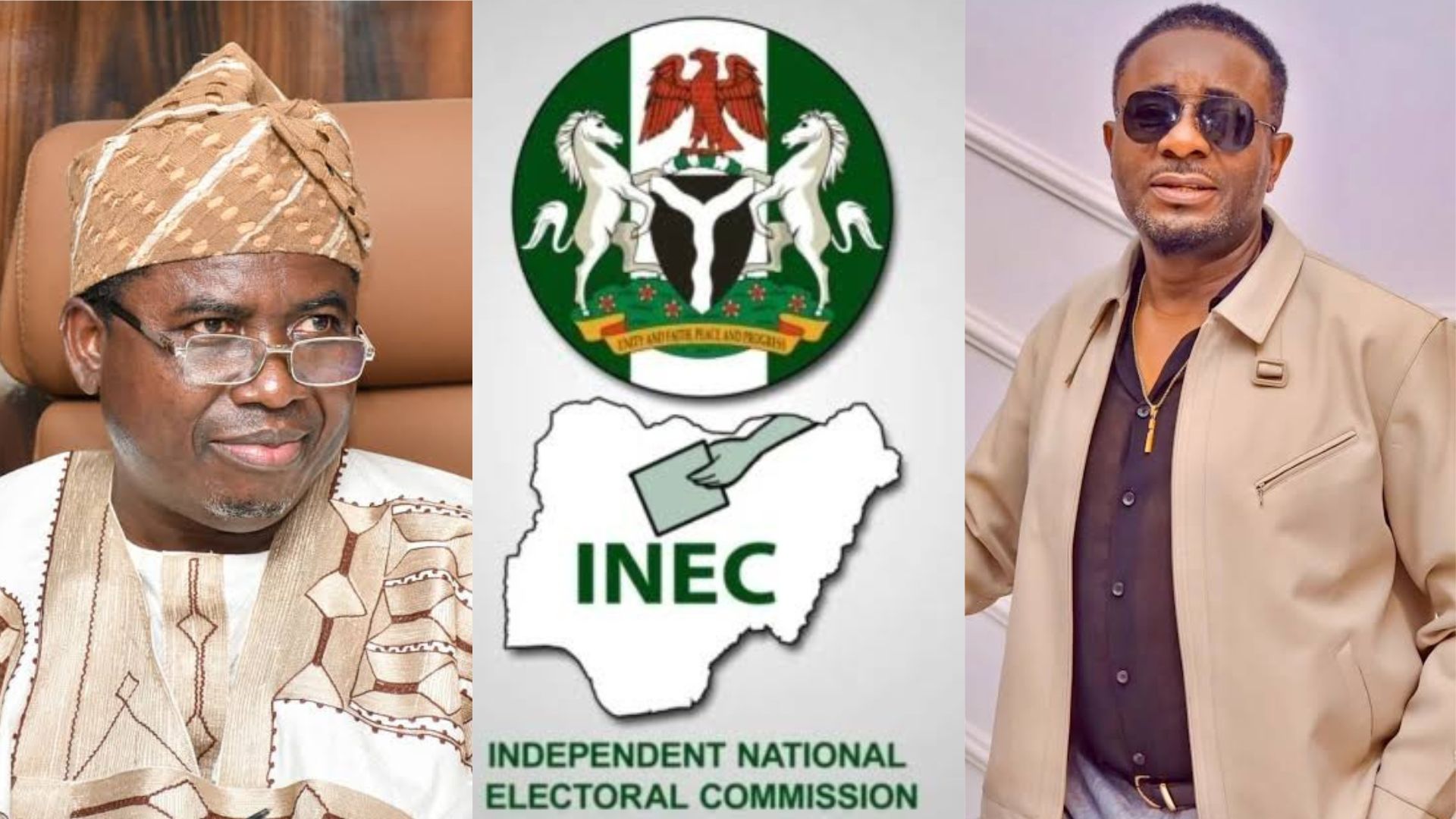
The Independent National Electoral Commission (INEC) has confirmed that it has traced the user account through which the voter registration details of actor and politician Emeka Ike were accessed, following a controversy involving Lere Olayinka, media aide to the Minister of the Federal Capital Territory (FCT), Nyesom Wike.
The controversy erupted after Olayinka published information from Emeka Ike’s voter registration record on social media. The details, which appeared to have originated from INEC’s administrative portal, sparked widespread concerns over data privacy, voter information security, and the possible misuse of sensitive government records.
The publication generated public outrage, with many Nigerians questioning how confidential voter data became publicly available and whether due process was followed in accessing the information. Civil society groups and election observers also called for a thorough investigation into the incident.
Responding to the concerns, INEC disclosed that its internal audit trail had successfully identified the specific user account used to access the voter information. According to the commission, preliminary findings have not revealed any evidence of an external cyberattack on its systems.
The electoral body stated that available evidence suggests the information may have been accessed through legitimate credentials assigned to personnel involved in voter registration and related electoral activities. This has intensified scrutiny over the handling of sensitive voter data within the commission’s operational framework.
INEC further revealed that the Department of State Services (DSS) has commenced an investigation into the matter while the commission continues its own internal review to determine the circumstances surrounding the access and publication of the voter record.
Observers note that the case extends beyond the individuals directly involved, raising broader concerns about the protection of personal information stored in government databases and the safeguards in place to prevent unauthorized disclosure.
Data protection advocates have argued that any confirmed misuse of voter information could undermine public confidence in electoral institutions and government data management systems. They have called for strict enforcement of existing data protection laws and accountability measures for any violations.
As investigations continue, attention remains focused on whether authorities will pursue legal action against any individual found to have improperly accessed or disclosed confidential voter information, regardless of political affiliation or status.