











NLC Disowns ₦40,000 Salary Adjustment, Demands Immediate Talks on New Minimum Wage
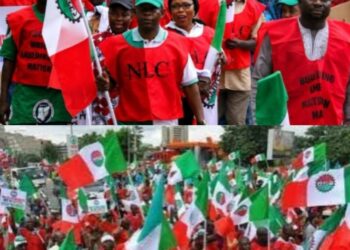
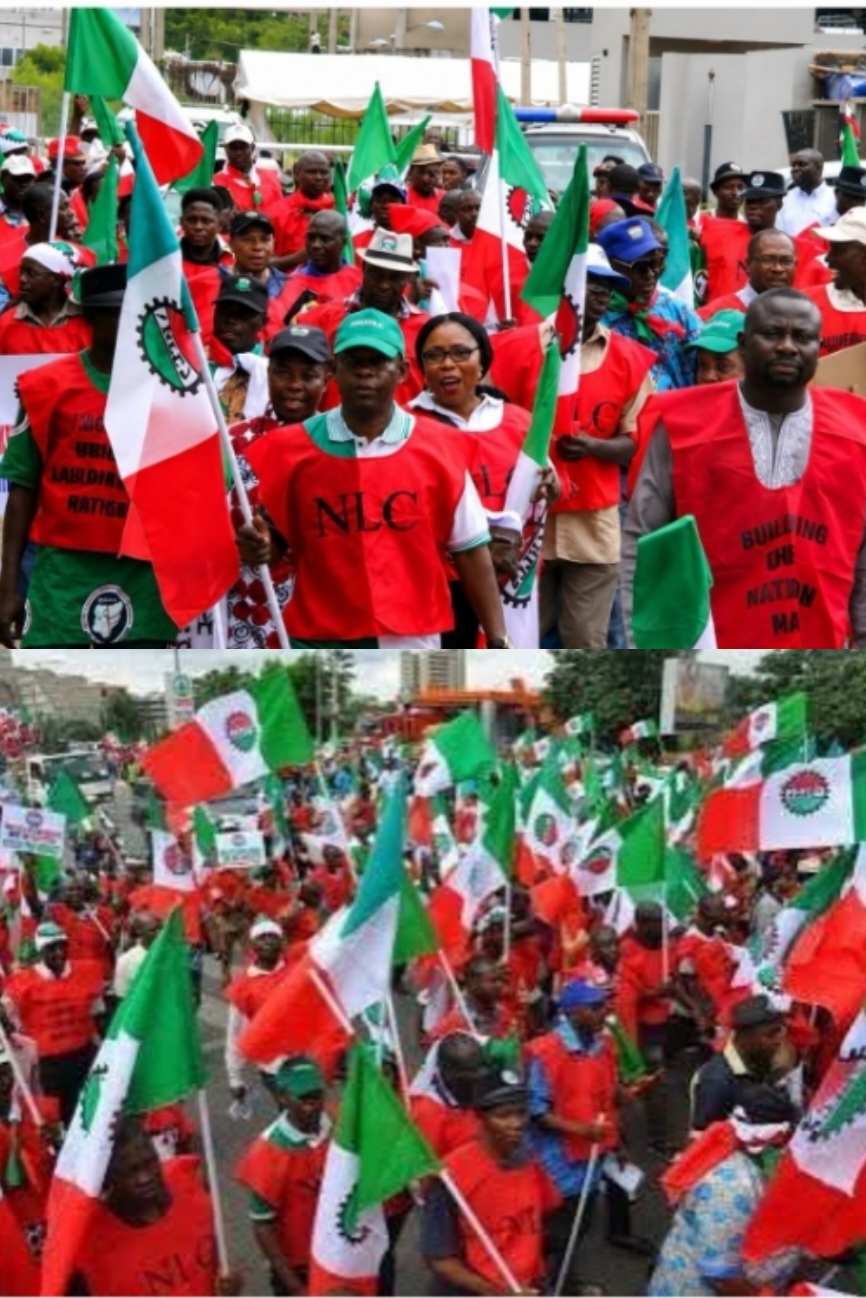
The Nigeria Labour Congress (NLC) has distanced itself from the ₦40,000 consequential salary adjustment granted to Federal Government workers following the implementation of Nigeria’s ₦70,000 national minimum wage, insisting that public-sector unions negotiated the adjustment, not the Congress.
The labour movement also says negotiations for a new national minimum wage should already be underway, warning that rising inflation and the increasing cost of living have significantly eroded the purchasing power of Nigerian workers.
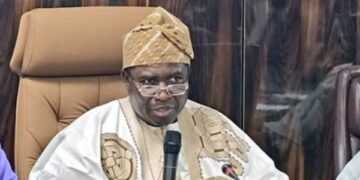
The position was contained in a statement issued on Sunday, November 8, 2026, and signed by the NLC’s Acting General Secretary, Comrade Benson Upah.
According to the Congress, its responsibility during minimum wage negotiations is to negotiate the national wage floor through a tripartite arrangement involving organised labour, the Federal Government and employers’ representatives.
However, it explained that consequential salary adjustments, which involve reviewing existing salary structures after a new minimum wage is introduced, are negotiated separately by unions representing workers in different sectors.
The NLC specifically identified the Joint Public Service Negotiating Council (JPSNC), comprising government representatives and approximately eight public-sector trade unions, as the body responsible for negotiating the ₦40,000 adjustment with the Federal Government.
It added that similar negotiating arrangements exist at the state level, while industrial unions negotiate salary adjustments with employers’ associations in the private sector.
The Congress described claims that it negotiated the ₦40,000 across-the-board salary adjustment as false, arguing that such allegations misrepresent Nigeria’s collective bargaining framework.
It maintained that the leadership of the respective public-sector unions should be held accountable for the outcome of the negotiations.
NLC Says New Minimum Wage Talks Should Begin
Beyond distancing itself from the ₦40,000 adjustment, the NLC has raised concerns about the delay in commencing negotiations for another national minimum wage.
Upah argued that the current economic realities have substantially diminished the value of the ₦70,000 minimum wage introduced in 2024.
He maintained that the amended minimum wage framework provides for a three-year review cycle, replacing the previous five-year arrangement.
According to the NLC, the three-year review period should not be arbitrarily shifted by either the government or organised labour.
The Congress argued that negotiations should have commenced earlier, insisting that the law provides for discussions to begin ahead of the expiration of the existing wage cycle.
It further maintained that even under the Federal Government’s interpretation of the commencement date, negotiations should already be starting.
Background to Nigeria’s ₦70,000 Minimum Wage
President Bola Tinubu signed the ₦70,000 national minimum wage into law on July 29, 2024, following negotiations between the Federal Government and organised labour.
The new wage replaced the previous ₦30,000 minimum wage and introduced a three-year review cycle.
The implementation subsequently triggered negotiations over consequential adjustments to existing salary structures, particularly for federal workers earning above the minimum wage.
The latest clarification from the NLC comes amid growing demands for improved workers’ welfare, as inflation, transportation expenses, food prices and other living costs continue to put pressure on household incomes.
The Congress says it will push for a new national minimum wage that more closely reflects the economic realities facing Nigerian workers and approximates a living wage.
It also promised to introduce measures to ensure that future consequential adjustment negotiations are handled by the appropriate institutions and produce better outcomes for workers.
The development is expected to renew debate over workers’ earnings, the next minimum wage review and the responsibility of government and organised labour to protect employees’ purchasing power.