










Gbajabiamila Admits Tinubu’s Fuel Subsidy Removal Has Made Life Difficult for Nigerians
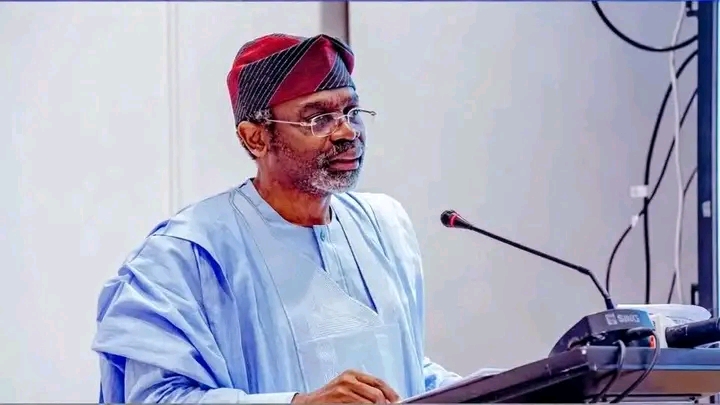
Chief of Staff to President Bola Tinubu, Femi Gbajabiamila, has admitted that the removal of petrol subsidy and other economic reforms introduced by the administration have made life difficult for Nigerians.
He, however, defended the policies, insisting that Tinubu made difficult decisions in the long-term interest of the country rather than prioritising short-term political gains.
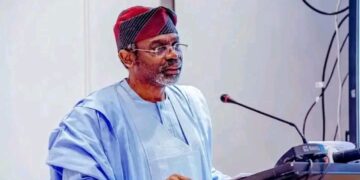
Gbajabiamila spoke on Tuesday in Abuja during the presentation of the administration’s 2027–2031 electoral roadmap, titled “From Reforms to Prosperity Agenda.”
He identified petrol subsidy removal and the unification of the foreign exchange market as necessary measures to address longstanding structural problems in the economy.
Acknowledging the hardship Nigerians are experiencing, he said the government must not pretend that life has become easy for ordinary citizens.
“Those decisions have placed real pressure on households. We must speak honestly about that experience because the people living through it deserve to be heard,” he said.
The former Speaker of the House of Representatives argued that Tinubu could have maintained the previous economic arrangements to avoid public criticism but chose to confront what he described as deep-rooted economic distortions.
According to him, the President decided to govern as a leader willing to make difficult decisions rather than as a politician concerned only about winning elections.
Gbajabiamila stressed that the ultimate justification for the reforms would be their ability to improve living standards, create economic opportunities and deliver prosperity to Nigerians.
He described the administration’s newly unveiled electoral roadmap as a reflection of Tinubu’s vision of building an economy where citizens can earn decent livelihoods through hard work.
He also described a political manifesto as a contract between elected leaders and the people, insisting that government policies must provide citizens with fair opportunities to succeed.
Gbajabiamila highlighted government interventions in education, social welfare, taxation and electricity as efforts to expand economic opportunities.
He specifically mentioned the N-Power programme and student loan scheme, saying they were designed to support young Nigerians and reduce financial barriers to education and employment.
On taxation, he said the administration’s reforms were intended to create a fairer system by reducing the burden on low-income earners and eligible small businesses.
He also cited the Electricity Act, which allows state governments to establish and regulate electricity markets within their jurisdictions, as a major step towards attracting investment and expanding electricity access.
The presidential Chief of Staff said the administration wanted to create an environment where young Nigerians could pursue their ambitions without depending on political connections or patronage.
He urged members and stakeholders of the All Progressives Congress (APC) to take responsibility for explaining the government’s policies and defending its record ahead of the 2027 general election.
Gbajabiamila maintained that the ruling party must convince Nigerians through its achievements rather than political promises.
He said the 2027 elections would provide voters with an opportunity to decide whether Tinubu’s administration should continue its reform programme or whether alternative approaches to governance should be adopted.