




















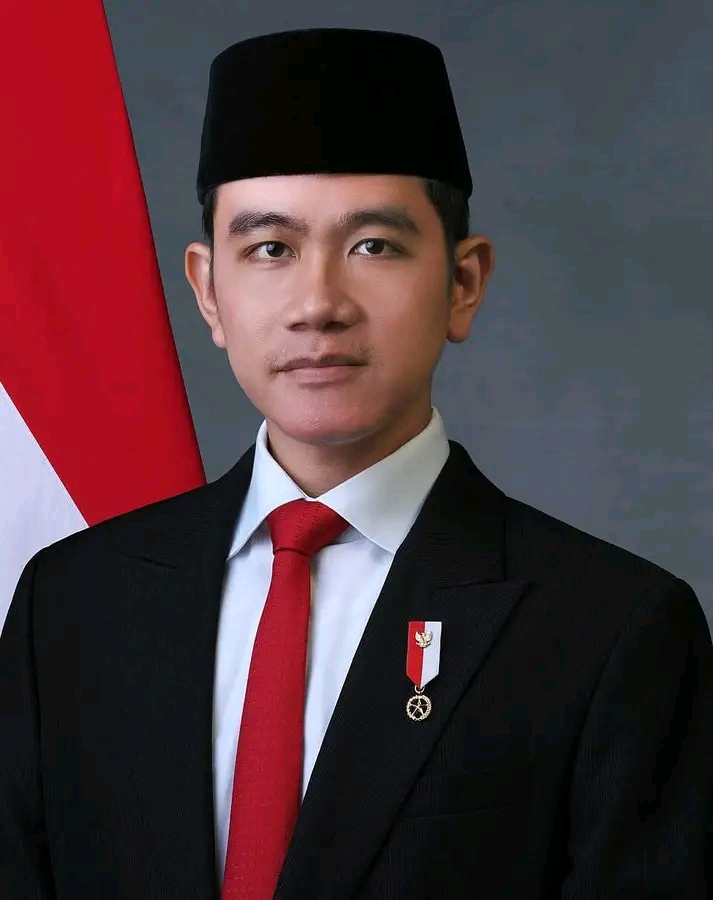
Indonesia Vice-President Gibran Resigns Amid Education Scandal As Prabowo Accepts Decision
JAKARTA, Indonesia — Indonesia’s Vice-President, Gibran Rakabuming Raka, has resigned from office following mounting controversy over his educational qualifications and growing pressure from lawmakers.
President Prabowo Subianto has accepted Gibran’s resignation, bringing an end to their political partnership in government, according to official statements released on Thursday, November 12, 2026.
The development followed weeks of controversy over court decisions questioning whether Gibran met Indonesia’s educational requirements for vice-presidential candidates.
Court Rulings Triggered Political Crisis
The controversy began with a ruling by Indonesia’s Constitutional Court on October 6, 2026.
The court said it found no convincing evidence that Gibran possessed a foreign diploma, certificate or degree establishing that he had completed senior secondary education or an equivalent qualification, as required by the country’s Election Law.
However, the court dismissed the petition seeking to disqualify him, explaining that the legal process was no longer appropriate for challenging the 2024 presidential election after the elected ticket had been inaugurated. MKRI
The controversy intensified on October 30 when Indonesia’s Supreme Court annulled the validity of an equivalency certificate that Gibran had relied upon to demonstrate that his overseas education met the country’s secondary-school requirement.
Gibran attended Orchid Park Secondary School in Singapore and UTS Insearch in Australia before obtaining a bachelor’s degree from the Management Development Institute of Singapore (MDIS).
His university education notwithstanding, the legal dispute centred on whether his submitted documents satisfied the specific educational requirements for vice-presidential candidates.
120 Lawmakers Backed Impeachment Initiative
The judicial developments triggered fresh political pressure, with 120 lawmakers from eight political parties reportedly signing a petition challenging Gibran’s eligibility to remain vice-president.
The lawmakers argued that the court decisions had established that he did not meet the constitutional and electoral requirements for the position.
The proposed parliamentary action could have opened the way for impeachment proceedings against him.
However, Gibran’s resignation came before the parliamentary process could advance to a final decision.
Gibran Formally Submits Resignation to Parliament
Gibran’s intention to resign emerged on Tuesday, November 10, following a meeting with President Prabowo that reportedly lasted approximately two and a half hours.
Indonesia’s State Secretary, Prasetyo Hadi, disclosed that the vice-president had communicated his intention to step down during the meeting.
On Wednesday, November 11, Budi Arie Setiadi, chairman of Projo, a political organisation associated with former President Joko Widodo, confirmed that Gibran had submitted his resignation letter to Prabowo.
On Thursday, November 12, Gibran personally submitted his resignation letter to the People’s Consultative Assembly (MPR), Indonesia’s upper parliamentary chamber.
The assembly’s Speaker, Ahmad Muzani, confirmed that Gibran personally delivered the letter during a meeting at the parliamentary complex in Jakarta.
He reportedly requested that the assembly process his resignation.
Prabowo Accepts Resignation
President Prabowo subsequently confirmed that he had accepted Gibran’s resignation, describing the decision as difficult while praising his deputy’s contributions to the administration.
Prabowo said Gibran had assisted him in governing the country and had performed his responsibilities well.
Gibran, however, maintained that his decision to step down was personal and should not be interpreted as an admission that he was unqualified for office.
In a video address, he said his departure was intended to prevent the controversy from becoming a prolonged distraction and allow the government to move forward. He also maintained that his educational documents were complete.
MPR to Begin Process of Selecting Replacement
Gibran’s departure has triggered a constitutional process to fill Indonesia’s vacant vice-presidential position.
Under the country’s constitutional arrangements, the MPR must formally declare the vacancy and seek two replacement nominees from the president.
The assembly is expected to select a replacement within 60 days.
Gibran’s resignation is particularly significant because he is the first Indonesian vice-president to leave office before completing his term in the country’s post-1998 democratic era.
Political Implications for Prabowo and Jokowi
Gibran’s resignation also raises questions about the future of the political alliance between Prabowo and former President Joko Widodo, popularly known as Jokowi.
Gibran is Jokowi’s eldest son and became Prabowo’s running mate in the 2024 presidential election.
Their candidacy attracted widespread controversy after a Constitutional Court decision in 2023 created an exception to the minimum presidential and vice-presidential age requirement of 40, allowing Gibran, then 36, to contest the election.
The ruling was controversial because the court was presided over by Anwar Usman, Jokowi’s brother-in-law at the time.
Prabowo and Gibran subsequently won the 2024 election and assumed office on October 20, 2024.
Following Gibran’s resignation, Jokowi publicly expressed support for Prabowo’s administration, pledging continued backing for government programmes that serve the public interest.
The development could help ease concerns about a possible political confrontation between the two influential political figures.
Meanwhile, Prabowo’s government continues to face criticism over economic challenges, fiscal concerns and controversies surrounding its flagship free school meals programme.
Gibran’s departure therefore represents a significant political development for Indonesia, raising fresh questions about the country’s leadership, constitutional accountability and the future of the coalition that brought Prabowo to power.
Editorial accuracy note: The headline deliberately avoids suggesting that a court conclusively established that Gibran never completed high school. The Constitutional Court said it found no convincing evidence of the required overseas educational qualification, while the Supreme Court invalidated the equivalency certificate. Gibran disputes the suggestion that his qualifications were incomplete and says his resignation was a personal decision.