
























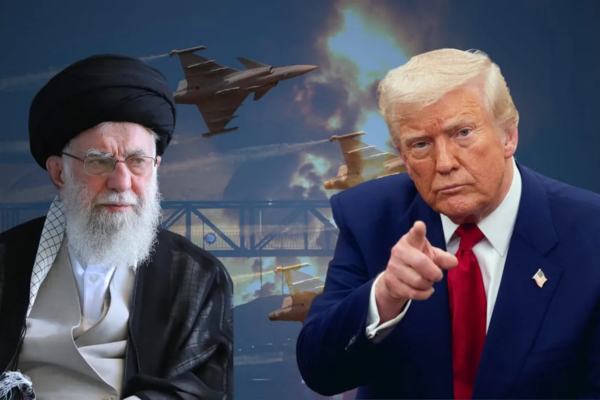
The Trump Iran war has entered a dramatic and dangerous new chapter as US President Donald Trump made his position crystal clear here will be no peace deal, no negotiations, and no ceasefire until Iran delivers
one thing and one thing only: unconditional surrender.
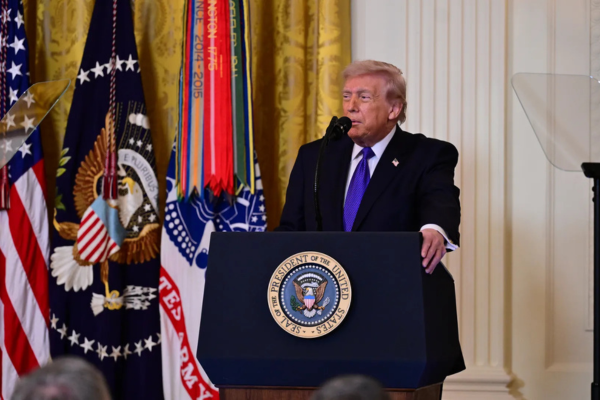
The statement, posted on Trump’s Truth Social platform on Friday March 6, sent immediate shockwaves through global financial markets and further complicated what is already the most volatile geopolitical crisis in decades.
The Dow Jones Industrial Average dropped more than 900 points within hours of the post, while oil prices surged past $90 per barrel as the world processed what the demand truly means.
Trump Iran War: The Unconditional Surrender Demand
Trump’s message left no room for interpretation. He stated that only after Iran’s full and unconditional surrender followed by the selection of what he called a “great and acceptable” new leadership would the United States
and its allies commit to helping rebuild the country economically.
The demand comes on Day 7 of the conflict, which began on February 28 when the United States and Israel launched coordinated strikes on Iran killing Supreme Leader Ayatollah Ali Khamenei and triggering a war that has since spread far beyond Iran’s borders. Six American service members havebeen killed since military operations began.The war is costing the United States an estimated $1 billion per day.
Earlier in the week, Trump urged Iranian regime leaders to surrender n exchange for immunity, saying: “You’re going to have a chance after all these years take back your country, accept immunity.”
Iran Pushes Back on Trump Iran War Ceasefire Terms
Tehran is not playing along. Iran’s Foreign Minister Abbas Araghchi dismissed any possibility of negotiations, saying there is “no reason why we should negotiate” and describing Washington as untrustworthy.
Iran has fired over 500 ballistic and naval missiles and nearly 2,000 drones since February 28, with roughly 40 percent aimed at Israel and 60 percent directed at US targets across the region. Strikes have been reported in Israel, Turkey, Bahrain, the UAE, Azerbaijan, and on US embassies in Saudi Arabia and Kuwait, making this one of the most geographically widespread conflicts in modern Middle Eastern history.
Congress Tries And Fails to Stop the Trump Iran War
Back in Washington, efforts to rein in Trump’s military authority have collapsed twice in the space of 48 hours. The Senate rejected a war powers resolution 47 to 53 in a procedural vote , and the House followed with a 219 to 212 vote against a separate resolution that would have required congressional approval for any further military action.
Critics have argued that Trump exceeded his constitutional authority by launching the war without congressional approval. Supporters counter that the president acted within his rights given the national security threat Iran posed. For now, Trump retains full authority to continue military operations and shows no sign of slowing down.
The Trump Iran War Is Already Shaking the Global Economy
Beyond the battlefield, the economic ripple effects are severe and growing. Qatar’s energy minister warned that rising oil prices due to the conflict “could bring down the economies of the world,” with crude potentially hitting $150 per barrel if tankers cannot pass through the Strait of Hormuz.
The Strait of Hormuz is virtually blocked, directly threatening the world’s oil trade a development that affects every country on the planet, including Nigeria, where fuel prices are already underenormous pressure.
For the very latest updates on the Trump Iran war as it unfolds, follow Al Jazeera’s live coverage here.
One thing is certain the world is watching, oil markets are rattled, and with Trump demanding unconditional surrender and Iran refusing to negotiate, a resolution to this crisis does not appear to be coming anytime soon.
📢 Share this update. The world needs to know what is happening.