


















The Federal Government has announced plans to end the existing separation between Junior Secondary School (JSS) and Senior Secondary School (SSS) in Nigerian schools as part of a major education reform.
The government said the current “disarticulation policy” has failed to improve learning outcomes and has contributed to the increasing number of students dropping out before completing secondary education.
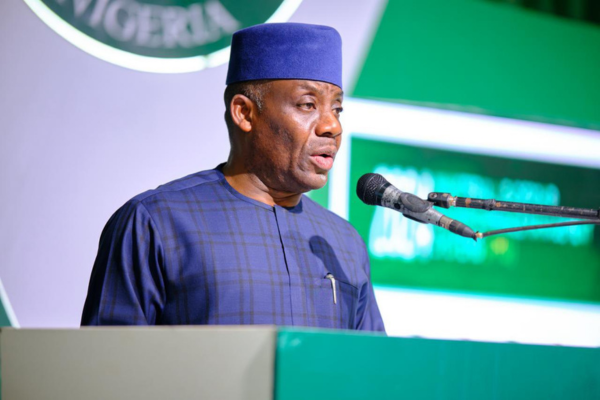
Minister of Education, Dr. Tunji Alausa, disclosed this in Abuja during the inauguration of the Universal Basic Education Commission (UBEC) Ministerial Implementation and Monitoring Committee for Smart Schools, Bilingual Schools, and Alternative Schools.
Alausa explained that the policy, which created separate administrative structures for JSS and SSS with different principals, would be presented to the National Council on Education (NCE) for review and possible abolition.
According to the minister, the current arrangement has created administrative challenges, disrupted students’ smooth transition between school levels, and worsened the number of adolescents leaving school.
He revealed that Nigeria currently has about 80,000 public primary schools but only around 15,000 junior secondary schools, creating a major infrastructure gap that leaves many pupils without access to secondary education.
Alausa said the shortage has resulted in overcrowded junior secondary schools while some senior secondary school facilities remain underused.
“We have over 20 million children dropping out between primary school and junior secondary school,” he said, adding that the government would no longer maintain structures that negatively affect the education system.
The minister stated that the Federal Government plans to replace the current system with a compulsory, uninterrupted 12-year basic education structure that will allow students to progress from primary school through the end of secondary education without disruption.
Meanwhile, the Executive Secretary of UBEC, Dr. Aisha Garba, announced that 37 modern Smart Schools have been established across the country, with 24 already operational.
She also disclosed that 30 specialised schools have been built under the UBEC–Islamic Development Bank Bilingual Education Programme to expand access to education for underserved communities.