























Biotechnology Can Rescue Nigeria From Food Crisis, Malnutrition
Minister of Education, Dr Tunji Alausa, has identified biotechnology as a key tool for tackling food insecurity and malnutrition in Nigeria, urging stronger collaboration among researchers, government agencies and private-sector organisations.
Alausa made the call on Wednesday at the fifth International Conference on Biotechnology for Food Security and Human Health in Abuja. He was represented by the Secretary-General of the Nigerian National Commission for UNESCO, Dr Idowu Olagunju.
He said climate change, population growth, emerging diseases and disruptions to food supply chains were placing increasing pressure on Nigeria’s agricultural and healthcare systems.
According to him, traditional approaches alone may no longer be sufficient to address the growing challenges, making scientific innovation essential.
“Traditional methods alone can no longer keep pace with these compounding problems and demands. So, biotechnology is the answer,” he said.
The minister explained that biotechnology could boost agricultural productivity, improve the nutritional content of food crops and support the development of medical treatments, including vaccines and gene therapies.
He added that improved crop varieties resistant to pests and diseases could increase farmers’ yields and strengthen food production against environmental challenges.
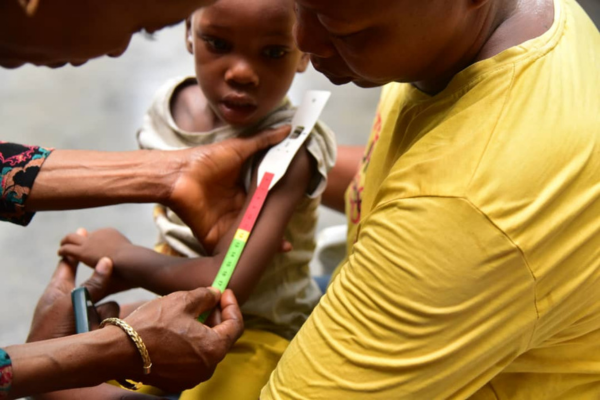
Alausa also highlighted biofortification, which increases the nutritional value of crops, as a potential solution to nutrient deficiencies, particularly among vulnerable populations.
However, he warned that scientific breakthroughs would have limited impact if they remained in laboratories without reaching the communities that needed them.
“The true power of scientific innovation does not lie within the walls of the laboratory. It lies in its application, accessibility, and scalability,” he said.
He called for stronger partnerships among research institutions, government agencies, industries, private companies and civil society organisations to improve funding, strengthen regulatory systems and accelerate the adoption of biotechnology.
Alausa urged participants to develop practical recommendations that could help industries and improve food security across Nigeria and Africa.
Speaking at the conference, the Foundation Executive Director of the International Centre for Biotechnology, Nsukka, Emeritus Professor Umezuruike Okpara, called for greater public understanding of genetic modification.
Okpara maintained that biotechnology should be assessed based on its safe and responsible application rather than public fears surrounding the technology.
He said scientific methods could improve seed quality and help researchers develop crops with desirable characteristics, including higher yields.
“The way we produce crops and what we eat now are not the same as what our grandparents had before. With scientific methodology, we can improve the quality of seeds,” he said.
Okpara described genetic modification as a tool for agricultural development, noting that Nigeria already has a regulatory framework governing modern biotechnology.
The National Biosafety Management Agency (NBMA) is responsible for regulating modern biotechnology and genetically modified organisms under the country’s legal framework.
He urged stakeholders to prioritise safety and public education, stressing that biotechnology should be viewed as a tool whose benefits depend on how it is applied.
“It’s just a tool,” he said.
The biotechnology expert also disclosed that six memoranda of understanding had been signed with institutions in Nigeria, South Africa and other African countries to promote research collaboration, knowledge sharing and access to funding.
He said partnerships would enable institutions to combine expertise and resources, undertake joint research and expand their scientific and economic impact.
“You cannot do science alone if you want to achieve the widespread economic impact you desire. You cannot do it alone,” he said.
According to Okpara, the agreements are expected to support joint research projects, training programmes, collaborative grant applications and resource sharing.
He further highlighted the importance of partnerships between universities and industries, citing research programmes supported through collaborations involving institutions in Nigeria, Kenya, South Africa and the United Kingdom.
The conference is expected to strengthen research capacity and create opportunities for scientists and industry stakeholders to develop initiatives addressing food security, bioresources conservation and tropical diseases.
The discussions come amid persistent food access challenges in Nigeria, driven by insecurity, climate-related shocks, high agricultural input costs and broader economic pressures.
A September 2026 country brief by the Food and Agriculture Organization estimated that approximately 36.3 million Nigerians faced acute food insecurity during the June-to-August lean season.
The figure underscores the need for interventions that increase agricultural production, reduce post-harvest losses and make nutritious food more affordable.
Biotechnology could contribute through crops with improved resistance to pests and diseases, enhanced nutritional qualities and greater tolerance to environmental stress.
However, its effectiveness will depend on sustained research investment, responsible regulation, access to appropriate technologies and farmers’ ability to adopt suitable innovations.
Experts also stress that biotechnology cannot independently resolve Nigeria’s food crisis. It must complement broader efforts to address insecurity, inadequate infrastructure, food wastage and rising production costs.
Nigeria enacted the National Biosafety Act in 2015, establishing a legal framework for regulating modern biotechnology and genetically modified organisms through the NBMA.
The framework is designed to protect human health and the environment while providing oversight for the responsible application of biotechnology.
Effective implementation, public engagement and transparent regulation will remain essential as Nigeria explores scientific solutions to agricultural and healthcare challenges.
The conference, organised by the UNESCO International Centre for Biotechnology in partnership with the Postharvest and Agroprocessing Research Centre of the University of Johannesburg, South Africa, began on Wednesday and was scheduled to end on Thursday.
Held ahead of World Food Day on October 16, the event provides a platform for researchers, policymakers and industry representatives to explore collaborative approaches to food insecurity and public health challenges.
Alausa’s call highlights the potential of biotechnology to strengthen food production, improve nutrition and advance medical research.
However, translating these opportunities into meaningful results will require adequate funding, effective oversight and affordable access to innovations for farmers, consumers and healthcare providers across Nigeria and Africa.