









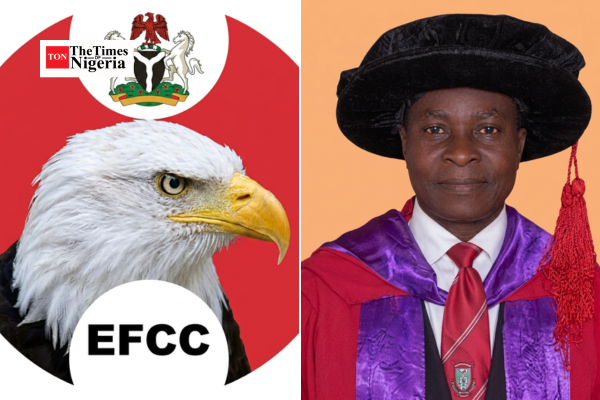
The Economic and Financial Crimes Commission (EFCC) has issued a formal apology to Professor Eyo Ekpe and members of the Nigerian Medical Association (NMA) following the highly controversial raid at the University of Uyo Teaching Hospital. The official statement, released on Monday, May 18, 2026, via the anti-graft agency’s verified X handle, comes in the wake of widespread public outrage and ongoing strike actions by medical professionals in Akwa Ibom State.
The crisis began on May 12, when armed EFCC operatives entered the hospital premises to authenticate a suspected fake medical report, resulting in a violent confrontation and the arrest of Professor Ekpe, the Deputy Chairman of the Medical Advisory Committee of UUTH, alongside four other staff members.
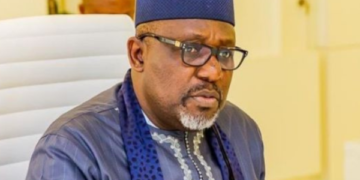
According to the corporate statement, the Executive Chairman of the EFCC, Mr. Ola Olukoyede, ordered the apology after receiving and evaluating a preliminary report on the clash. The anti-graft boss expressed deep regret over the discomfort and disruption the incident caused to the hospital staff, the medical community, and patients relying on the facility for healthcare delivery.
The commission revealed that an internal investigation is fully underway to dissect the operational lapses that led to the assault. Olukoyede assured the public and professional bodies that once the exercise is finalized, any operative found to have breached the commission’s standard code of professional conduct will face strict internal disciplinary sanctions.
Despite the EFCC’s public apology and expression of regret, the industrial friction sparked by the incident is only partially resolved. Following the assault, the Akwa Ibom State branch of the NMA had initially declared a total and indefinite strike across all public healthcare facilities in the state.
Although the association suspended the strike action in other state-owned hospitals to alleviate public suffering, the NMA has vowed to sustain the total shutdown at the University of Uyo Teaching Hospital until all its core demands are addressed. The national body of the NMA has also heavily condemned the high-handedness of the operatives, demanding institutional accountability and the prosecution of the individual officers involved in the physical molestation of its members.
While seeking a collaborative relationship with the NMA and other professional groups to prevent a repeat of such friction, the EFCC emphasized that this specific setback would not deter its investigators from enforcing its anti-corruption mandate.
The agency reiterated that weeding out financial crimes including the forgery of official medical documents used to evade justice remains a critical national assignment. Olukoyede called on medical professionals to view the commission as a partner in progress and to continue supporting its delicate work across the country.