























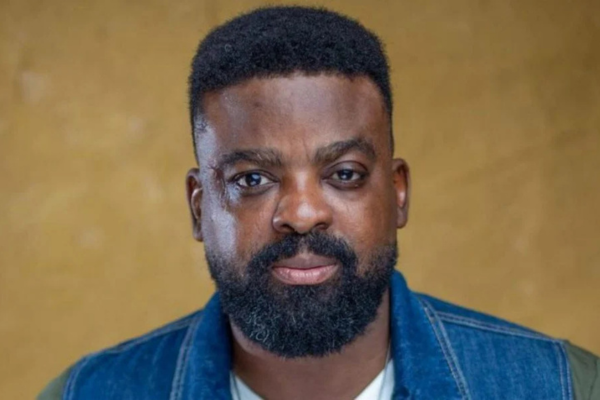
Nollywood filmmaker Kunle Afolayan has attributed the growing shift by Nigerian filmmakers to YouTube to the prevailing exchange rate between the naira and the US dollar.
Afolayan spoke during a recent interview with former Finance Minister Kemi Adeosun, where he questioned the increasing preference for YouTube over major streaming platforms such as Netflix and Prime Video.
The filmmaker argued that YouTube does not provide the same opportunities or value as established streaming platforms.
“Nollywood producers rushing to YouTube is not the way to go. YouTube can never give you what Netflix and Prime would give you,” he said.
However, Afolayan acknowledged that YouTube can be useful to emerging filmmakers who lack the resources, connections or bargaining power to secure deals with major streaming companies.
He said the platform provides an accessible avenue for producers who cannot afford theatrical distribution or attract major streaming deals.
According to Afolayan, the strength of the dollar against the naira has made YouTube particularly attractive to Nigerian filmmakers.
He explained that filmmakers earning revenue in dollars can convert their earnings into substantial naira amounts under the current exchange-rate conditions.
“Nigerian filmmakers are rushing to YouTube because of the dollar exchange rate,” Afolayan said.
He noted that reaching one million views on YouTube can become a major incentive for filmmakers because the resulting dollar earnings translate into significant naira revenue.
The filmmaker suggested that the attraction could reduce if the naira gains considerable strength against the dollar.
Despite his criticism, Afolayan said YouTube remains an important entry point for independent producers.
He noted that anyone can create an account, upload a film and potentially generate income if the production attracts enough viewers.
Afolayan’s comments highlight how Nigeria’s currency crisis and dollar-denominated digital earnings are increasingly influencing distribution decisions in Nollywood.
While he believes YouTube cannot replace the opportunities offered by major streaming platforms, he sees it as a useful option for filmmakers seeking an accessible route into the digital market.