
























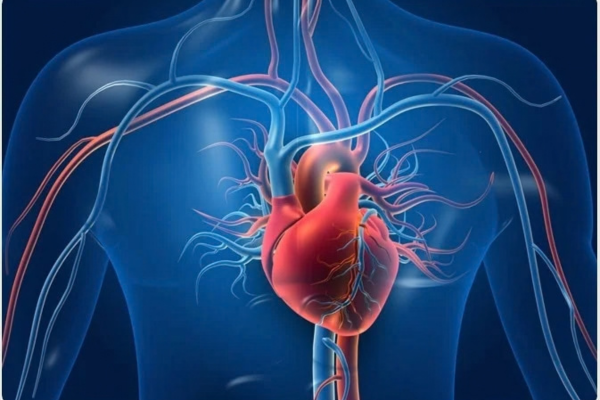
Regular exercise is one of the most effective lifestyle habits for maintaining a healthy heart and reducing the risk of cardiovascular disease.
Here are 10 important ways physical activity can strengthen heart health:
1. Strengthens the Heart Muscle
Like other muscles, the heart becomes stronger and more efficient with regular exercise.
Activities such as walking, jogging, cycling and swimming help the heart pump blood more effectively.
This allows oxygen and nutrients to reach the body with less effort.
2. Helps Lower Blood Pressure
Regular physical activity can help lower blood pressure by improving the efficiency of the cardiovascular system.
A healthier heart can pump blood with less force, reducing pressure on the arteries.
Maintaining healthy blood pressure can reduce the risk of heart disease and stroke.
3. Improves Cholesterol Levels
Exercise can contribute to healthier cholesterol levels.
It may increase high-density lipoprotein (HDL), often called “good” cholesterol, while helping manage low-density lipoprotein (LDL) cholesterol and triglycerides.
Combined with a balanced diet, exercise can improve overall cardiovascular health.
4. Supports Healthy Blood Sugar
Exercise helps the body use insulin more effectively and regulate blood glucose levels.
Better blood sugar control can reduce the risk of developing type 2 diabetes.
This is important because diabetes can increase the risk of cardiovascular complications.
5. Helps Reduce Inflammation
Chronic inflammation can contribute to cardiovascular disease.
Regular physical activity may help reduce certain inflammation markers in the body, including C-reactive protein (CRP).
This can support healthier long-term heart function.
6. Supports Healthy Weight
Regular exercise helps the body use energy and manage excess body fat.
When combined with healthy nutrition, physical activity can support healthy weight management.
Maintaining a healthy weight can also improve blood pressure, cholesterol and blood sugar levels.
7. Can Lower Resting Heart Rate
A stronger heart does not need to beat as frequently to circulate blood efficiently.
Regular cardiovascular exercise can therefore contribute to a lower resting heart rate in many people.
This can be a sign of improved cardiovascular fitness.
8. Supports a Healthy Heart Rhythm
Regular physical activity supports overall cardiovascular fitness and may help reduce the risk of some heart rhythm problems.
However, people with existing heart conditions or unexplained palpitations should consult a healthcare professional before starting a new exercise programme.
9. Reduces the Risk of Heart Attack and Stroke
Regular exercise can help reduce several major risk factors associated with heart disease.
These include high blood pressure, unhealthy cholesterol levels, excess weight and poor blood sugar control.
By addressing these factors, physical activity can help lower overall cardiovascular risk.
10. Improves Endurance and Energy
Exercise improves the body’s ability to deliver and use oxygen efficiently.
As fitness improves, everyday activities such as walking, climbing stairs and working may become easier.
Improved endurance can also enhance quality of life and encourage people to remain physically active.
Consistency Is Key
The amount of exercise needed varies according to a person’s age, health and fitness level.
For many adults, combining moderate-intensity aerobic activity with muscle-strengthening exercises can provide significant health benefits.
People should start gradually and increase their activity over time.
Those with existing medical conditions, those who have been inactive for a long period or anyone experiencing symptoms during exercise should seek appropriate medical advice.
Regular exercise can strengthen the heart, improve blood pressure, support healthier cholesterol and blood sugar levels, and help maintain a healthy weight.
Most importantly, consistency matters. Making suitable physical activity part of everyday life can help build a stronger cardiovascular system and reduce risk factors linked to heart disease and stroke.