



















By Samuel Abasiekong-Abasiekong
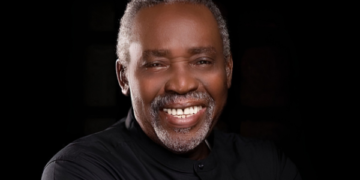
Prominent broadcaster and political analyst Reuben Abati has reportedly launched a strong criticism against President Bola Ahmed Tinubu and the ruling All Progressives Congress over allegations of vote-buying and the seizure of voters’ cards during elections.
In remarks that have sparked widespread public debate, Abati allegedly questioned why economically vulnerable Nigerians are being targeted with financial inducements at polling centres, arguing that democracy is endangered when poverty becomes a tool for political manipulation.
According to the comments attributed to him, the veteran analyst warned that the nation’s democratic values are weakened when citizens are forced to exchange their voting rights for survival amid worsening economic hardship. He maintained that the dignity of ordinary Nigerians should never be reduced to transactional politics, particularly at a time when many citizens feel burdened by inflation, unemployment, and rising living costs.
The remarks have generated mixed reactions across the political landscape, with many Nigerians describing the allegations as evidence of deepening mistrust in the country’s electoral system. Some political observers and civil society voices have called for a thorough investigation into claims of voter inducement and the alleged confiscation of voter cards, insisting that anyone found culpable should face prosecution.
Others, however, argue that allegations surrounding elections should be backed with concrete evidence to avoid inflaming political tensions or undermining confidence in democratic institutions.
Beyond partisan politics, the controversy has reignited broader concerns about poverty and voter vulnerability in Nigeria. Analysts say the debate reflects growing fears that economic hardship is increasingly being exploited during elections, raising questions about whether citizens can freely exercise their democratic rights without coercion or manipulation.
The development has further intensified discussions on electoral integrity, accountability, and the urgent need for reforms capable of restoring public confidence in Nigeria’s democratic process.
©️
Samuel Abasiekong-Abasiekong
Editor-in-Chief, The Times of Nigeria