





















cooking gas prices in Nigeria
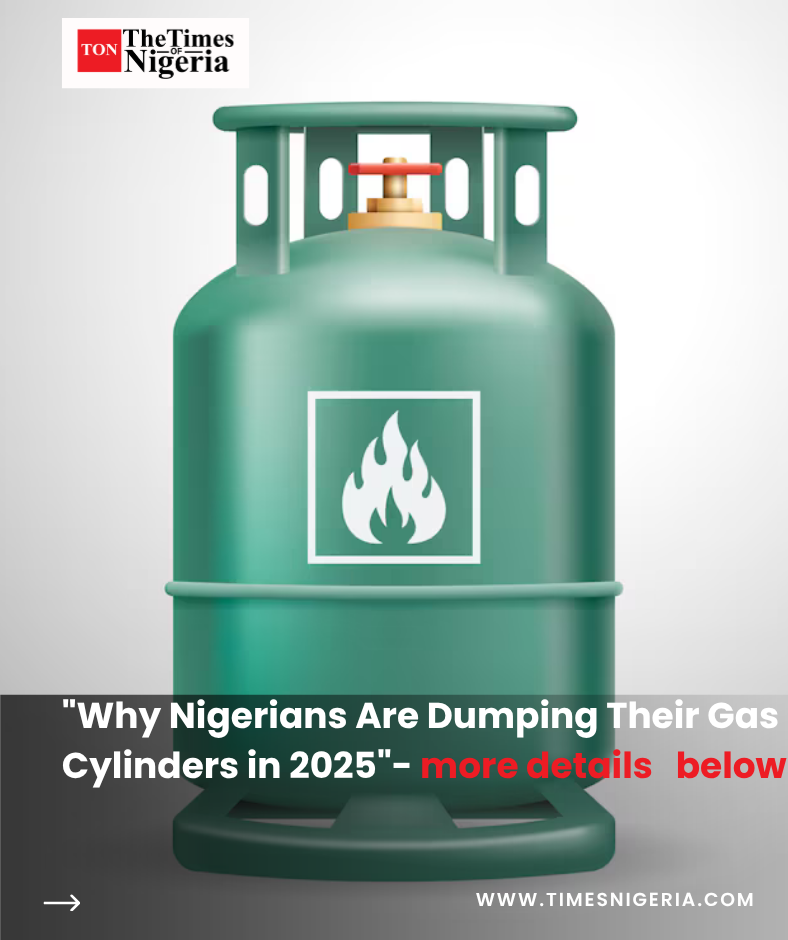
Cooking gas prices in Nigeria have hit new painful highs in 2025, with gas dealers across the country releasing updated and significantly increased rates for 1kg, 5kg, and 12kg cylinders.
The latest price surge is delivering a fresh wave of economic hardship to millions of Nigerian households already struggling under the weight of inflation, a weakened naira, and rising living costs.
As the situation worsens, many families are abandoning their gas cookers entirely, retreating to charcoal and firewood a development that experts say signals a deepening energy affordability crisis in Africa’s most populous nation.
New Cooking Gas Prices Released by Dealers Across Nigeria
According to reports from Legit.ng, gas dealers operating across major
Nigerian cities have officially released their new price lists, reflecting substantial
increases across all popular cylinder sizes. The updated cooking gas prices
in Nigeria are as follows:
- 1kg cylinder: Prices have climbed sharply, now retailing at rates that were previously associated with larger cylinder sizes just months ago.
- 5kg cylinder: The 5kg refill, commonly used by middle income households, has seen a notable jump that many consumers describe as unbearable.
- 12kg cylinder: The 12kg refill a staple for larger families and small businesses has surged to levels that dealers acknowledge are straining customer demand significantly.
Dealers attribute the price hikes to a combination of factors, including the continued depreciation of the Nigerian naira against the US dollar, increased importation costs for Liquefied Petroleum Gas (LPG), and the ongoing impact of the fuel subsidy removal policy that has sent ripple effects across all energy sectors in the country.
Why Cooking Gas Prices in Nigeria Keep Rising
The consistent upward movement of cooking gas prices in Nigeria is not a new phenomenon, but the pace at which it has accelerated in recent months has caught many consumers and policy analysts off guard.
Nigeria imports a significant portion of its LPG supply despite being one of Africa’s top crude oil producers a structural irony that continues to leave ordinary Nigerians at the mercy of global commodity markets and foreign exchange volatility.
Industry insiders note that the removal of government subsidies on petroleum products,a policy reform initiated by the current administration, has directly contributed to elevated energy costs nationwide.
With the naira trading at record lows against major currencies, every dollar spent importing LPG translates to a heavier burden on the final consumer.
Gas dealers, unable to absorb the losses themselves, are passing every kobo of the increased cost directly to buyers.
Cooking gas prices in Nigeria have more than doubled over the past 18 months, according to consumer price tracking data, putting enormous pressure on households that had previously transitioned from traditional cooking methods to cleaner LPG options as part of broader health and environmental goals.

Nigerians Abandon Gas Cookers, Return to Charcoal and Firewood
Perhaps the most alarming consequence of the current cooking gas prices in Nigeria crisis is the mass reversal of clean cooking adoption across the country.
Millions of Nigerians who had made the shift to LPG cooking often with encouragement from government campaigns and health organizations are now returning to charcoal and firewood as the only financially viable options available to them.
Market vendors selling charcoal and firewood in cities like Lagos, Abuja, Kano, Port Harcourt, and Onitsha report a dramatic surge in demand over recent weeks.
“People are coming back in large numbers,” one charcoal seller in Lagos told local reporters.
“They say the gas is too expensive. Even people who said they would never use firewood again are buying from us.”
This reversal carries serious public health implications.
The World Health Organization (WHO) has long warned that indoor air pollution from burning charcoal and firewood is a leading cause of respiratory diseases, particularly in women and children who spend the most time near cooking areas.
Nigeria’s return to these traditional fuels risks undoing years of progress made in reducing household air pollution.
Consumer Reactions: Frustration and Desperation
Ordinary Nigerians have not held back in expressing their frustration over the rising cooking gas prices in Nigeria.
Social media platforms have been flooded with complaints, with many users sharing photos of their empty or half filled gas cylinders alongside screenshots of the new price lists circulating among dealers.
“I used to spend a certain amount to fill my 12kg cylinder, and now I need almost double that for the same amount of gas,” one Lagos resident wrote on X (formerly Twitter).
“How are ordinary people supposed to survive this?”
A petty trader in Abuja expressed similar sentiments: “I use gas for my small food business.
With these new prices, my profit is completely wiped out.
I am considering going back to firewood even though I know it is not good for my health.”
These voices reflect a broader national mood of exhaustion and economic despair as Nigerians navigate one of the most difficult cost of living periods in the country’s recent history.
Government and Regulatory Response
As cooking gas prices in Nigeria continue to climb, calls are growing louder for the federal government and regulatory bodies such as the
Nigerian Midstream and Downstream Petroleum Regulatory Authority (NMDPRA) to intervene with concrete measures to stabilize the market.
Some energy policy advocates are calling for the reintroduction of targeted subsidies specifically for LPG, arguing that cooking gas is not a luxury but a basic household necessity that directly impacts the health and productivity
of millions of Nigerians.
Others are pushing for accelerated investment in domestic LPG production and distribution infrastructure to reduce the country’s heavy dependence on imports.
The government has yet to release an official statement directly addressing the latest round of price increases, though energy ministry officials have previously acknowledged that the LPG market faces structural challenges that require long term policy solutions.
Critics argue, however, that long term solutions offer little comfort to families who cannot afford to cook their next meal today.

Broader Energy Crisis and What It Means for Nigeria
The surge in cooking gas prices in Nigeria is part of a wider energy affordability crisis gripping the nation.
Electricity tariffs have risen steeply following regulatory reforms, petrol prices remain elevated after subsidy removal, and diesel critical for powering generators that
Nigerians rely on due to chronic grid failures continues to trade at prohibitive levels.
Together, these overlapping energy cost shocks are squeezing household budgets from every direction, threatening to push a larger segment of Nigeria’s population into deeper poverty.
The United Nations Development Programme (UNDP) and other international bodies have flagged energy poverty as one of the key obstacles to sustainable development in sub Saharan Africa, and Nigeria’s current trajectory is a stark illustration of this challenge.
Small and medium sized enterprises (SMEs), particularly food vendors, restaurants, bakeries, and caterers that rely on LPG as their primary energy source, are among the hardest hit.
Many are reporting that they have been forced to raise food prices, reduce portion sizes, or consider shutting down entirely consequences that ultimately harm consumers further down the economic chain.
The Road Ahead: Is Relief in Sight?
Energy market analysts who track cooking gas prices in Nigeria say that meaningful relief is unlikely in the short term unless there is a significant appreciation of the naira, a deliberate government policy intervention, or a sustained global drop in LPG commodity prices none of which appear imminent based on current trends.
What is clear is that the situation demands urgent attention.
Nigeria cannot afford economically, socially, or environmentally to watch millions of its citizens regress from modern, cleaner cooking fuels back to charcoal and firewood.
The health costs, environmental costs, and productivity losses associated with such a reversal would far exceed whatever savings might be achieved by avoiding a short term subsidy intervention.
For now, Nigerian households are doing what they have always done in the face of systemic challenges adapting, improvising, and surviving.
But adaptation has its limits, and patience with government inaction is wearing dangerously thin.
As dealers continue to post updated price lists and consumers continue to empty their wallets or abandon their gas cylinders altogether, the conversation around cooking gas prices in Nigeria has shifted from a market issue to a full blown humanitarian and policy concern one that demands immediate, decisive, and compassionate action from those in authority.