





















Deadly strikes in Iraq have been blamed on the United States and Iran, placing fresh attention on a dangerous regional situation that many fear could spiral into a wider conflict. The incident has already raised concern because Iraq has often found itself caught in the middle of tensions involving larger powers, making each new strike more than just an isolated military event.
At a time when the Middle East remains highly sensitive, reports linking the strikes to both Washington and Tehran are likely to deepen diplomatic anxiety and intensify global interest. When violence erupts in Iraq under such circumstances, the implications often stretch well beyond national borders.
What Happened in the Deadly Strikes in Iraq
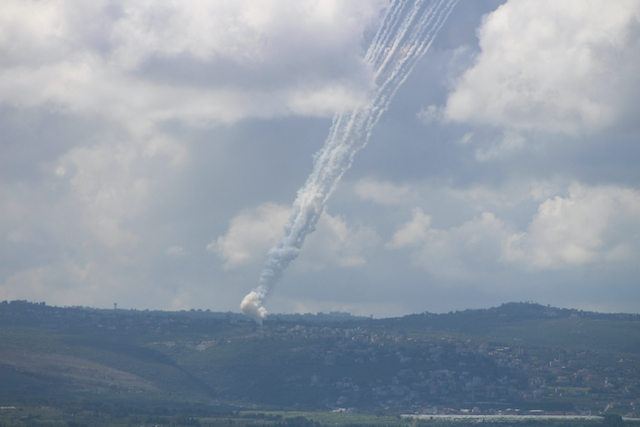
According to reports, the deadly strikes in Iraq resulted in fatalities and have been linked to the broader confrontation involving the US and Iran. Although the full sequence of events may still be emerging, the immediate effect has been to increase fears that Iraq may once again become a battleground for external rivalry.
Military strikes in such a tense environment are rarely viewed in isolation. Instead, they are often interpreted as signals, retaliation or strategic pressure, especially when powerful states or their allies are believed to be involved. That is part of why the deadly strikes in Iraq have drawn such close international attention.
Casualties and Damage Raise Alarm
The human cost of the deadly strikes in Iraq is central to the growing concern. Any loss of life in a conflict zone is serious, but incidents that appear tied to broader geopolitical rivalry often create additional anxiety because they can lead to further escalation rather than immediate restraint.
Beyond the direct casualties, strikes of this kind can damage infrastructure, unsettle local communities and create new fear among civilians already living with instability. For Iraq, where many people have endured years of conflict, fresh violence can reopen old wounds and deepen uncertainty about the future.
Reaction and Rising Regional Tension
The deadly strikes in Iraq are likely to provoke strong reactions across the region. Governments, analysts and international bodies will be watching closely to see whether either side responds publicly, militarily or diplomatically in the coming hours and days.
Because both the US and Iran have longstanding strategic interests in Iraq, any attack linked to their rivalry carries heightened significance. It raises the risk not only of retaliation, but also of miscalculation that could pull more actors into the crisis.
Authorities Response and Wider Implications
As the situation develops, the deadly strikes in Iraq may trigger diplomatic pressure, renewed security warnings and calls for restraint from global actors. Iraq’s own authorities may also face the challenge of responding to violence within their territory while trying to avoid being further drawn into a confrontation between stronger external forces.
For more on international peace and conflict response, readers can visit the United Nations.
Conclusion
The deadly strikes in Iraq have once again highlighted how fragile the region remains when larger geopolitical tensions play out on Iraqi soil. As more details emerge, the world will be watching whether this latest violence becomes another contained episode or the beginning of a more dangerous escalation.