





















The Federal Government has declared Monday, 29th June to Friday, 3rd July, 2026, as National Learning Assessment (NLA) Week as Nigeria prepares to conduct its first-ever nationwide learning assessment.
The exercise will cover sampled schools across all 36 states and the Federal Capital Territory (FCT). It is designed to generate reliable data on learners’ achievement levels and provide evidence-based insights to support educational planning, policy reforms, and improved learning outcomes.
According to a statement from the Federal Ministry of Education, the assessment is strictly diagnostic and will not be used for promotion, placement, or certification of students.
The assessment will target learners in Primary 3, Primary 5, Junior Secondary School 2 (JS2), and Senior Secondary School 2 (SS2). The subjects to be assessed include English Language, Mathematics, Basic Science and Technology, and Citizenship and Heritage Studies.
Preparations for the exercise began in 2025 through close collaboration between the Federal Ministry of Education and the Universal Basic Education Commission (UBEC), with technical support from UNICEF and the World Bank. Assessment instruments have already been developed, pilot-tested, and relevant personnel trained.
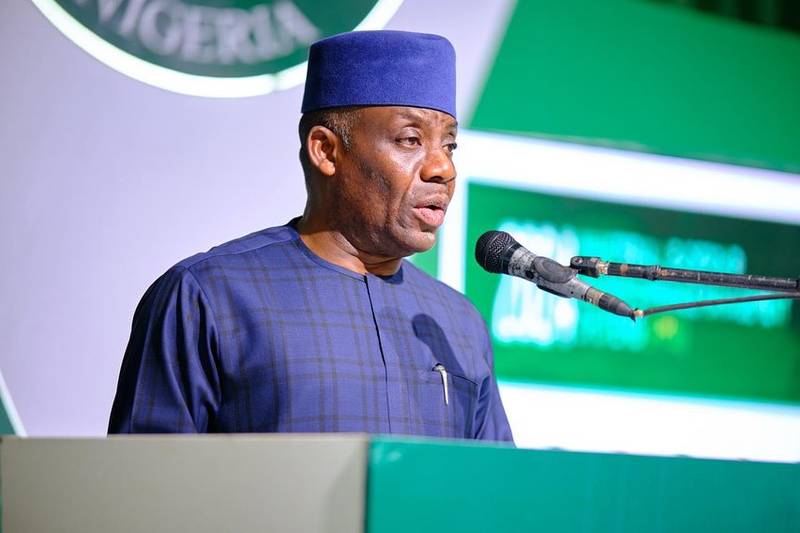
The Honourable Minister of Education, Dr. Maruf Tunji Alausa, described the upcoming assessment as a critical milestone in Nigeria’s education sector.
“This assessment represents a major step toward strengthening accountability and improving learning outcomes through evidence-based decision-making.”
The Minister emphasized that the data gathered will help the government identify learning gaps, allocate resources more effectively, and implement targeted interventions to raise the quality of education nationwide.
Education stakeholders have welcomed the initiative, noting that Nigeria has long lacked comprehensive, up-to-date national data on learning outcomes. The National Learning Assessment is expected to provide a clear picture of the current state of basic and secondary education across the country.
This exercise is part of broader efforts by the Federal Government to reposition the education sector and address challenges such as poor learning outcomes, high dropout rates, and inadequate infrastructure.
As the assessment week approaches, the Ministry has assured parents, teachers, and school administrators that the exercise will be conducted smoothly and with minimal disruption to normal academic activities.
The Federal Ministry of Education has called on all relevant stakeholders, including state governments, school proprietors, teachers, and parents, to give full support and cooperation for the successful conduct of the assessment.
This maiden National Learning Assessment is seen as a foundational step toward building a more responsive and data-driven education system in Nigeria.