
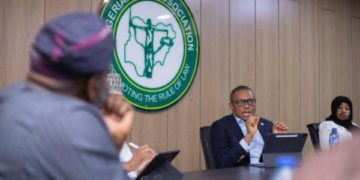
















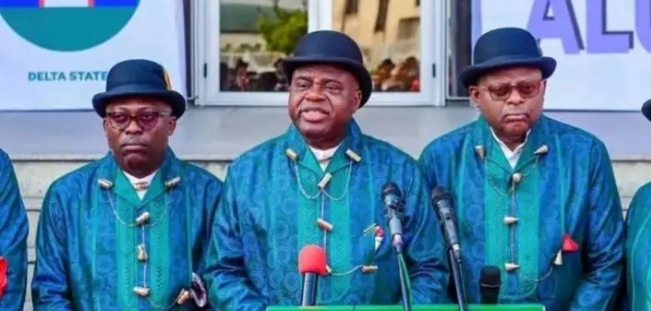
The 36 state governors, under the Nigeria Governors’ Forum (NGF), have rejected allegations that state governments failed to account for funds saved from the removal of the petrol subsidy.
Bayelsa State Governor, Douye Diri, dismissed the allegations as unfounded while presenting the communiqué from the NGF’s third meeting in Abuja.
Asked whether governors would accept responsibility for alleged non-accountability, Diri said: “That cannot be true. That cannot be true. But we’ll leave that debate for another day.”
The governors, however, backed the proposed National Affordable CNG Transit Programme (NACTP), saying it could reduce transportation costs and ease the pressure of rising living expenses.
The programme seeks to promote vehicle conversion to Compressed Natural Gas (CNG), deploy CNG-powered fleets and expand the infrastructure needed to lower transport fares.
Diri said the governors were ready to collaborate with the private sector to increase the number of CNG vehicles across the country.
He noted that gas was cheaper than petrol and could therefore help reduce transportation costs.
According to the NGF, cheaper transportation could also lower the prices of food and other essential commodities, since transport costs significantly affect the movement of goods.
The governors said the CNG initiative could reduce pressure on household expenses but noted that its financing and implementation framework required further consideration.
Diri said the governors and programme proponents would work out the details, including the implementation timeline.
The governors also discussed state participation in CANEX Weekend 2026 and the Intra-African Trade Fair (IATF) 2027, both scheduled to take place in Lagos.
The platforms are expected to help states promote investment opportunities, local exports, tourism and small businesses.
The NGF consequently pledged its support to the Minister of Industry, Trade and Investment, Jumoke Oduwole, for the initiatives.
The governors said targeted interventions in transportation remained crucial to cushioning the impact of petrol subsidy removal and ensuring that government measures translate into tangible relief for Nigerians.



Comments 1