


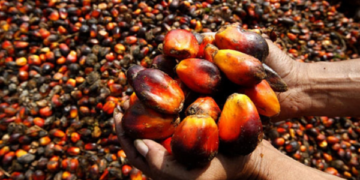





















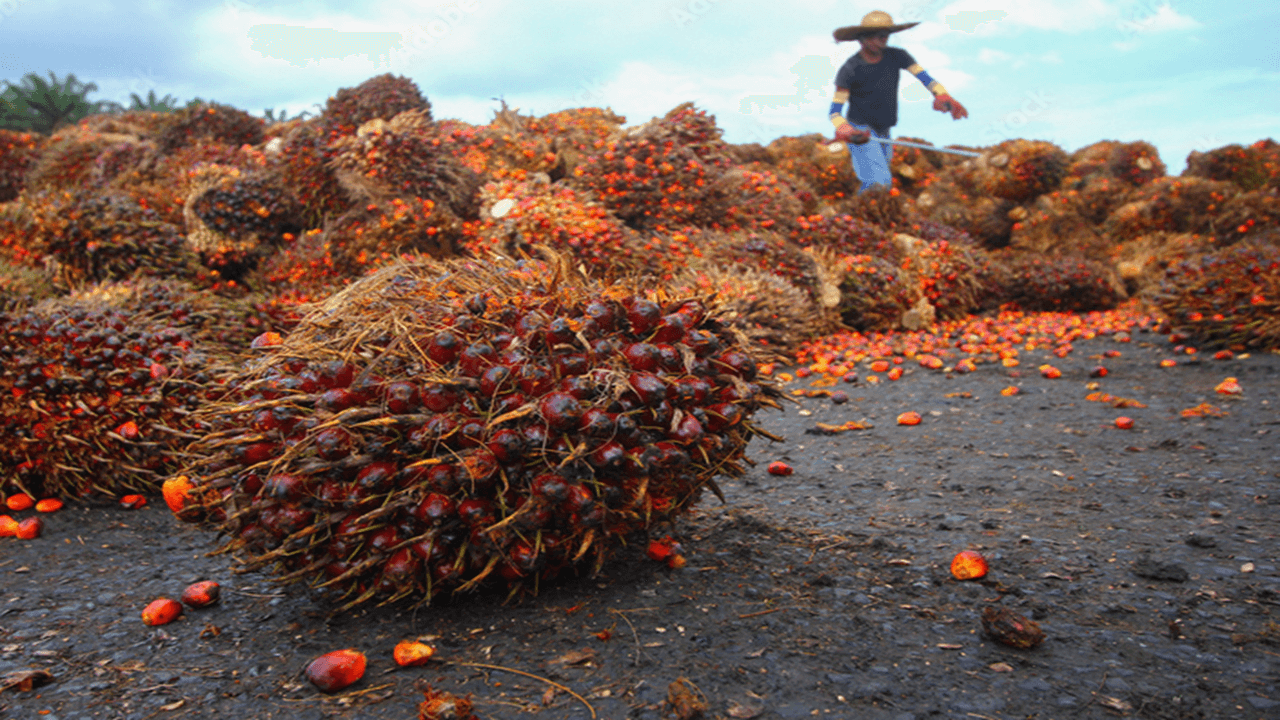
Nigeria has spent a staggering ₦23 billion importing crude palm oil from fellow West African countries in just the first three months of 2026, according to data from the National Bureau of Statistics.
This revelation has sparked widespread concern over the country’s agricultural productivity and economic diversification efforts, as palm oil remains a staple in Nigerian households and industries.
Once the world’s leading producer and exporter of palm oil, Nigeria supplied a significant portion of global and African demand in the early 20th century. The crop, native to West Africa, thrived in the southern regions, supporting local livelihoods and contributing to the economy before the dominance of crude oil shifted priorities.
Today, the situation is markedly different. Nigeria produces approximately 1.4 million tons of palm oil annually but consumes around 2.5 million tons, creating a persistent supply gap filled through imports. In Q1 2026 alone, the country accounted for about 30% of regional imports, sourcing mainly from Liberia, Ghana, and Côte d’Ivoire via formal and informal channels.
Key factors contributing to the shortfall include ageing plantations and low yields, with many oil palm trees being old and smallholder farmers—who dominate production—using traditional methods that limit output. Insecurity and land use changes such as banditry and farmer displacements in key producing areas, alongside conversion of palm groves for construction, have reduced available farmland. Inadequate investment and infrastructure, including limited access to improved seedlings, modern processing mills, and financing, further hamper scalability. Porous borders and cheaper imports also allow lower-cost crude palm oil to enter the market, undercutting local producers.
“Nigeria once led the world in palm oil production before petroleum took over. ₦23 billion in three months to import what we used to export is an obituary for a sector that should have been kept alive,” one social media commentator noted, echoing broader public sentiment.
The heavy reliance on imports drains foreign exchange reserves and undermines potential job creation in rural areas. Palm oil is vital for cooking, soap manufacturing, cosmetics, and food processing industries like noodles. Demand continues to rise with population growth, but domestic supply lags.
Experts estimate that bridging the gap could save hundreds of millions of dollars annually and generate significant employment. Previous government initiatives, such as the Oil Palm Development Initiative and recent roadmaps targeting global market share, aim to expand plantations and boost processing capacity. However, implementation challenges persist.
Large players like Okomu Oil Palm Plc and Presco Plc continue operations, with ongoing talks for new projects, such as a potential $200 million venture in Abia State. Yet, smallholders, who produce the bulk of output, require more support.
“Investing in the domestic palm oil sector could save Nigeria up to $600 million annually,” industry stakeholders have previously asserted.
The Federal Government has unveiled strategies to reposition the palm oil industry, including ambitions for a 10% global market share and millions of jobs. Plans involve expanding cultivated areas, improving yields through better varieties, and enhancing value chain coordination.
Calls are growing for stronger policies on replanting ageing trees, security in farming communities, access to credit, and modern milling technology. Public discourse highlights the irony of importing a product with deep roots in Nigerian agriculture.
As Nigeria grapples with economic pressures, reviving the palm oil sector offers a tangible path to food security, export earnings, and rural development. Success will depend on coordinated efforts between government, private investors, and smallholder farmers to address structural bottlenecks.
While challenges like climate impacts and global competition remain, the country’s vast suitable land and historical expertise provide a strong foundation. With sustained investment and policy focus, Nigeria could reclaim a leading position in palm oil production, reducing import dependency and fostering sustainable growth.
In conclusion, the ₦23 billion import bill serves as a wake-up call. By prioritising agriculture alongside oil, Nigeria can harness palm oil as a driver of diversified prosperity for future generations. Stakeholders must act decisively to turn potential into reality.