



















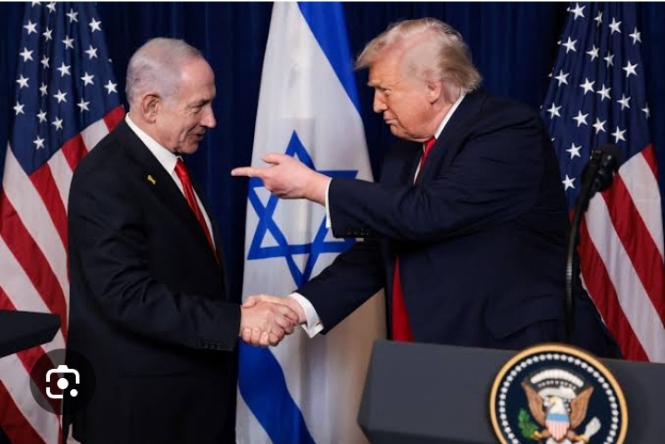
Israeli Prime Minister Benjamin Netanyahu is set to meet U.S. President Donald Trump at the White House on Tuesday in their first face-to-face meeting since tensions involving Iran escalated.
The leaders are expected to focus on regional security, Iran’s nuclear programme, and efforts to restore stability across the Middle East.
The meeting comes at a crucial time after months of rising tensions in the region. Netanyahu said Iran would be the main issue on the agenda.
He noted that the talks would focus on protecting Israel’s security while exploring ways to expand peace initiatives with regional partners.
Officials said Trump and Netanyahu will also discuss the security situation in Gaza and southern Lebanon. Broader diplomatic efforts aimed at preventing further conflict are also expected to feature.
The discussions could influence Washington’s next policy decisions in the Middle East and shape future cooperation between the United States and Israel.
The meeting is also viewed as an opportunity to improve relations between the two leaders. Although the U.S. and Israel remain close allies, reports indicate Trump and Netanyahu have differed in recent months over the handling of the Iran crisis and diplomatic engagement.
This will be Netanyahu’s eighth meeting with Trump since the U.S. president returned to office, but the first since the Iran conflict intensified.
Before leaving for Washington, Netanyahu said the talks would focus on safeguarding Israel’s security while advancing a broader framework for regional peace.
World leaders and foreign policy analysts are closely watching the meeting, saying its outcome could affect U.S.-Iran relations, Israel’s security strategy, and diplomatic efforts across the Middle East.
The expansion of the Abraham Accords, post-conflict arrangements in Gaza and Lebanon, and Iran’s nuclear programme are also expected to be key topics.
Both leaders are also facing political pressure at home. Netanyahu is navigating a difficult political climate ahead of Israel’s elections, while Trump is under increasing pressure to prevent a wider regional conflict and pursue diplomatic solutions.