























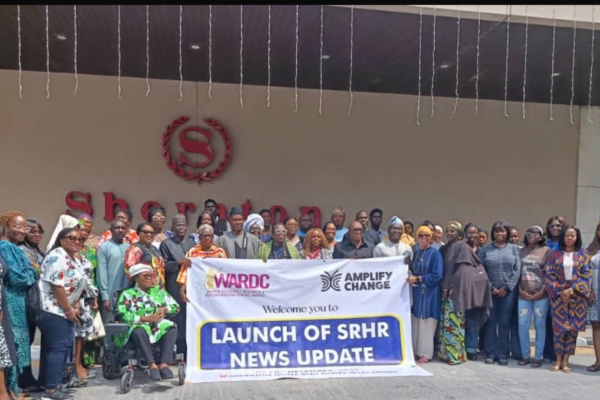
The Women Advocate Research and Documentation Centre (WARDC) has called for urgent reforms to Nigeria’s abortion laws, saying the current legal framework must be reviewed to address unsafe abortion and preventable maternal deaths.
The organisation made the call on Monday in a statement marking the 2026 International Safe Abortion Day, themed, “Solidarity in Action: Advance Reproductive Justice and Urgently Strengthen Health Systems for Comprehensive Abortion Care.”
WARDC said Nigeria cannot effectively reduce its high maternal mortality rate while unsafe abortion remains a preventable cause of death and serious health complications among women and girls.
It cited an estimated maternal mortality rate of about 1,000 deaths per 100,000 live births in 2023, while noting that unsafe abortion is among the contributing causes of maternal deaths.
The organisation also referenced a nationally representative study which estimated that 1.25 million abortions occurred in Nigeria in 2012. About 212,000 women reportedly received treatment for complications linked to unsafe abortion, while an estimated 285,000 experienced serious complications without receiving the necessary treatment.
WARDC Executive Chairperson, Abiola Akiyode-Afolabi, an Associate Professor of Public Law, said Nigeria needed to move beyond an approach centred primarily on s and develop a clearer, rights-based and medically regulated framework for abortion care.
She said reforms should clearly define circumstances in which abortion is lawful, protect confidentiality and informed consent, regulate qualified healthcare providers and facilities, and strengthen referral systems.
WARDC also called for improved access to quality post-abortion care and stronger measures to protect women and girls from unsafe practices, coercion and discrimination.
The organisation expressed particular concern about adolescents, who it said face heightened risks associated with unintended pregnancies and unsafe abortion.
Citing UNICEF data, WARDC said Nigeria’s adolescent birth rate stood at 75 births per 1,000 girls aged 15 to 19, with adolescent pregnancy significantly more prevalent in rural communities where reproductive healthcare may be less accessible.
It said girls who become pregnant through rape or incest require protection, healthcare and dignity rather than additional trauma, stigma or exposure to unsafe abortion practices.
WARDC stressed that addressing unsafe abortion would require more than legal reform, calling for stronger healthcare systems, accurate public information and improved access to reproductive health services.
The organisation urged the Federal Government, National Assembly, state governments and other stakeholders to prioritise reforms to Nigeria’s abortion laws while increasing investment in healthcare.
It also called for accurate and accessible reproductive health information to enable women and girls to make informed healthcare decisions.
“No woman should lose her life because she could not access safe healthcare. No child should be pushed deeper into trauma because of a pregnancy resulting from rape,” WARDC said.
The organisation maintained that reducing maternal mortality would require Nigeria to address the health risks associated with unsafe abortion through legal clarity, stronger health systems and improved protection for women and girls.