























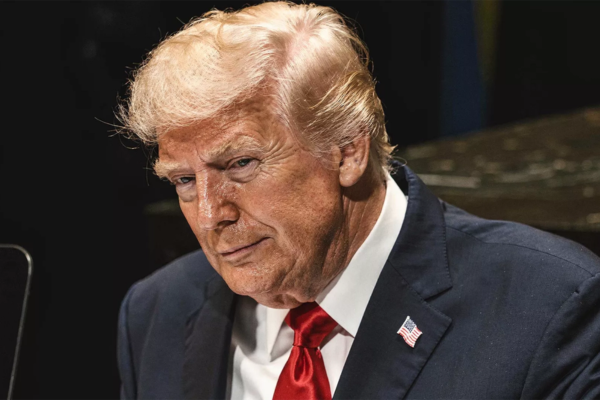
Oil prices surged above $107 a barrel on Monday after US President Donald Trump rejected an Iranian proposal linked to reopening the strategic Strait of Hormuz.
Brent crude rose more than three per cent, reaching about $107.16 a barrel, while West Texas Intermediate also gained in early trading.
The latest increase reversed some of last week’s decline, when Iran’s proposal had raised hopes of reduced disruption to global oil supplies.
Iran had offered to reopen the Strait of Hormuz and resume negotiations within seven days if the United States lifted its naval blockade, eased sanctions on Iranian oil exports and observed a ceasefire.
Trump rejected the proposal but indicated that negotiations could still resume.
“I reject their proposal,” Trump told reporters, while saying Iran wanted a deal but had offered terms he was unwilling to accept.
The Strait of Hormuz is one of the world’s most important routes for oil and gas shipments. Any prolonged disruption could therefore put additional pressure on global energy supplies and prices.
The renewed uncertainty also affected financial markets, with several Asian stock markets falling and bond yields moving higher.
Investors are now watching developments in the Middle East alongside upcoming US inflation and employment data, which could influence the Federal Reserve’s interest-rate decisions.
Higher oil prices could add to inflation by increasing transportation, production and consumer costs.
Despite the rejection of Iran’s proposal, the possibility of renewed diplomatic talks remains open. Reports indicate that indirect negotiations could resume through mediators.
Iran, however, continues to insist that certain conditions must be met before the Strait of Hormuz can be reopened.
Markets are therefore closely monitoring both the diplomatic situation and the potential impact of prolonged disruptions on global oil supplies, inflation and economic growth