



















Nigeria’s confirmed Ebola patient is reportedly a Ugandan-born woman married to a Swiss diplomat and residing in Abuja, according to reports citing Africa Centres for Disease Control and Prevention (Africa CDC) Director-General Jean Kaseya.
The woman reportedly travelled to Uganda before returning to Nigeria on October 3, 2026. She developed symptoms several days after her return.
Reports indicate that she initially sought treatment at a private hospital after suspecting she had malaria.
Health authorities are investigating her travel history and tracing people who may have been exposed to the virus. At least 44 contacts were reportedly being monitored.
Officials are working to determine the source of the infection and establish whether the case is connected to Ebola infections reported elsewhere.
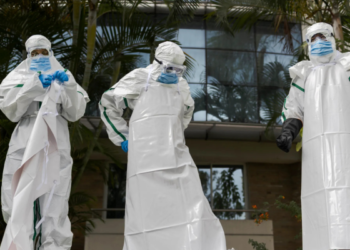
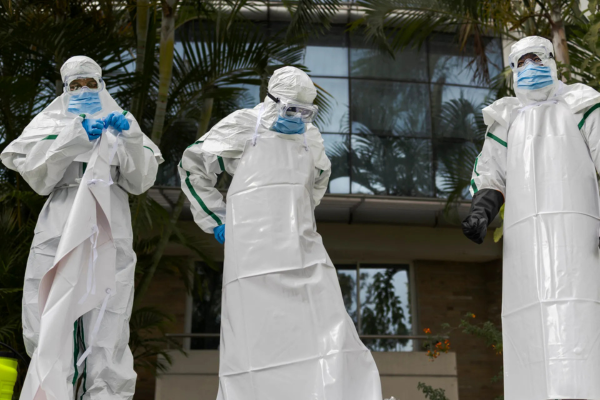
Ebola is a severe viral disease that can cause serious illness and death. It spreads primarily through direct contact with the blood or bodily fluids of an infected person who has developed symptoms, or contaminated materials.
Public-health experts stress that early detection, appropriate isolation, infection-prevention measures and contact tracing are essential to preventing further transmission.
Health authorities are expected to coordinate efforts involving hospitals, laboratories and disease-surveillance agencies to identify potential exposures and contain the infection.
However, the confirmation of a single case does not automatically mean widespread transmission is occurring in Nigeria. The risk will depend on contact-tracing results and whether additional infections emerge.
Members of the public are advised to follow official guidance from the Nigeria Centre for Disease Control and Prevention (NCDC) and Africa CDC, avoid spreading unverified information and seek medical attention if they suspect exposure.